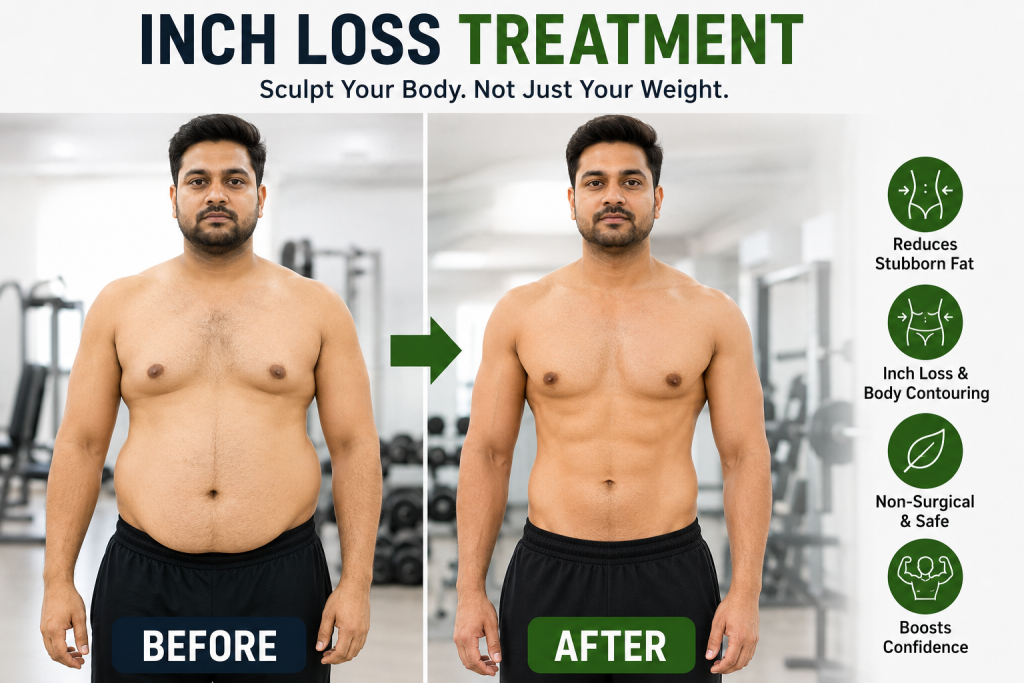
Inch loss treatment refers to methods for reducing body measurements (inches) in specific areas (waist, thighs, arms, etc.) to improve shape, as opposed to overall weight loss. In this complete guide, we’ll explain what Inch Loss Treatment is, how it differs from conventional weight loss, and explore both natural strategies and medical procedures to slim down body inches safely and effectively. You’ll discover key benefits, popular non-surgical treatments, proven diet and exercise tips, and expert advice. By the end, you’ll understand how to lose inches (not just pounds) and improve your body contour.
What Is Inch Loss Treatment? (Inch Loss vs. Weight Loss)
Woman measuring her waist with a tape measure (illustrating tracking of inch loss).
Unlike general weight loss (which lowers total body mass), inch loss treatment focuses on shrinking the girth of specific body parts. For example, you might slim your waist by reducing belly fat, or tone your arms by targeting arm fat. Inch loss is a sign of improved body composition and fat reduction even if scale weight doesn’t change much. In fact, adding muscle or retaining water can mask fat loss on the scale. As one expert notes, “Growing muscle underneath layers of fat will help cut down on inches but not necessarily weight.
In practical terms, inch loss is measured by body circumference (using a tape measure), whereas weight loss is measured on the scale. It’s common for people to see dress sizes drop or clothing fit better (inches lost) before seeing big changes in pounds. Medical resources emphasize that body-contouring methods are not traditional weight-loss procedures.
A Cleveland Clinic review confirms this by showing that fat-freezing (cryolipolysis) is designed to reduce localized fat deposits – and while it reduces fat by 15–28% on average per treatment, it does not directly make you “lose weight” like dieting does. In summary, inch loss is about targeted fat reduction and body shaping, which can improve your figure without dramatic changes on the scale.
Inch Loss Treatment Benefits
Inch loss treatments (especially non-surgical ones) offer several advantages over general weight-loss methods. The benefits include:
- Targeted Fat Reduction: You can focus on “trouble spots” like belly bulges, love handles, saddlebags, or under-chin fat that resist diet and exercise alone. These treatments eliminate fat cells in specific areas, helping sculpt the body.
- Non-Invasive & Minimal Downtime: Many inch-loss procedures (e.g. CoolSculpting, SculpSure, ultrasound, radiofrequency) require no surgery or anesthesia. They typically involve just a 30–60 minute outpatient session and patients can resume normal activities right away. For instance, cryolipolysis (fat freezing) is done with an applicator on the skin and does not require incisions.
- Permanent Fat Cell Removal: Most non-surgical treatments physically destroy fat cells. Once those cells are eliminated by the body, they do not regenerate. This means the inch loss is long-lasting as long as you maintain weight. According to experts, patients often retain results “barring significant weight gain”.
- Noticeable Results in Weeks: Unlike gradual diet changes, many treatments yield visible inch loss within 1–3 months. For example, CoolSculpting often shows results as early as 1 month and final results by 2–3 months. Patients generally see a slimmer appearance around the treated area.
- Boosted Confidence & Contouring: Reducing stubborn inches can improve body proportions, posture, and how clothes fit. Many users report higher confidence after inch loss treatments. Additionally, some procedures tighten skin or stimulate collagen, so treated areas look smoother and firmer.
- Safety Profile: Reviews note that non-invasive inch-loss methods are generally safe. For cryolipolysis, advantages include “no surgical incision… low risk” and “no damage to nerves, blood vessels, muscles, or skin” in the treatment area【19†L146-L154】. Side effects are usually mild and temporary (e.g. slight numbness, redness or swelling that resolves in days).
Overall, inch loss treatments provide a way to shape and contour the body that diet alone often can’t achieve in targeted areas. However, these benefits work best in combination with a healthy lifestyle. As explained below, combining treatments with diet and exercise maximizes results.
Non-Surgical Inch Loss Treatment Methods (Body Contouring)
There are many non-surgical body contouring options designed for inch reduction. These procedures use technologies like freezing, heating, light or ultrasound to destroy fat cells. Here are the most popular methods:
- Cryolipolysis (Fat Freezing, e.g. CoolSculpting®): This FDA-cleared procedure applies controlled cold to fat bulges. It freezes and kills the fat cells without harming skin or muscle.Typical results: 15–28% fat reduction per area at 2–4 months after treatme. Multiple sessions can be done for larger areas. Downtime is minimal; patients often massage the area briefly after treatment. Common target areas: belly, flanks, thighs, arms, chin, “bra rolls,” and under buttocks.
- Ultrasound Fat Reduction (e.g. UltraShape, Liposonix): High-intensity focused ultrasound waves penetrate the skin to break fat cell walls. The released fat is naturally removed by the body. Treatments take about an hour, with no downtime. Users typically see gradual inch reduction over 6–12 weeks. Ultrasound is effective on the abdomen and love handles.
- Laser Lipolysis (e.g. SculpSure®): Controlled laser energy heats subcutaneous fat to destroy cells. Sessions are short (often 25 minutes per area) and relatively painless (just a warm sensation). After treatment, fat cells die off over ~6–12 weeks. Laser treatments are FDA-cleared for the abdomen and flanks, and can also be used on arms or thighs. Many patients schedule 1–3 sessions for desired results.
- Low-Level Laser Therapy (LLLT): Also called “red light therapy,” systems like the Verjú or UltraSlim use low-energy lasers on the skin. These lasers create tiny pores in fat cells, releasing stored fatty acids which the body then burns for energy. Sessions are non-invasive and painless. Users often see some inch loss immediately and continuing improvement over hours or days post-treatment. LLLT is often combined with other treatments for added effect.
- Radiofrequency (RF) & Electromagnetic (EM) Devices: Treatments like Thermage, Exilis, or radiofrequency with PEMF (pulsed electromagnetic fields) use heat and magnetic pulses to melt fat and tighten skin. The applicator is placed on the skin, heating deeper layers to stimulate collagen. Results include inch loss (from fat reduction) and firmer skin contour. No anesthesia is needed and downtime is minimal.
- Injectable Deoxycholic Acid (Kybella®): An FDA-approved injection that chemically dissolves fat cells, specifically under the chin (submental fat). Multiple small injections are given in a session, causing permanent fat cell destruction. Patients may need 2–4 treatments (spaced a month apart) to achieve neck contouring. Side effects can include swelling and numbness for a few days.
- EMS (Electromagnetic) Muscle Stimulation: Devices like Emsculpt use high-intensity electromagnetic pulses to induce muscle contractions. While primarily for building muscle, they also burn nearby fat. For example, abdominal or buttock treatments can tone muscles and reduce fat layers, resulting in slimmer waist or firmer backside with no pain or downtime. (Emsculpt can be cited as a popular “muscle sculpting” option.)
- Other Therapies: Less common treatments include cryotherapy (all-body or local cold therapy), ultrasound cavitation (non-focused ultrasound to reduce cellulite and fat), and mechanical methods like Endermologie or vacuum therapies that massage fat. These may provide temporary inch loss (often by reducing fluid/edema).
Each method has its own advantages and ideal use-cases. For example, a Cleveland Clinic review notes cryolipolysis yields permanent fat removal (once cells are killed, they’re cleared by the body) and is a low-risk outpatient option. Laser and ultrasound treatments are typically faster (fewer sessions) but may cover smaller areas per session. In practice, providers often offer combined treatments to maximize inch loss. According to the American Board of Cosmetic Surgery, combining these modalities can safely sculpt and tighten the body by heating or cooling fat cells.
Results & Expectations: Most non-surgical treatments yield gradual inch loss over several weeks. For instance, after cryolipolysis or ultrasound, patients often see initial inch reduction at 3–4 weeks, with full results by 2–3 months. Typical fat reduction per treated area is in the 15–25% range. Improvement can be permanent if weight is maintained. Keep in mind: these treatments are not instant weight loss fixes. Patients may need 2–3 sessions (spaced weeks apart) for optimal contour, and they must keep up healthy habits afterward to prevent fat from coming back in untreated areas.
Body Inch Reduction Methods (Diet, Exercise & Lifestyle)
While medical procedures can help, natural body inch reduction relies on diet, exercise, and lifestyle changes to shrink fat overall. Since “spot reduction” (losing fat only in one area) is generally a myth, you need an overall fat-loss strategy to slim your body. Key methods include:
- Balanced Calorie Deficit Diet: Losing fat (and inches) requires burning more calories than you consume. A general guideline is a 500–1000 calorie per day deficit to lose about 1–2 pounds per week. This translates to losing ~1 inch off your waist every few weeks as fat comes off. Focus on nutrient-dense foods: plenty of vegetables, fruits, lean proteins, whole grains, and healthy fats. Avoid high-sugar and highly processed foods, which add empty calories and promote belly fat. Research supports that a diet high in fiber (vegetables, fruits, legumes) and low in refined carbs helps reduce waist circumference over time. Also limit alcohol and high-sodium foods to prevent extra bloating.
- Regular Cardiovascular Exercise: Aim for at least 150–200 minutes of moderate-to-vigorous cardio per week (e.g. brisk walking, jogging, cycling). Exercise burns calories and reduces visceral fat. Studies show that consistent aerobic activity leads to measurable reductions in waist size. Even moderate exercise (30–45 min/day) can make a difference over weeks. Interval training (HIIT) may burn more belly fat in less time: alternating sprints with recovery has been found to cut abdominal fat more effectively than steady-state cardio.
- Strength Training: Building muscle helps you lose inches. Muscle tissue burns more calories at rest than fat. Incorporate 2–3 days of full-body or targeted strength workouts each week. Focus on compound movements (squats, deadlifts, push-ups) to boost metabolism. Core exercises (planks, oblique twists, Pilates) will tone the midsection muscles, improving posture and firmness. While abs exercises alone won’t melt belly fat, strengthening your core helps define your waist as you lose weight overall.
- Flexibility and Posture: Activities like yoga or stretching can improve posture and core strength. Good posture makes the waist look slimmer and engages muscles. Interestingly, one study noted yoga helped reduce waist circumference in women with abdominal obesity, likely due to both stress reduction and core engagement. Simple adjustments like standing tall and sitting upright can also reduce perceived belly pooch.
- Hydration and Water Flushing: Drinking plenty of water helps reduce bloating and water retention (which can add inches). Proper hydration supports metabolism and helps your digestive system. Aim for 8–10 glasses of water per day. Some people find drinking warm lemon water or herbal teas helps flush out excess salt and fluids. Staying hydrated also curbs overeating, since thirst is often mistaken for hunger.
- Stress Management and Sleep: High stress elevates cortisol, which can promote abdominal fat storage. Practices like meditation, deep breathing, or relaxing hobbies can balance hormones. Likewise, lack of sleep can lead to weight gain and bloating. Aim for 7–8 hours of quality sleep per night to support fat loss. Reducing stress and getting enough rest helps your body regulate weight and inch loss more effectively.
- Patience and Consistency: The keyword “fast” may tempt crash diets or extremes, but truly sustainable inch loss takes time. Experts suggest losing no more than 1.5–2 pounds per week, which translates to a gradual shrinkage of waist and hip inches. While you can boost results with strategies (like consistent meal timing or slight carb cycling), focus on long-term habits. Remember: You can’t safely lose all belly inches overnight. Instead, aim for consistent progress (e.g. 0.5–1 inch per month) through steady calorie control and exercise.
Incorporate these natural methods alongside any medical treatments for the best results. For example, you could alternate CoolSculpting sessions with regular workouts and a clean diet. Healthy habits ensure that inch loss is permanent and helps you avoid gaining inches back. As Healthline emphasizes, reducing waist size most effectively comes from overall weight management, not quick fixes
How to Lose Inches Fast (and Safely)
Many people want quick results, but remember that safe inch loss follows certain principles:
- Set Realistic Goals: Fast doesn’t mean immediate. A healthy pace (1–2 lbs per week) often leads to a few extra inches gone each month. Losing more than that usually means water weight or muscle loss, which isn’t durable.
- Combine Diet with High-Effort Workouts: If you want to accelerate results, add intense intervals. High-Intensity Interval Training (HIIT) has been shown to trim belly fat better than steady cardio. Just 20–30 minutes of alternating sprint/walk cycles can torch calories and inches. Be careful to recover fully to avoid injury.
- Stay Hydrated & Eat Whole Foods: Cut out sugary beverages and sodas, and focus on whole foods (vegetables, lean protein, whole grains). Fiber-rich foods (like oats, berries, beans) help you feel full longer and reduce calorie intake.
- Avoid Quick Fixes: Diet pills, waist trainers, or extreme cleanses may give temporary inch loss (often from water/bloating). These are not long-term solutions and can even be risky. Stick to methods backed by science and health guidelines.
- Use Supplements Wisely: Some natural supplements (green tea extract, caffeine) can modestly boost metabolism, but they’re not magic. If you choose to use supplements, pick reputable brands and use them along with diet/exercise, not instead of them.
- Monitor Progress Properly: Instead of obsessing over the scale, track your body measurements once a week. Use a flexible tape measure around your waist, hips, and thighs. You might notice a 1–2 inch drop before any weight moves. Celebrate circumference losses as wins – this motivates you to keep going.
- Stay Consistent: Fast inch loss comes from consistent effort. Even busy schedules can accommodate 15-minute home workouts or healthy meal prep. The more routine you make your diet and exercise, the faster you’ll see actual fat inches disappearing.
By following these tips, you can maximize inch loss in a healthful way. Remember, rushing too much can cause burnout or injury. A steady approach wins the race in the long term.
FAQs (Featured Snippets)
Q: What is Inch Loss Treatment?
A: Inch loss treatment is any method (often non-surgical) that reduces body circumference in specific areas like the waist, thighs, or arms. It focuses on eliminating localized fat to “shrink” body measurements. This can include medical procedures (e.g. fat freezing, ultrasound) or targeted lifestyle programs. It’s different from weight loss, which lowers your overall body weight.
Q: How is Inch Loss different from Weight Loss?
A: Weight loss measures total pounds shed, whereas inch loss measures how much smaller your waist or limbs become. You can lose inches by losing fat (especially deep belly fat) and/or gaining muscle (muscle is denser than fat so you look smaller). Many people notice clothing fits better (inches lost) before the scale shows much change. In short, inch loss indicates body contouring, while weight loss indicates overall mass change.
Q: What Non-Surgical Treatments Can Help Lose Inches?
A: Popular non-invasive inch-loss treatments include: Cryolipolysis (CoolSculpting – freezes fat), Ultrasound (UltraShape – breaks fat cells), Laser (SculpSure – heats fat), RF (Thermage – radiofrequency tightens skin and reduces fat), LLLT (Verjú – low-level lasers to shrink fat cells), and Kybella injections for chin fat. These methods permanently destroy fat cells in treated areas. Many patients combine them with diet and exercise for best results.
Q: Can exercise alone reduce inches fast?
A: Exercise (especially cardio and strength training) is essential for fat loss, but you cannot spot-reduce one area. Overall weight loss from a calorie deficit will eventually shrink your waist and hips. Core exercises (planks, yoga, oblique crunches) help tone the muscles, and HIIT workouts can speed up belly fat loss. However, losing inches quickly usually requires combining a healthy diet with high-effort workouts.
Q: Are the results of inch loss treatments permanent?
A: The fat cells destroyed by treatments like fat freezing or laser are permanently removed from the body. In that sense, inch loss is lasting. However, if you gain weight later, remaining fat cells can expand, and inches can creep back. That’s why maintaining a healthy lifestyle is crucial to keep the results. In short, the procedure’s fat reduction is permanent, but your habits determine long-term outcome.
Q: How long until I see results from inch loss treatments?
A: Non-surgical treatments typically show gradual results. Many patients notice some inch reduction in 3–4 weeks, with full effects at 8–12 weeks after a session. Cryolipolysis users often see changes by 1 month and final results by 2–3 months. Laser or ultrasound may show results on a similar timeline. A treatment plan usually spans multiple sessions, so expect a few months of total treatment to see the final contour.
Q: Is Inch Loss Treatment safe?
A: Yes, when performed by qualified professionals. Non-surgical procedures have a low risk profile. For example, cryolipolysis is FDA-cleared and requires no anesthesia or incisions. Most patients only feel cooling or mild warmth and return to normal activities immediately. Common side effects are temporary redness, bruising, or numbness in the area. Serious complications are rare. Always consult a certified provider and ensure you’re a good candidate (generally healthy with localized fat pockets, not pregnant or severely obese).
Conclusion
Inch Loss Treatment offers a powerful way to sculpt your body by trimming targeted fat pockets, providing visible results that traditional dieting alone may not achieve. By understanding the difference between inch loss and weight loss, you can better set realistic goals and choose the right approach. Non-surgical options (fat freezing, laser, ultrasound, etc.) can permanently remove fat cells from stubborn areas, while natural strategies (balanced diet, regular exercise, HIIT workouts) help you lose inches consistently. Combining both gives you the best of both worlds: fast inch loss from proven technologies plus long-term health and maintenance from lifestyle changes.
Remember to be patient and focus on healthier habits as the foundation. Track your progress with a measuring tape (not just the scale), and celebrate the inches shed as milestones. Whether you opt for a non-invasive procedure or step up your gym routine, the key is a sustainable plan tailored to your needs. With the right inch loss treatment plan, you can achieve a slimmer waist, firmer contours, and greater confidence – safely and effectively.