“Nutrition doctors” typically refers to physicians (MDs or DOs) specializing in clinical nutrition, obesity medicine, endocrinology, or preventive medicine, with a focus on diet and metabolism. These clinicians diagnose and treat nutrition-related conditions, including obesity, diabetes, dyslipidemia, hypertension, and malnutrition. Unlike registered dietitians (RDs), who receive specialized education in nutrition, nutrition-focused physicians bring medical training and clinical expertise, often supported by board certification in obesity medicine or other relevant specialties.
When researching the Best Nutrition Doctors in the USA, we considered physicians with expertise in clinical nutrition, metabolic health, weight management, and disease prevention. To compile this list, we combined: (1) searches of academic and clinical faculty profiles and reputable medical institutions; (2) verification of relevant board certifications and professional qualifications, including those from the American Board of Obesity Medicine and the American Board of Internal Medicine; and (3) reviews of clinical contributions, research publications, and leadership roles.
We prioritized primary sources, including official hospital and university profiles and professional society pages, to support accuracy and help readers explore each physician’s background. This list is intended for informational purposes and is not a substitute for personalized medical advice or a recommendation that any particular physician is right for every patient.
What a Nutrition Doctor Does
A nutrition doctor assesses dietary intake, metabolism, and related health issues. They develop treatment plans using evidence-based nutrition and lifestyle interventions. For example, many obesity medicine physicians (like Dr. Kahan and Dr. Stanford below) manage weight-related diseases, often coordinating with dietitians, psychologists, and surgeons.
Others (like Drs. Willett and Sacks) focus on nutritional research and heart-healthy diet counseling. In practice, a nutrition doctor may: order nutrition labs, prescribe medical nutrition therapy, recommend diet plans, or supervise enteral/parenteral nutrition. They often have board certification in Internal Medicine, Family Medicine, Endocrinology, or Preventive Medicine plus subspecialty certification in Obesity Medicine or Clinical Nutrition. Because “nutrition doctor” is not a distinct specialty, patients should look for credentials like “Diplomate, American Board of Obesity Medicine” or “Physician Nutrition Specialist (Cert.)” when choosing a provider.
1. Caroline M. Apovian, MD –
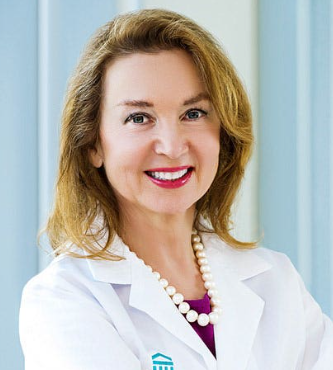
Prof. of Medicine, Harvard Medical School; Co-Director, Center for Weight Management & Wellness, Brigham and Women’s Hospital. MD from Univ. Medicine & Dentistry of NJ (1985); ABIM-certified in Internal Medicine and ABOM-certified in Obesity Medicine. Dr. Apovian has 30+ years in obesity and nutrition, with over 200 peer-reviewed articles and 10 books on weight management. She chaired Endocrine Society obesity guidelines and co-founded the American Board of Obesity Medicine. Dr. Apovian’s research explores fat tissue metabolism, diabetes remission after bariatric surgery, and health disparities. Current affiliation: Brigham and Women’s Hospital (Boston, MA).
(Profile: Harvard/Mass General Brigham).
2. Scott Kahan, MD, MPH –
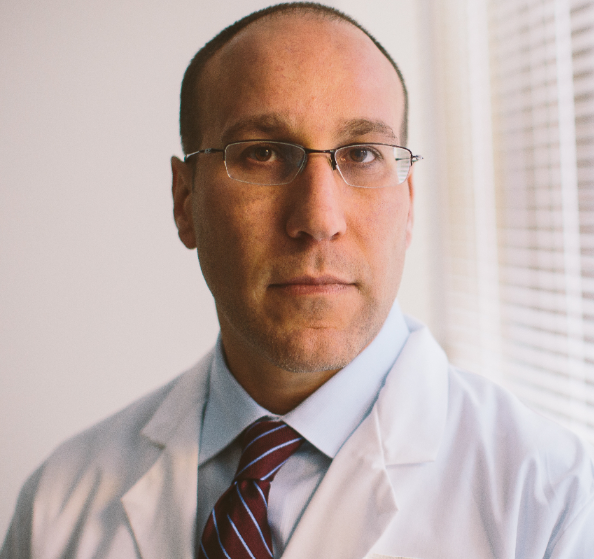
Director, National Center for Weight & Wellness (Washington, DC). MD (Medical College of Pennsylvania); MPH (Johns Hopkins). Board-certified in Preventive Medicine, Obesity Medicine, and Clinical Nutrition. Dr. Kahan is a nationally recognized obesity medicine leader, founder of weight-management clinics, and former faculty at Johns Hopkins and GWU. He co-authored clinical guidelines for diabetes and obesity (e.g. ADA Standards of Care) and advises U.S. health agencies on nutrition policy. His practice focuses on medical and lifestyle treatment of obesity. Author of 100+ research articles and textbooks on nutrition and health behavior change.
(Profile:Scott Kahan, MD, MPH )
3. Fatima Cody Stanford, MD, MPH, MPA –
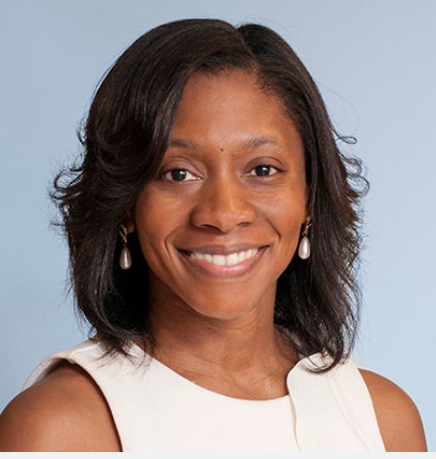
Associate Professor of Medicine, Harvard Medical School; Obesity Medicine physician-scientist at Mass General Hospital. MD from Medical College of Georgia; MPH (Emory) and MPA (Harvard Kennedy); completed Obesity Medicine & Nutrition Fellowship at MGH. Dr. Stanford is board-certified in Internal Medicine, Pediatrics, and Obesity Medicine (American Board of Obesity Medicine); she is an elected fellow of the Obesity Society (FTOS). She researches obesity disparities and advocates for equitable obesity care. Dr. Stanford has over 100 publications on obesity and pediatrics and serves on national committees (e.g. future obesity guidelines). Current roles: Pediatric Endocrinology at MGH, as well as obesity medicine clinical practice.
(Profile: Fatima Cody Stanford, MD, MPH, MPA).
4. David S. Ludwig, MD, PhD –
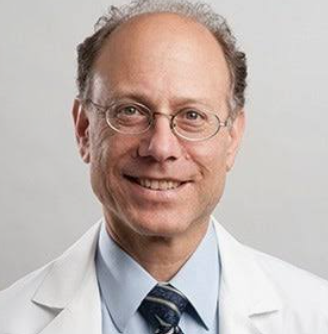
Professor of Pediatrics, Harvard Medical School, and of Nutrition, Harvard T.H. Chan School of Public Health. MD (Stanford) and PhD (Harvard), former Chief of Pediatric Endocrinology at Children’s Hospital Boston. Described as an “obesity warrior” in media, Dr. Ludwig is known for clinical trials on diet composition (e.g. low-glycemic diets) and the book Always Hungry?. He has authored 100+ peer-reviewed articles on diet, weight, and metabolism. Board certifications: Pediatrics (ABP) and he is ABOM-certified in Obesity Medicine. His research has influenced dietary guidelines for preventing obesity and diabetes. Practices at Boston Children’s and consulting in endocrinology.
(Profile:David S. Ludwig, MD, PhD)
5. Frank M. Sacks, MD –
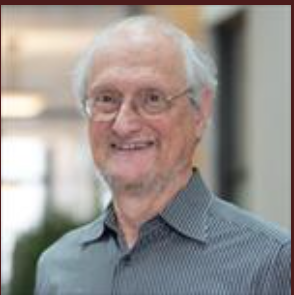
Professor Emeritus of Cardiovascular Disease Prevention and Medicine, Harvard T.H. Chan School of Public Health. MD from Harvard Medical School; Professor of Medicine at Harvard Med and attending at Brigham & Women’s Hospital. Dr. Sacks led the landmark DASH diet trials and other NIH studies on diet and heart health. His specialty is nutritional epidemiology and cardiovascular prevention. He chaired the AHA Nutrition Committee and was on the Endocrine Society’s hypertriglyceridemia panel. He has published ~308 peer-reviewed articles (through 2011). Board certification: Internal Medicine (ABIM). He directed outpatient lipid and nutrition clinics at BWH.
(Profile: Frank M. Sacks, MD)
6. Walter C. Willett, MD, DrPH –
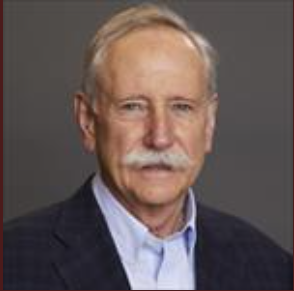
Fredrick John Stare Professor of Epidemiology & Nutrition, Harvard T.H. Chan School of Public Health. MD (Univ. of Michigan 1970) and DrPH (Harvard 1980). Willett is one of the world’s most cited nutrition researchers, known for the Nurses’ Health Study findings on diet and chronic disease. He has authored 2,000+ research papers on diet-heart disease links and nutrition policy, and wrote the widely used textbook Nutritional Epidemiology. Current appointment: Harvard Chan School (professor) and Harvard Medical School (professor of medicine). Dr. Willett is a member of the National Academy of Medicine. Board certification: Internal Medicine (ABIM).
(Profile: Walter C. Willett, MD, DrPH)
7. David L. Katz, MD, MPH –
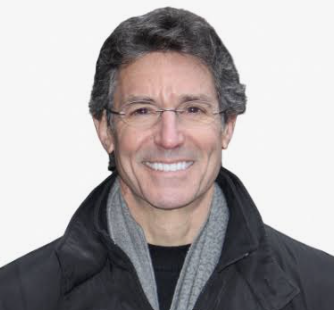
Founding Director, Yale-Griffin Prevention Research Center (Yale School of Medicine). MD, MPH (Yale); board-certified in Preventive Medicine and Lifestyle Medicine. Dr. Katz is a preventive medicine specialist and nutrition expert with 200+ publications and 15 books on diet and health. He has served as President of the American College of Lifestyle Medicine. His work emphasizes evidence-based preventive nutrition (e.g. plant-rich diets). Katz has been named among the “100 most influential people in health and fitness” and frequently advises on dietary guidelines.
(Profile: David L. Katz, MD, MPH)
8. William H. Dietz, MD, PhD –

Director of Research & Policy, Global Food Institute, and Professor (Exercise & Nutritional Sciences), George Washington University. MD (Univ. of Pennsylvania 1970) and PhD in Nutritional Biochemistry (MIT 1981). Former Director of the CDC’s Division of Nutrition, Physical Activity, and Obesity (1997–2012). Dr. Dietz is a pediatrician and obesity prevention leader, with 200+ scientific publications and textbooks on clinical obesity and nutrition. He served as a member of the 1995 Dietary Guidelines Advisory Committee. Awards include election to the National Academy of Medicine. Specialties: obesity, public health nutrition, preventive pediatrics.
(Profile:William H. Dietz, MD, PhD)
Nutrition Doctor vs Registered Dietitian
A nutrition doctor is an M.D./D.O. with medical training plus specialized nutrition/obesity focus. They can diagnose conditions (e.g. metabolic syndrome) and prescribe treatments (e.g. medications or medical nutrition therapy). A registered dietitian (RD) has specialized nutrition/dietetics degrees and clinical training but is not a medical doctor. In practice, RDs counsel on meal plans and dietary behavior, while doctors manage medical issues underlying nutrition problems. For example, a patient might see an obesity medicine physician for medication and hormone assessment, and an RD for meal planning. Both roles complement each other; however, only a physician can perform medical interventions. When searching for help, patients may see either or both professionals. Key differences: doctors treat disease (“clinical nutrition”), whereas RDs focus on diet planning and counseling.
How to Choose the Right Nutrition Doctor
- Board Certification: Prefer physicians certified in Obesity Medicine (ABOM) or Nutrition (American Board of Preventive Medicine with nutrition credential). Certification ensures specialized training.
- Specialty Training: Look for endocrinologists, gastroenterologists, or family physicians with obesity/clinical nutrition expertise (fellowships or experience in metabolic disorders).
- Affiliation: University hospitals or large clinics (Mayo Clinic, Cleveland Clinic, academic medical centers) often have multidisciplinary weight-management teams with physician-nutritionists. For example, Mayo Clinic’s Obesity Medicine Clinic and Cleveland Clinic’s Bariatric & Medical Weight Loss programs list physicians specialized in nutrition.
- Experience: Review provider bios or CVs for years in practice, roles in obesity conferences/societies, or publications in reputable journals. If available, patient reviews or ratings can offer insights, but weigh them carefully.
- Insurance/Location: Check that the doctor accepts your insurance and see if telehealth is available. Location matters; use provider directories (below) to find nearby specialists.
- Approach: Choose a doctor whose philosophy matches your needs: some focus on medications and devices (e.g. GLP-1 agonists, endoscopic procedures), others emphasize dietary/lifestyle change. A good practitioner listens to your goals and creates a personalized plan.
How to Find a Nutrition Doctor Near You
- Mayo Clinic and Cleveland Clinic: Both have physician directories. Mayo Clinic’s website lets you search by specialty (e.g. “Obesity Medicine” or “Endocrinology”) to find nutrition-related doctors in Arizona, Florida, or Minnesota campuses. Cleveland Clinic’s “MyCare Online” provider search can filter for “Weight Management” or “Metabolic and Bariatric Medicine”.
- Academy of Nutrition and Dietetics: The Academy’s “Find an Expert” tool typically lists RDNs, but also some credentialed physicians in nutrition fields (look under “Physician Nutrition Specialists” if available).
- American Board of Obesity Medicine (ABOM): ABOM’s Diplomate Directory (at abom.org) allows public search by state for ABOM-certified physicians (obesity specialists) – many of whom are nutrition-focused.
- American Society for Nutrition / Physician Nutrition Specialists: Some physicians hold the Certificate of Clinical Nutrition from the American Board of Physician Nutrition Specialists (ABPNS). Websites of nutrition societies or medical school nutrition faculties often list board-certified nutrition experts.
- Local referrals: Ask your primary care doctor or insurance plan for a referral to a “certified obesity medicine physician” or “physician nutritionist” in your area.
Internal & External Anchor Text Suggestions: “Find a nutrition doctor,” “board-certified obesity physician,” “Mayo Clinic weight management,” “dietitian vs physician,” “nutrition support clinic”.
FAQs
Q1: What credentials should a nutrition doctor have?
A: Ideally an MD/DO with board certification in a relevant specialty (e.g. Internal Medicine, Endocrinology, Pediatrics) and subspecialty certification in Obesity Medicine or Clinical Nutrition. Additional certificates (e.g. Physician Nutrition Specialist) are pluses.
Q2: Can a family doctor provide nutrition counseling?
A: Many family physicians have nutrition training and can advise on diet, but for complex issues (obesity, metabolic syndrome, severe malnutrition), a specialist (obesity medicine MD, endocrinologist, or gastroenterologist with nutrition focus) is often better equipped.
Q3: Do nutrition doctors prescribe diet plans?
A: Yes. They assess your medical condition and can prescribe medical nutrition therapy or specific diet regimens. They may also write referrals for dietitians, but often incorporate dietary advice into medical treatment.
Q4: Are nutrition doctors the same as bariatric doctors?
A: Overlapping but not identical. Bariatric physicians often focus on surgical weight-loss options, whereas nutrition doctors emphasize non-surgical treatments (diet, medication). Some physicians do both (e.g. endocrinologists managing diabetes and obesity).
Q5: How is a nutrition doctor different from a “wellness doctor”?
A: “Wellness” is a broad, often unregulated term. Nutrition doctors usually have medical specializations in metabolic health and evidence-based practice. Be cautious of “wellness” clinics without MDs or with dubious credentials; always verify medical licensure and board certification.
Conclusion
Choosing the right nutrition doctor involves verifying credentials and alignment with your health goals. The physicians profiled here represent leading experts in nutrition science and clinical care. Our methodology prioritized verified information from official sources (hospital profiles, academic listings) to ensure accuracy. Readers should use this guide and the cited profiles to find qualified nutrition doctors. Remember to consider convenience and coverage, and consult both medical and dietetic professionals for a comprehensive plan. Eating healthier is a team effort – a board-certified nutrition physician can lead the medical side of the team.