
Alkaline water is water with a pH above 7, often around 8–9, usually achieved by adding minerals or using an ionizer. Advocates claim it offers health benefits like neutralizing body acid and improving hydration. However, leading medical sources (Mayo Clinic, Harvard Health) report no clear evidence that it is superior to plain water.
Small studies hint at possible advantages (e.g. slower bone loss, slight relief of acid reflux), but more research is needed. Drinking alkaline water is generally safe for healthy people, but very high pH (above 9.8) can cause side effects (such as hyperkalemia, or high blood potassium). People with kidney disease or those on acid-blocking medications should use caution or avoid it. In Bangladesh, bottled alkaline water (like Sakura, pH ~8.8) sells for about 65 per 650 ml. Home preparation is easy using baking soda or pH drops. Key advice: stay hydrated – whether alkaline or plain water – and follow reputable sources for guidance.
What Is Alkaline Water?
“Alkaline water” simply means water with a higher pH than neutral (7.0) water. Most bottled alkaline waters have pH around 8–9. This higher pH comes from dissolved minerals (calcium, magnesium, potassium, etc.) or from electrolysis (“ionizer” machines) that separates water into alkaline and acidic streams. In theory, alkaline water can neutralize acid. Proponents claim it treats health conditions (even cancer or stroke), but medical experts say these claims lack solid proof. For context, WHO/EPA guidelines advise drinking water pH 6.5–8.5; the human body normally maintains blood pH ~7.35–7.45 through lungs and kidneys, so ordinary water already suits our needs.
When and How Much to Drink
Hydration recommendations for alkaline water generally mirror plain water guidelines. Experts suggest about 8–10 cups (64–80 oz) per day for a healthy adult, just like normal water. Start small with alkaline water and gradually increase, especially if you’re new to it. Some articles advise drinking alkaline water ~30 minutes before meals and waiting 1.5–2 hours after eating to avoid diluting stomach acid. (Similarly, avoid taking alkaline water with medications; wait at least 30–60 min after pills.) Athletes or very active people might take ~10–15% more to replace fluids. The key is total fluid intake – alkaline or not – to stay properly hydrated.
Dosage Tips: Moderate use is safe. Drinking only alkaline water is not necessary and extreme intake can cause issues (see Risks). Most experts emphasize plain water suffices for health.
Proven Benefits (and Unproven Claims)
What the Science Says: Large reviews and health sources find no convincing evidence that alkaline water offers major health benefits over regular water. Mayo Clinic notes proponents’ claims (better hydration, detox, cancer prevention) lack research. Harvard Health confirms: “no evidence to support choosing alkaline water over safe tap water”. The body regulates pH internally, so food or drinks have minimal long-term effect.
Possible Positive Effects: A few small studies suggest some benefits: for example, drinking alkaline water with calcium may slow bone loss in postmenopausal women. Another small trial implied relief from acid reflux when combined with a healthy diet. These findings are promising but preliminary. Anecdotal reports say people feel more energetic or less bloated on alkaline water, but these effects likely come from better overall hydration rather than the water’s pH. In short, stay skeptical of miracle claims. Reliable benefits (if any) appear mild and not universal.
Takeaway: The main proven benefit is hydration. Drinking enough water – whether alkaline or not – is what keeps the body functioning. Any extra “benefits” of alkaline water over tap water are unproven.
Risks & Who Should Avoid It
Generally, drinking alkaline water in normal amounts is considered safe for healthy individuals. However, excessively high pH water (above ~9.8) can cause problems. The main concern is hyperkalemia (too much potassium in blood), because highly alkaline water can leach potassium from the body. High potassium is dangerous for people with kidney disease, who cannot excrete potassium well. Drinking a lot of alkaline water can also disturb stomach acidity and electrolyte balance, potentially causing metabolic alkalosis. Symptoms might include nausea, muscle twitching, or tingling.
Who Should Be Cautious:
– Kidney Disease: Impaired kidney function makes it risky to drink highly alkaline water, as noted by Mayo Clinic and others.
– Acid-Blocking Medications: Patients on proton-pump inhibitors or antacids (for ulcers/GERD) already have reduced stomach acid. Excess alkaline water could raise stomach pH too much.
– Electrolyte Disorders: If you have conditions affecting sodium/potassium balance, consult a doctor before adding alkaline water.
– Hypertension: Baking soda (sodium bicarbonate) is often used to alkalize water at home; its sodium content can raise blood pressure if used in excess.
Even if you are healthy, it’s wise to limit consumption to moderate levels. Experts recommend not exceeding about 1–2 liters daily, and always observing how your body responds. Overhydration (even with water) can strain the heart and kidneys.
Availability in Bangladesh (Brands, Prices, and Where to Buy)
Alkaline water has arrived in the Bangladeshi market. The first local brand, Sakura Alkaline Water (pH 8.8+), is sold in supermarkets and online. Key options include:
- Bottled Alkaline Water: Sakura (650 ml) is 65. (Daraz and Chaldal also list Sakura.) For context, regular bottled mineral water (e.g. Kinley) costs about ৳20–30 per 500 ml, so alkaline brands are somewhat higher-priced. Imported brands (e.g. Evian 1.5 L) cost much more (~750) and are also alkaline but not marketed as such.
- pH Booster Drops: Liquid drops (for home use) cost around ৳2,000–3,000 for a small bottle (50–100 ml). For example, Piping Rock’s 59 ml dropper is ~৳2,790. These are sold online (Daraz, Ubuy) and some pharmacies.
- Alkaline Filter Cartridges: Filter replacement cartridges with alkalizing minerals (for RO pitchers or jugs) are available. Brands like Puretouch or Fluxtek sell such filters for ৳600–750. They fit standard water purifiers or pitchers.
- Water Ionizer Machines: High-end ionizing purifiers (with multiple plates) can raise water pH on demand. A typical ionizer machine costs ৳30,000–65,000 in Bangladesh (e.g. a 7-plate unit is listed at ~৳65,000). These are sold by water purifying companies and specialty stores.
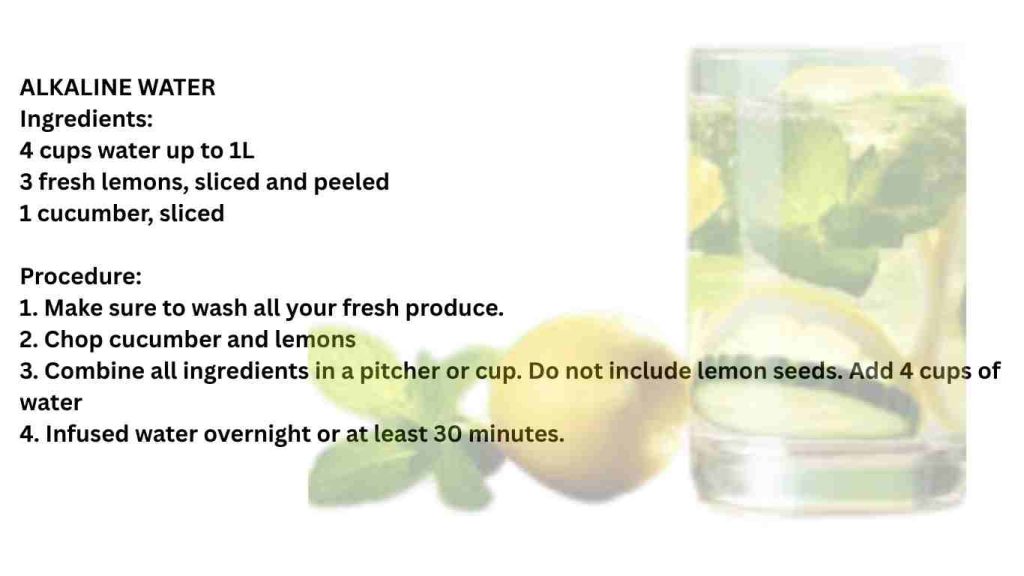
Making Alkaline Water at Home
There are safe DIY methods to raise water’s pH:
- Baking Soda: Dissolve about 1/8–1/4 teaspoon of baking soda per liter of clean water. Stir well until fully dissolved. (This produces water ~pH 8–9.) Note: baking soda is sodium bicarbonate; consult a doctor if you need a low-sodium diet.
- Alkaline Drops/Powder: Commercial alkaline/mineral drops or powder can be added per package directions (e.g. a few drops per glass). These contain minerals (calcium, magnesium) that raise pH.
- Filter Jug with Alkaline Mineral Stones: Some water pitchers contain ceramic “alkaline balls” or stones. Fill with tap water, wait (often 4–6 hours), and the minerals leach to raise pH. Follow product instructions if using such a pitcher.
After adding baking soda or drops, cover and let the water sit briefly (e.g. 15–30 minutes) to ensure reaction. Then it’s ready to drink.
flowchart TD
A[Use purified/filterd water] –> B[Add 1/8 tsp baking soda per liter]
B –> C[Stir thoroughly to dissolve]
C –> D[Cover and wait ~30 minutes]
D –> E[Drink immediately or store safely]
Alternatively, you could skip baking soda and use mineral drops instead (step B would be “Add alkaline drops/pH booster as directed”).
Storage & Safety Precautions
For storage, use non-reactive containers: glass bottles or stainless steel. Glass is ideal because it won’t leach chemicals and better preserves pH. If you use plastic, choose BPA-free and fill to the brim (minimizing air gap). Keep stored alkaline water in a cool, dark place away from heat or sunlight, and always keep it sealed to avoid CO₂ dissolving in it (which would lower the pH). When freshly made and unopened, alkaline water can hold its pH for days; once opened, try to consume within a day or two for best quality.
Precautions: Ensure the source water is clean (use purified or boiled water before alkalizing). Don’t use cookware or containers made of reactive metals (aluminum, copper) for storage. Label homemade alkaline water with the date prepared. Avoid heating alkaline water in open pots as it may lose pH. In summary: keep it clean, sealed, cool.
Common Myths vs. Scientific Facts
- Myth: “Alkaline water prevents cancer or serious diseases.” There is no strong scientific proof of this. The body’s pH is tightly regulated; drinking alkaline water does not “detoxify” cells.
- Myth: “Alkaline water supercharges hydration.” All water rehydrates the body. Any perceived “extra” effect is usually simply due to drinking more water overall.
- Myth: “It permanently raises body pH.” False. Even if you briefly raise stomach pH, the effect is temporary. Kidneys and lungs quickly restore blood pH balance.
- Myth: “Higher pH means better health.” Not necessarily. Human blood pH is ~7.4; water pH above 9 can be harmful.
- Myth: “Alkaline water has special small molecules.” The idea of “micro-clusters” is unproven and likely pseudoscience. Real benefit comes from normal hydration.
Being informed by evidence means relying on reputable sources. As Mayo Clinic and Harvard note, any real benefit of alkaline water beyond usual hydration is unconfirmed.
FAQ (Frequently Asked Questions)
Q1: What exactly is alkaline water?
A: Alkaline water is simply water with a pH above 7 (neutral). Commercially, this usually means pH 8–9. This can be achieved by adding minerals like calcium or magnesium or by electrolysis in an ionizer. It’s still mostly H₂O, just with added alkaline minerals.
Q2: Are there proven health benefits?
A: Currently, no. Leading health authorities say no significant evidence shows alkaline water is healthier than plain water. Any health improvements people report are likely due to better overall hydration. Small studies hint it might slow bone loss or ease acid reflux temporarily, but more research is needed to confirm these effects.
Q3: How much alkaline water should I drink?
A: Aim for about 8–10 cups per day, the same as general water guidelines. If you start with it, sip gradually and stay within ~1–2 liters total. Listen to your body; excess (much above recommended fluids) can lead to stomach upset or electrolyte issues.
Q4: Who should avoid alkaline water?
A: People with kidney problems, or those on certain medications (like acid blockers), should be cautious. High-pH water can raise potassium and blood pH, posing risks for kidney patients. If you have chronic health issues, consult a doctor. Healthy individuals generally tolerate it, but don’t consume excessively.
Q5: Can I make alkaline water at home?
A: Yes. The easiest way is to add a pinch (about 1/8 teaspoon) of baking soda to a glass of water and stir until dissolved. Alternatively, use commercial pH-boosting drops as directed. Always mix well, and let the water sit a bit before drinking. This yields mild alkaline water safely. (Avoid overdoing it, and discard it if it tastes off.)