Detoxing your body doesn’t require expensive cleanses or pills – you can detox your body naturally at home by adopting healthy lifestyle habits. In fact, your body has a built-in detox system (liver, kidneys, lungs, etc.) that works continuously to eliminate toxins. The best approach is to support these natural processes through balanced nutrition, hydration, and other natural detox methods. By making a few simple changes – like drinking more water, eating whole foods, and getting enough sleep – you’ll help your body cleanse itself, boost your energy, and improve overall well-being. This article outlines 7 simple and effective ways to cleanse your body naturally without extreme diets or supplements.
Quick Overview – 7 Natural Detox Methods:
- Stay Hydrated: Drink plenty of water and herbal teas to flush out toxins.
- Get Sufficient Sleep: Aim for 7–9 hours of quality sleep for optimal body cleansing.
- Eat Whole, Nutrient-Rich Foods: Focus on fruits, veggies, and “detox” foods that support your liver and gut health.
- Increase Fiber & Probiotics: High-fiber foods and fermented foods help cleanse your body naturally via better digestion.
- Limit Processed Foods & Alcohol: Reduce intake of junk food, sugar, and alcohol to lighten your toxin load.
- Exercise and Sweat: Stay active to boost circulation and perspiration for toxin elimination.
- Manage Stress: Lower stress levels to reduce oxidative stress and support natural detoxification.
Now, let’s dive into each of these easy body detox tips and see how they help your body’s cleansing processes.
1. Stay Hydrated by Drinking Plenty of Water
One of the simplest yet most effective detox methods is to drink enough water every day. Hydration is key for flushing out waste products from your system. Water helps your kidneys filter toxins from the blood and excrete them through urine. It also moistens the lungs for expelling carbon dioxide and enables sweat production to release impurities through your skin. If you’re not drinking enough, these detox pathways slow down. Sadly, many people are chronically dehydrated – research shows about 75% of Americans are dehydrated on a daily basis. This means their bodies aren’t cleansing as efficiently as they could be.
Easy hydration tips: Keep a reusable water bottle with you and sip throughout the day. Start your morning with a glass of water (you can add lemon for a refreshing home remedy for detoxification – lemon water provides vitamin C and may support liver function). In fact, nutritionists often recommend front-loading your day with lemon water and herbal teas to help “flush” the system. Herbal teas (like ginger, dandelion, or green tea) count toward hydration and add detox benefits – green tea, for example, is rich in antioxidants that assist the liver. Aim for at least 8 cups (2 liters) of fluids a day, or more if you’re active. Remember, staying hydrated keeps your urine light-colored, which is a good sign that your body is flushing out toxins effectively.
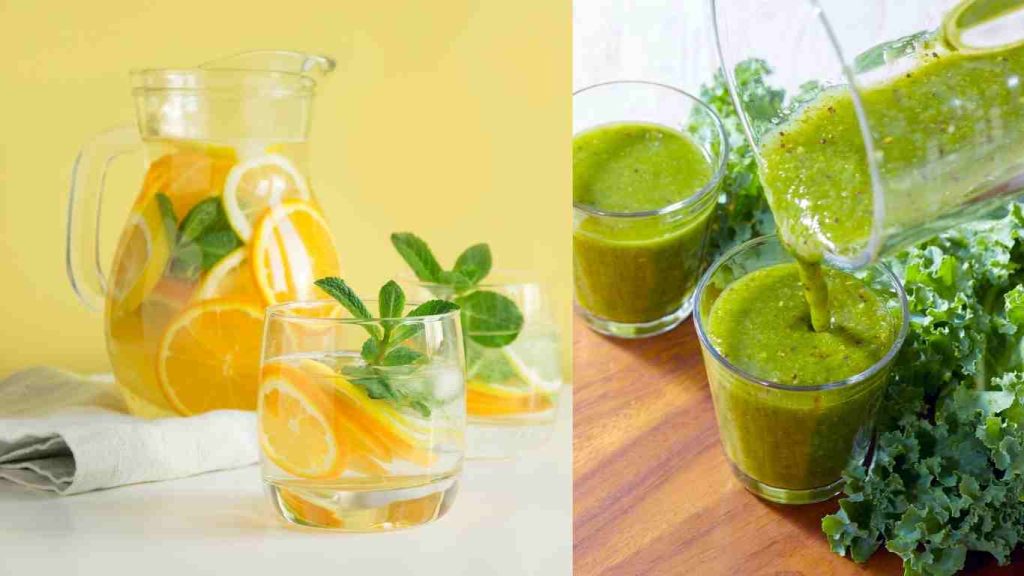
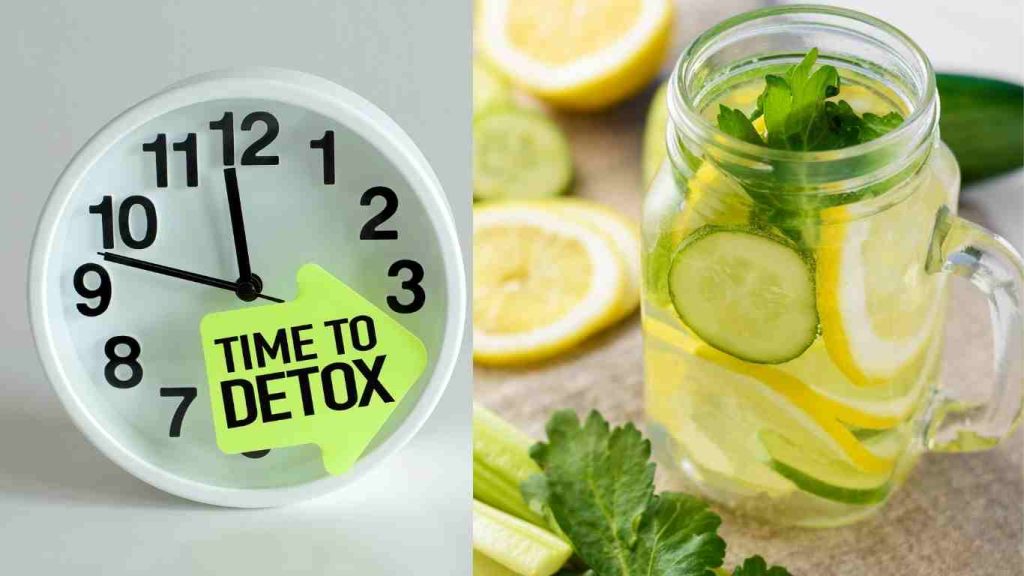
Source: Proper hydration facilitates the removal of substances like carbon dioxide and urea, whereas even mild dehydration negatively impacts the body’s ability to eliminate harmful substances through urine, sweat, and breath. So, make water your best friend. If plain water bores you, infuse it with slices of cucumber, citrus, or mint for flavor (without added sugar). Detox water infusions (like water with lemon, berries, or herbs) are a tasty way to boost your intake and support your natural detox at home.
Detox water with fresh fruits and herbs – a simple at-home remedy to stay hydrated and cleanse your body naturally.
2. Get Sufficient Sleep and Rest
Quality sleep is a real powerhouse when it comes to natural detoxification. When you sleep, your body goes into “repair and restore” mode, carrying out crucial detox tasks. For example, during deep sleep your brain’s glymphatic system actually flushes waste products (such as metabolic byproducts and toxins) from the brain. This nighttime cleaning helps clear potentially harmful substances that build up during the day. Chronic sleep deprivation, on the other hand, can impair this waste removal process – which is one reason long-term poor sleep is linked to issues like cognitive decline. Simply put, if you skimp on sleep, your body’s natural cleansing and repair processes don’t perform at full capacity.
Most adults need about 7–9 hours of good-quality sleep per night for optimal health. To improve your sleep hygiene, try establishing a regular bedtime, keeping your bedroom dark and cool, and avoiding screens or heavy meals right before bed. Good sleep not only supports brain detox but also allows your liver and other organs to catch up on detoxification tasks. If you’ve ever had a few nights of poor sleep and felt “foggy” or sluggish, it could be due to toxin buildup or inflammation that your body didn’t get a chance to fully resolve overnight. In contrast, waking up from a solid night’s sleep often leaves you feeling refreshed – that’s your body having done its cleanup job.
Key point: A good night’s rest gives your body the time to detoxify naturally. One study noted that when we’re chronically sleep-deprived, our organs can’t perform at their peak, leading to reduced self-detoxification. So prioritize sleep as part of your detox plan – it’s one of the easiest and most relaxing ways to help your body heal and cleanse.
3. Eat a Nutrient-Rich Diet with “Detox” Foods
Your diet has a profound impact on your body’s natural detox ability. Focus on whole, unprocessed foods – especially vegetables, fruits, whole grains, nuts, and lean proteins – to give your body the nutrients it needs to detoxify effectively. A balanced diet rich in fiber, vitamins, minerals, and antioxidants supports your liver and other detox organs. In fact, experts say a diet of mostly plant-based whole foods can enhance the body’s natural detox systems. These foods supply antioxidants and phytonutrients that help neutralize toxins and protect your cells from damage.
What specific detox foods for cleansing should you eat? Here are some top choices:
- Leafy greens (spinach, kale, arugula) – High in chlorophyll and antioxidants that may bind heavy metals and support liver health.
- Cruciferous vegetables (broccoli, cauliflower, Brussels sprouts, cabbage) – Rich in sulfur-containing compounds that boost production of glutathione, the body’s master antioxidant, and help remove certain heavy metals[10]. Broccoli and garlic, for example, are noted for aiding elimination of heavy metals and enhancing detox enzymes.
- Berries and citrus fruits – Loaded with vitamin C and other antioxidants. Berries (blueberries, strawberries, etc.) and citrus (lemon, oranges) protect your cells from oxidative stress and support immune function. Vitamin C also supports liver detox pathways.
- Garlic and onions – These flavorful veggies contain sulfur compounds that assist the liver in detoxifying chemicals and heavy metals. Garlic also has antimicrobial benefits for gut health.
- Green tea – A famous detox beverage, green tea is high in catechins (antioxidants) which help the liver and provide a gentle caffeine boost without dehydrating you. Some studies link green tea to improved liver enzyme levels.
- Legumes and nuts – Beans, lentils, almonds, and walnuts provide fiber, protein, and nutrients that support detox. For example, legumes are high in soluble fiber which helps bind waste in the digestive tract.
By adding more of these foods to your daily meals, you naturally enhance your body’s cleansing power. For instance, something as simple as eating a cup of berries or a serving of broccoli daily can increase your antioxidant intake significantly. Try starting your day with a fruit-and-veggie-packed smoothie (spinach, berries, a slice of ginger, etc.), and fill at least half of your lunch and dinner plates with vegetables. Not only will this help detoxify, but it also boosts overall nutrition.
It’s worth noting that most people have a lot of room for improvement in their diet: according to the CDC, only about 1 in 10 adults eat enough fruits and vegetables daily. This means the vast majority of us aren’t getting the vitamins, antioxidants, and fiber we need for optimal detox. If that’s you, start by gradually increasing your produce intake – add an extra vegetable to your dinner, swap out a processed snack for a piece of fruit, or try a meatless meal with beans and greens. Your body’s natural detox organs will thank you!
(Tip: Incorporating these foods is far more effective and safer than any “detox diet” pills. As one dietitian put it, “One food or drink will not magically detox the body” – instead, it’s the consistent, balanced intake of many nutrients that keeps your system clean.)
4. Increase Fiber and Support Your Gut
A healthy gut and regular digestion are essential for detoxification. Your digestive tract is a major elimination route – it processes the foods you eat and carries waste (including toxins and spent hormones) out of the body through bowel movements. Eating plenty of fiber is crucial to keep things moving. Fiber adds bulk to stool and helps trap toxins, preventing them from being reabsorbed in the gut. It essentially acts like a broom that sweeps your intestines clean. If you suffer from constipation or infrequent bowel movements, toxins can linger longer in your system, which is not what we want.
Aim for a high-fiber diet by including fruits, vegetables, whole grains, beans, seeds, and nuts. Most adults need around 25–35 grams of fiber per day, but many get far less. In fact, experts note that most people consume only about half of the daily fiber they need. Increasing your fiber intake can have immediate detox benefits – you might notice improved digestion, less bloating, and more regular elimination of waste.
Additionally, pay attention to your gut microbiome. The trillions of beneficial bacteria in your intestines help break down toxins, metabolize nutrients, and keep your gut lining healthy. You can support these friendly microbes by eating fermented foods (which provide probiotics) and prebiotic foods. Fermented foods like yogurt, kefir, sauerkraut, kimchi, and kombucha introduce beneficial probiotic bacteria to your gut. These microbes aid in toxin breakdown and bolster your immune system. A dietitian explains that a healthy gut and diverse microbiome support the body’s natural detox systems by assisting in toxin processing. Try having a serving of fermented food each day – for example, Greek yogurt with breakfast or a side of kimchi with dinner.
Also include prebiotic-rich foods that feed your good bacteria. Prebiotics are fibers that probiotics love to eat – think garlic, onions, leeks, asparagus, bananas, and oats. By nourishing your gut flora, you’re indirectly enhancing detoxification (since a healthy microbiome can bind and neutralize toxins in the gut).
Bottom line: Keeping your digestive tract on track is one of the most natural ways to cleanse your body. If you maintain regular, healthy bowel movements (at least once a day for most people), you prevent waste from accumulating. In combination with the nutrient-rich foods from the previous section, a fiber- and probiotic-rich diet acts as a gentle daily “cleanse” – no laxative teas or colon cleanses needed! As one expert puts it, “a healthy gut supports the body’s natural detox systems,” reinforcing how vital digestion is to the detox equation.
Motion Energy Price in Uganda (2025) Best Herbal Balm for Joint & Muscle Pain
5. Cut Out Processed Foods and Limit Alcohol
One of the best home remedies for detoxification isn’t a special drink or pill – it’s simply reducing your intake of things that introduce toxins or hinder your detox organs. Two big culprits to watch are ultra-processed foods and alcohol. Cutting back on these can dramatically lighten the toxin load on your body.
Processed and Junk Foods: Packaged snacks, fast food, sugary treats, sodas, and other highly processed items tend to be loaded with added sugars, unhealthy fats, salt, artificial additives, and preservatives. These offer little nutritional value and can actually create more work for your body. For instance, high-sugar and high-fat diets contribute to inflammation in the body. This chronic inflammation forces organs (like the liver and kidneys) to work harder to maintain balance.
Studies link long-term consumption of ultra-processed foods to increased risk of diseases that affect major detox organs, such as fatty liver disease and kidney issues. Moreover, every chemical additive or artificial dye in processed food is something your liver will have to filter out. By avoiding ultra-processed foods, you reduce the influx of synthetic chemicals and give your detox system a break. Try to replace junk foods with whole-food alternatives: for example, swap chips with nuts or fruit, soda with water or herbal tea, and pre-packaged meals with home-cooked meals using fresh ingredients.
Alcohol: Alcohol is literally a toxin (ethanol) that your liver must metabolize and eliminate. Enjoying the occasional drink is fine for most people, but excessive or regular alcohol consumption can strain and damage the liver. When you drink, your liver prioritizes breaking down alcohol, which generates toxic byproducts that can harm liver cells. Frequent drinking essentially forces the liver to work overtime, and over the years this can lead to fat buildup, inflammation, and eventually liver scarring (cirrhosis). If you’re aiming to detox, limit alcohol as much as possible – that might mean cutting out weekday drinks or reducing to 1–2 drinks per week. Your liver can then focus on its other jobs, like metabolizing fats and filtering normal waste, more efficiently.
Remember, the liver is your primary detox organ, so keeping it healthy is paramount. An overloaded liver can’t effectively “detox your body naturally”. On the flip side, a healthy liver will excel at clearing toxins. One easy step to detox your liver naturally is simply to avoid things that harm it – notably alcohol, excessive sugar, and processed foods. Research confirms that reducing alcohol intake benefits liver function and can even allow the liver to regenerate if damage isn’t too advanced. Also, opt for liver-friendly foods: for example, coffee (in moderation) has been shown to protect the liver, and green vegetables help too. So, skip the extra cocktail and have a cup of green tea or lemon water instead – your liver will thank you!
Tip: Read ingredient labels and be mindful of what you put in your grocery cart. Choose whole foods and natural ingredients whenever possible. By detoxing your body without supplements – simply through clean eating – you’ll eliminate many dietary toxins at the source. Many people report feeling more energetic and clear-headed after just a week or two of cutting out processed sugars and alcohol, which speaks to how much of a “detox” effect this lifestyle change can have.
6. Exercise and “Sweat It Out”
Physical activity is a fantastic natural detoxifier. When you get your body moving, several detox benefits kick in: your circulation improves, your lymphatic system gets pumping, and you start sweating. Sweating is one way the body removes wastes, including trace toxins and heavy metals. In fact, scientific studies have found that exercise-induced sweating can effectively eliminate certain heavy metals like lead, arsenic, and mercury from the body. While sweat isn’t the primary detox pathway (the liver and kidneys take top roles), it certainly contributes to the overall cleansing process. The simple act of breaking a sweat regularly – whether through cardio exercise, a brisk walk in the heat, or a sauna session – can help purge some unwanted substances.
Beyond sweat, exercise boosts detoxification by increasing blood flow. Improved circulation means that toxins and metabolic waste are transported more efficiently to the excretory organs (liver, kidneys, lungs) for processing. Exercise also supports better digestion and regularity (ever notice you might need the bathroom after a workout? That’s your gut getting stimulated). Additionally, physical activity can reduce fat stores; since some toxins are fat-soluble and get stored in fat tissue, losing excess fat can gradually release and eliminate those stored toxins (though do this carefully and healthily).
You don’t have to be an athlete – just aim to be consistently active. Try to get at least 150 minutes of moderate exercise per week, as recommended by health experts. This could be 30 minutes of brisk walking five days a week. Activities like jogging, cycling, swimming, dancing, or yoga are all excellent for promoting circulation and sweat. Even gentle exercise like walking or stretching helps activate your lymphatic system (which carries waste from cells to the bloodstream to be filtered). Unlike blood, which has the heart to pump it, lymph fluid relies on muscle movement to circulate; so a sedentary lifestyle can make your lymph system sluggish. Movement is the cure.
For an extra detox boost, some people use saunas or steam rooms to induce sweating. This can complement exercise (always stay hydrated and consult a doctor if you have medical conditions). The heat can increase perspiration and may help remove toxins through the skin. One systematic review concluded that “sweating deserves consideration for toxic element detoxification” in cases of heavy metal exposure. Just remember to replenish fluids and minerals lost via sweat by drinking water (and perhaps an electrolyte drink if you sweat heavily).
In summary, keep active to keep your internal detox system active. Exercise not only helps you feel better and manage weight, but it literally helps your body cleanse itself. Whether it’s a daily walk, a weekend bike ride, or a regular gym routine – find activities you enjoy and make them a habit. You’ll be flushing out toxins naturally while also gaining all the other benefits of exercise (better mood, stronger immune system, cardiovascular health, and more). Truly, a win-win for your body’s wellness!
7. Manage Stress and Support Your Mind-Body Detox
It might surprise you, but stress levels can influence how well your body detoxifies. High stress isn’t just a mental state – it causes physical changes, too. When you’re under chronic stress, your body releases stress hormones like cortisol and adrenaline. In moderation these are fine, but constant stress can lead to oxidative stress in your cells (an imbalance where more free radicals are present than your antioxidants can handle). Oxidative stress can damage cells and interfere with organ function, including the organs responsible for detoxification. A recent study in 2023 found that elevated emotional stress can majorly disrupt the body’s natural detox processes by increasing oxidative stress levels. In other words, being stressed out can hamper your body’s ability to cleanse itself.
Think of it this way: when you’re relaxed, your body can devote resources to maintenance and detox. When you’re in fight-or-flight mode all the time, your body is focused on survival, not cleanup. That’s why managing stress is an important (if often overlooked) aspect of natural detox. By calming your nervous system, you reduce inflammation and give your organs a chance to work optimally.
Here are some natural ways to cleanse your body of stress and promote mind-body detox:
- Practice mindfulness or meditation: Even 10 minutes a day of deep breathing, meditation, or prayer can lower cortisol levels and shift your body into a “rest and digest” state where detox and healing occur.
- Yoga or tai chi: These gentle exercises combine movement with breath, helping lymphatic flow (physical detox) and stress reduction simultaneously.
- Adequate sleep: We already covered sleep, but it bears repeating that good sleep dramatically reduces stress and resets your body.
- Time in nature: Taking a walk in nature can lower stress markers. Fresh air and sunlight also support detox (vitamin D from sun supports many body functions, and deep breathing of fresh air helps eliminate CO₂).
- Hobbies and relaxation techniques: Engage in activities that make you feel calm and happy – reading, gardening, listening to music, warm baths, or journaling. A warm Epsom salt bath, for instance, can relax muscles (the magnesium in Epsom salt is calming) and promote sweating gently.
By including stress-management in your detox plan, you address the mind-body connection. You might notice that when you’re less stressed, you have better digestion (less “knot in stomach” feeling), improved sleep, and more energy – all signs that your body is functioning in balance and effectively self-cleansing. In contrast, during times of high stress people often experience issues like acne breakouts, indigestion, or fatigue, which could be linked to stress-related toxin buildup or inflammatory responses.
Think of stress reduction as a way to “detox your mood” as well. Emotional toxins (like constant worry or negativity) can weigh you down. Techniques such as journaling or talking to a friend/therapist can help “cleanse” these mental toxins. A positive mindset and low stress environment encourage healthy choices, creating a virtuous cycle for detox: when you feel good, you tend to eat better, move more, and sleep well – all of which further detoxify your body.
Scientific insight: Managing stress has tangible effects on your body’s chemistry. As mentioned, chronic stress increases oxidative molecules that can impede detox pathways. So by actively relaxing, you reduce those harmful molecules, essentially allowing your body to detoxify more efficiently. Never underestimate the power of a deep breath and a moment of peace in your detox journey.
Conclusion: Embrace Natural Detox for Lasting Health
Detoxing doesn’t have to mean fasting on lemon juice or buying fancy “cleanse” kits. As we’ve seen, the most effective strategy for how to detox your body naturally is to adopt consistent healthy habits that support your body’s own detoxification system. Your liver, kidneys, digestive tract, lungs, and skin are working 24/7 to keep you healthy – all you need to do is give them the right tools and environment. By drinking plenty of water, eating a nutritious diet high in cleansing foods, staying active, and getting good sleep, you enable these organs to perform at their best. Meanwhile, cutting out processed junk and managing stress reduce the toxin burden on your body.
The best part is that these methods not only detoxify you but also make you feel genuinely better. After implementing these seven methods, many people report improvements like clearer skin, better digestion, more energy, and even a happier mood. These are signs that your body is balanced and functioning optimally. Remember, natural detox is not an overnight miracle but a lifestyle shift – it’s about making daily choices that promote cleansing and health. Over time, these small changes lead to big results, and you’ll feel the difference as your body becomes more efficient in eliminating wastes.
In summary, healthy bodies can usually detox themselves – our job is simply to support that natural process. So skip the extreme fads and focus on the fundamentals: hydrate, nourish, move, rest, and relax. By following the simple methods outlined above, you can rejuvenate your body safely and naturally.
Start today with one or two changes (perhaps drink an extra glass of water and go for a walk), and build from there. Your body will start cleansing itself more effectively, and you’ll be well on your way to a cleaner, more vibrant you. Detoxing your body naturally is truly a holistic journey – enjoy the process of taking care of yourself! And remember to listen to your body’s signals. It will tell you what it needs more or less of.
Feel free to share these tips with friends or family who are looking for easy body detox tips, and let us know your own favorite natural detox methods. Here’s to a healthier, toxin-free life!
FAQs (Frequently Asked Questions)
Q1: Do I need special supplements or cleanses to detox my body?
A: No, you do not need pills, powders, or extreme cleanses to detox. Your body has its own detox system, and in healthy individuals it works fine on its own. In fact, many “detox supplements” are unregulated and can even harm the liver. The safest and most effective way to detox is by following a healthy lifestyle: drink water, eat whole foods, exercise, and get enough sleep. These methods will detox your body without supplements by supporting your natural detoxification pathways. Experts largely advise against commercial detox products, noting that a balanced diet and proper hydration do far more good. Unless prescribed by a doctor for a specific condition, skip the fad cleanses – your money and time are better spent on healthy groceries and self-care.
Q2: How can I detox my liver naturally?
A: The liver is a vital detox organ, and the best way to “detox” it naturally is to take care of it. First, reduce or eliminate alcohol – this is one of the biggest favors you can do for your liver. Secondly, eat liver-friendly foods: green leafy veggies, cruciferous vegetables (broccoli, cabbage), garlic, and nuts all provide nutrients that support liver function. Foods high in antioxidants (like berries and citrus) and sulfur compounds (like garlic and onion) help the liver’s detox enzymes. Coffee and green tea in moderation have also been linked to better liver health. Additionally, staying hydrated and getting fiber (to carry away waste filtered by the liver into the gut) are important. Some beneficial drinks for liver detox include warm lemon water, turmeric tea, and green tea, as these can help reduce inflammation and support liver enzymes. Milk thistle is a well-known herb for liver support, but consult a healthcare provider before taking any supplement. In summary: detox your liver naturally by avoiding toxins (alcohol, junk food), and nourishing it with a healthy diet and lifestyle. Over time, the liver can repair itself – it’s quite resilient if given the chance.
Q3: What are the best foods to eat during a natural detox?
A: Focus on high-fiber, antioxidant-rich, and unprocessed foods. Some of the top “detox foods” include: – Leafy greens: Spinach, kale, Swiss chard – rich in chlorophyll and nutrients that aid detox. – Cruciferous veggies: Broccoli, cauliflower, Brussels sprouts, cabbage – contain compounds that boost liver detox enzymes. – Berries and fruits: Blueberries, strawberries, oranges, lemons – packed with antioxidants and vitamin C. – Garlic and ginger: Garlic supports liver enzymes and heavy metal removal, while ginger aids digestion and has anti-inflammatory effects. – Green tea: Provides antioxidants (like EGCG) that support liver function. – Fermented foods: Yogurt, kefir, sauerkraut, kimchi – introduce beneficial probiotics for gut health, which is crucial during detox. – Whole grains and legumes: Oats, quinoa, lentils, beans – high in fiber to keep your digestion regular and bind toxins. – Avocado, nuts, seeds: Provide healthy fats and glutathione (in avocado) that support detox; also vitamin E which is an antioxidant.
During a natural detox, you want to avoid processed foods, excessive salt, sugary snacks, and fried foods. Think “clean eating” – lots of whole plants and lean proteins. Also, include herbs and spices like turmeric (a powerful anti-inflammatory), cilantro (thought to help chelate heavy metals), and lemon (adds vitamin C and supports digestion). These foods will not only help cleanse your body but also fuel you with energy. It’s essentially a natural detox diet: if it’s fresh and nutrient-dense, it’s probably good for detox. Remember to chew your food well and eat mindfully, as good digestion enhances nutrient absorption and elimination of waste.
Q4: How often should I detox my body naturally?
A: If you’re following the healthy practices outlined here, you are detoxing every day! The body is constantly detoxifying, so think of natural detox as a daily, ongoing process rather than something you do once in a while. There’s no need for a dramatic “7-day cleanse” if you maintain detox-friendly habits consistently. However, some people like to jump-start healthy habits after periods of indulgence (like holidays) – doing a short-term focus on hydration and clean eating for a few days can help you feel back on track. That’s fine, but the goal is to incorporate these methods into your regular lifestyle. In other words, make detox a habit, not an event.
That said, if you’ve fallen off the wagon (perhaps ate a lot of junk or drank more than usual), you can refocus on these natural methods at any time. Your body will respond quickly to positive changes. Within a week of eating clean and hydrating, you might feel noticeably better. Many people do a “new year detox” or a spring clean-up, which essentially means they cut out alcohol and sugary foods for a few weeks and load up on veggies – again, this is just a more intense version of healthy living. It won’t magically remove every toxin (remember, your body isn’t dirty – it just gets burdened when we overload it), but it can reset your habits and give your organs a break from harmful inputs.
Unless advised by a doctor, there’s no need to do any harsh fasting. In fact, extreme detox diets can backfire by causing nutrient deficiencies or drops in energy. Instead, practice daily detox: drink water, eat fiber, sweat a bit, and sleep well. This way, your body is continually cleansing. Think of it like house cleaning – it’s easier if you tidy a little every day instead of letting clutter pile up for months. Likewise, a little detox effort each day keeps your system running smoothly, so you shouldn’t need drastic measures. If you maintain these habits, you’re effectively doing a gentle cleanse all the time.
Q5: Will a natural detox help me lose weight?
A: It might, indirectly. The primary goal of detox methods is to remove toxins and improve health, not strictly weight loss. However, many natural detox methods overlap with weight-loss-friendly habits. For example, cutting out sugary drinks and processed foods will likely reduce your calorie intake, which can lead to weight loss. Drinking plenty of water can curb overeating (people sometimes mistake thirst for hunger). Eating high-fiber foods helps with satiety and reduces appetite for junk. Regular exercise, of course, burns calories and builds metabolism. So if you’re following this detox plan, there’s a good chance you’ll shed some excess pounds especially if your previous diet was high in junk food.
That said, the weight loss from a proper natural detox tends to be gradual and sustainable, not the dramatic drop you might see from a crash detox diet (which is usually just water weight loss). A healthy rate is about 1-2 pounds per week if you have weight to lose. Be wary of any program that promises you’ll “lose 10 pounds in 3 days” – that’s not fat loss and not sustainable. With natural detox, you’re looking at long-term lifestyle changes. You may notice your belly is less bloated and your clothes fit looser after a couple of weeks – that’s a great sign. Also, carrying fewer toxins and inflammatory foods can reduce water retention, making you feel slimmer.
Importantly, since toxins can be stored in fat tissue, losing fat in a healthy way might help release those stored toxins (which your liver and kidneys will then filter out). Just be sure to support your body with extra hydration and nutrition during weight loss, so it can handle the toxin processing. In conclusion, while detoxing naturally isn’t a crash diet, it often leads to improved body composition as a happy side effect. You’ll be losing weight for the right reasons – because you’re nourishing your body and cutting out the junk – which is weight you’re much more likely to keep off in the long run.