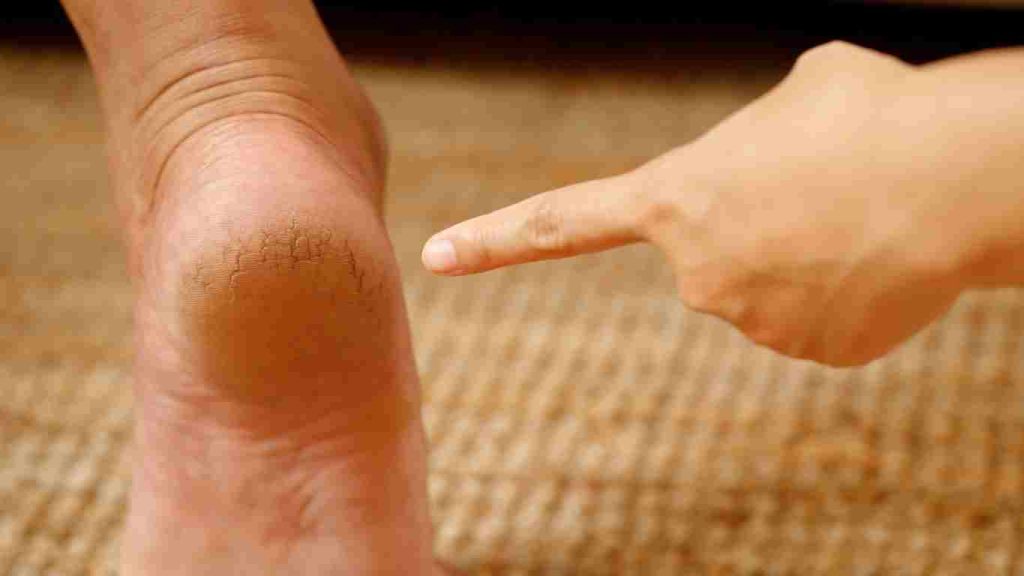
Cracked heels (heel fissures) are a common foot issue, especially when the skin becomes very dry and thick. In cold, dry weather or with daily wear, the skin around the heel can harden and form deep cracks that may bleed or hurt if untreated. Nearly anyone can develop cracked heels—from athletes to older adults—and factors like standing for long periods, ill-fitting shoes, and certain health conditions (e.g. diabetes, thyroid issues, psoriasis) increase the risk. Fortunately, a consistent foot care routine and simple home remedies can prevent and heal cracked heels without expensive products. This article explains why heel cracks happen and lists proven tips—backed by dermatologists and podiatrists—on how to cleanse, exfoliate, and deeply moisturize your feet for soft, smooth heels.
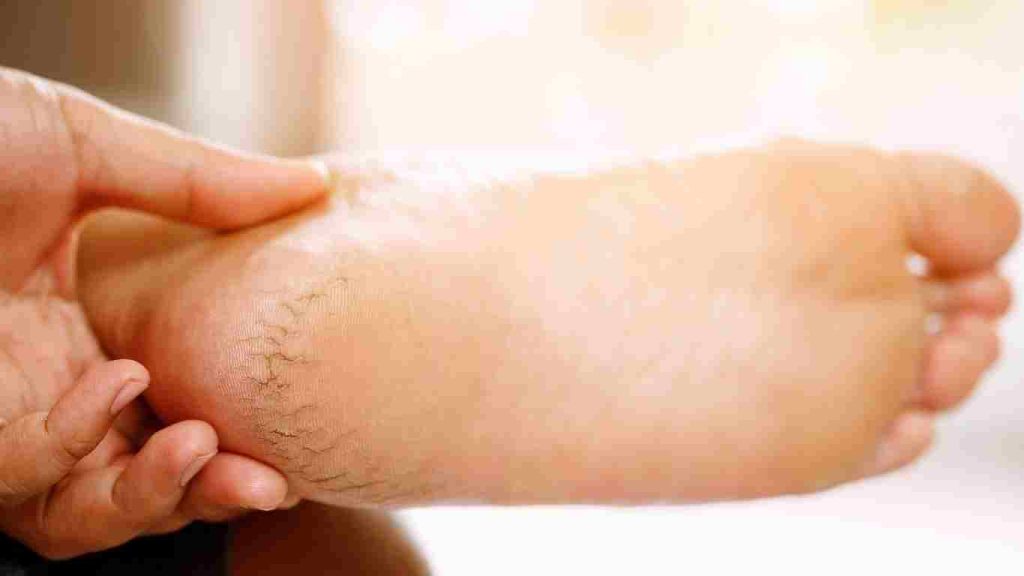
Ways to Heal Cracked
Cracked heels start when the protective moisture barrier of the skin is lost. Dry skin thickens into hard calluses that eventually split under pressure. In medical terms these fissures can discolor (yellow or brown) and, if deep, may bleed or become infected. Common causes include dry weather, cold temperatures, and low humidity, which sap moisture from your feet. Other culprits are spending long hours on hard floors, wearing shoes without heel support (like flip-flops), or not moisturizing regularly.
As we age, skin naturally produces less oil, so older adults often see cracked heels even without other risk factors. Skin conditions like eczema or psoriasis, and systemic issues like diabetes, can also make the skin on the feet much drier and prone to cracks. Addressing cracked heels means tackling both the symptoms (the cracks) and the underlying dryness or pressure that caused them.
Note: Untreated deep heel cracks can bleed and even get infected. It’s important to follow a careful treatment routinerestoring moisture, cleaning away dead skin, and protecting the area—to prevent complications.
Ways to Heal Cracked: Cleansing and Soaking
1. Keep your feet clean and dry. Wash your feet every day with lukewarm water and a gentle, fragrance-free soap. Limit showers or baths to about 5–10 minutes so your skin doesn’t dry out further. After washing, pat your feet dry completely, especially between the toes, to avoid fungal infections. Using harsh antibacterial soaps or very hot water can strip natural oils from your skin, making heel cracks worse. If you must use medicated soaps (for foot odor or infections), rinse thoroughly and follow with moisturizer right away.
2. Soak your feet to soften rough skin. A weekly foot soak can ease calluses and make exfoliation safer. Fill a basin with warm (not hot) water and add a little Epsom salt or mild soap. Soak your feet for about 10–20 minutes. This softens hardened skin on the heels and makes gentle scrubbing easier. After soaking, dry your feet thoroughly. (Damp skin can be more prone to infection, so always pat dry between soaking.) If desired, you can add a few drops of antibacterial soap, a teaspoon of white vinegar, or a pinch of salt to the warm water for added cleansing.
Example Step-by-Step Foot Soak:
1. Fill a basin with warm water and a mild soap or bath salt.
2. Soak both feet for 10–15 minutes to soften the skin.
3. Use a pumice stone or foot file to gently scrub the heels.
4. Rinse and dry completely, then follow with moisturizer (see below).
These simple hygiene steps lay the groundwork for healing: clean feet resist infection, and softened skin lets you safely slough off the thick, cracked layer.
Exfoliate Regularly and Ways to Heal Cracked
Once your feet are clean and softened, regular exfoliation is key to removing dead skin. Gently scrub your heels every few days to prevent buildup of thickened skin. Use a pumice stone, foot file, or a specially designed foot scrubber. For example, after soaking your feet, rub a pumice stone in circular motions on the hardened areas. This removes flaky, dead skin and lets moisture penetrate the living skin below. Be careful not to scrub too hard—vigorous scrubbing can cause tiny tears or make cracks worse. After exfoliation, rinse and dry your feet fully.
- Exfoliation Tips: Do this gently and moderately. Avoid aggressive scrubbing or harsh chemical peels on already cracked skin. If your heels are very tender, wait until they feel a bit better before exfoliating again. Over-exfoliation can actually aggravate dryness.
Exfoliation not only makes your feet look smoother, but it also allows moisturizers to absorb more effectively. For stubborn calluses, you may repeat the scrub after a second soak. Always finish by patting your feet dry.
Deep Moisturizing
Rehydrating your heels is the most crucial step. After exfoliating and drying, apply a thick moisturizer or occlusive ointment to the cracked areas. Ingredients like petroleum jelly, shea butter, glycerin, or urea are best because they seal in moisture. Apply generously so that the skin looks glossy. Even better, cover your feet with socks after moisturizing to trap the hydration and enhance absorption overnight.
- Before Bed Routine: Every night before sleep, slather your heels with petroleum jelly (Vaseline) or a thick foot balm. Then put on clean cotton socks. The socks create a barrier that keeps the moisturizer on your skin. By morning your feet should feel noticeably softer. (Dry, cracked heels often respond well to this “overnight treatment” because skin regenerates at night.)
- Daily Moisturizing: In addition to the nightly routine, apply moisturizer at least once more during the day—ideally right after a shower, when your skin is still slightly damp. Use products containing hydrating humectants (like urea, lactic acid, or alpha-hydroxy acids) as they draw water into the skin. For example, dermatologist-recommended creams often have 10–25% urea or lactic acid to soften and hydrate cracked skin. If you don’t have a specialized foot cream, even a thick night cream or gentle body butter can help.
- Natural Oils and Balms: In place of or in addition to commercial creams, natural oils can be soothing. Pure coconut oil is popular: it contains fatty acids that support new skin cell growth and help wounds heal. Warm a little coconut or olive oil in your hands and massage it into your heels—this can reduce dryness over time. Similarly, honey is a natural moisturizer and antibacterial; a thin layer of raw honey can be left on the heel for 20–30 minutes before rinsing. Aloe vera gel is another cooling moisturizer if irritation is present.
No matter what cream or oil you use, the key is consistency. Intensive moisture (occlusives + socks) works best when done daily. Over several days, regular hydration will gradually soften even very rough, cracked skin.
Protective Care and Tips
Beyond cleansing, exfoliating, and moisturizing, here are other ways to care for your heels:
- Wear Supportive Footwear: Shoes that cradle your heel and cushion pressure can prevent and heal cracks. Avoid open-backed sandals, flip-flops, or worn-out shoes, since these let the heel expand and worsen fissures. In summer, choose footwear that still supports your heel (many experts advise against flip-flops if you have heel cracks). In winter, heavy boots keep heat in and help prevent dryness. Also wear socks with closed shoes: cotton or moisture-wicking socks in shoes will help retain any sweat or creams next to the skin. Change socks daily to keep feet fresh.
- Stay Hydrated and Eat Well: Good skin health starts from within. Drinking plenty of water keeps your overall skin (including the feet) hydrated. Eating foods rich in vitamins A, C, and E (like fruits, vegetables, nuts) supports collagen and skin repair. Deficiencies in nutrients can make skin less elastic and more prone to cracking.
- Avoid Irritants: Hot baths, prolonged soaking, or harsh detergents can dry feet out. If you have to soak more than 10–15 minutes (for softening), follow immediately with moisturizer. Switch to a mild, fragrance-free soap or cleanser for your feet. Avoid foot products containing alcohol or strong scents. Don’t pick at or peel skin with fingernails, as that can open wounds.
- Use Protective Coverings: For very deep cracks, over-the-counter liquid bandages or antiseptic dressings can be helpful Applying a liquid bandage (available at pharmacies) seals the crack temporarily, preventing dirt and germs from entering while it heals. This is especially useful at night or if you need to walk a lot. Always apply such products on clean, dry feet and follow package directions.
Expert Tip: Dermatologists advise applying an occlusive (like plain petroleum jelly) before bed and wearing socks, which “locks in” healing moisture while you sleep. This simple step can significantly improve healing for extremely dry heels.
When to Seek Professional Help:
Most heel cracks can be managed at home, but there are times to see a doctor or podiatrist. If your cracks are very deep, painful, or bleeding, do not rely on home remedies alone. Instead, clean the area gently and apply a topical antibiotic or antiseptic ointment. Persistent or infected fissures require medical attention. The American Academy of Dermatology notes that if “dry, cracked heels are severe or do not improve” after home care, you should consult a board-certified dermatologist. Likewise, podiatrists recommend seeing them if you notice swelling, pus, or red streaks around the heel, or if you have risk factors like diabetes or circulatory problems.
If you visit a foot specialist, they may clean (debride) the dead skin in the office to jump-start healing. They can also prescribe stronger treatments (like high-concentration urea or medicated creams) if needed. Never try to cut or shave thick heel calluses at home—this should be done by a professional to avoid injury. In summary, if home care (soaks, scrubs, creams) hasn’t improved your cracked heels within a week or so, get a professional evaluation.
Matcha Slim Uganda:Benefits, Reviews & Where to Buy
FAQ: Ways to Heal Cracked
- What causes cracked heels? Cracked heels mainly result from dry, thickened skin. When moisture is lost (due to cold weather, low humidity, or not moisturizing), the skin on your heels hardens and eventually splits under pressure. Additional factors include standing a lot on hard surfaces, wearing open-heeled shoes (flip-flops), obesity (extra pressure), and skin conditions like eczema or fungal infections. Aging skin and medical issues (diabetes, thyroid disorders) also contribute by reducing skin elasticity and moisture.
- How can I heal cracked heels quickly at home? Start by soaking and scrubbing your feet gently. Soak your feet in warm water (you can add Epsom salt or a little mild soap) for 10–15 minutes to soften the skin. Then use a pumice stone or foot file to remove dead, rough skin. Next, moisturize deeply: apply a thick, occlusive product like petroleum jelly or a rich foot cream to the heels and cover them with cotton socks, preferably overnight. Repeat daily. Many find that consistent care (hydrate, exfoliate, moisturize) for several days leads to rapid improvement. For added benefit, you can use natural remedies like coconut oil (for wound healing) or honey (antibacterial hydration) on the heels.
- Which home remedies help heal cracked heels? Besides petroleum jelly and medical creams, natural remedies can assist. For example, coconut oil can be rubbed on cracks to nourish and help new skin grow. Raw honey can be applied as a mask (leave 20–30 minutes) to kill bacteria and lock in moisture. Other people use olive oil, aloe vera gel, or sugar scrubs gently on heels to moisturize and exfoliate. Even simple foot masks made of yogurt, banana, or coconut oil (left on the skin 20–30 minutes then rinsed) can soften the feet. The key is to follow any remedy with an occlusive (like Vaseline or a thick foot balm) to seal in hydration. Note: if you have diabetes or very deep wounds, stick to simple, sterile treatments and consult a doctor.
- How can I prevent cracked heels from coming back? Make foot care a routine. Moisturize your feet daily, especially after bathing, with a rich cream or petroleum jelly Wear shoes that support your heels (avoid backless sandals for long periods) and wear socks to cushion and protect the heel skin. Stay hydrated and eat a balanced diet (vitamin C, omega-3s, zinc) for healthy skin elasticity. Avoid very long, hot showers or harsh soaps that strip skin oils. Gently exfoliate once or twice a week to keep calluses in check. By keeping your heel skin supple and avoiding irritation, you greatly reduce the chance of cracks forming.