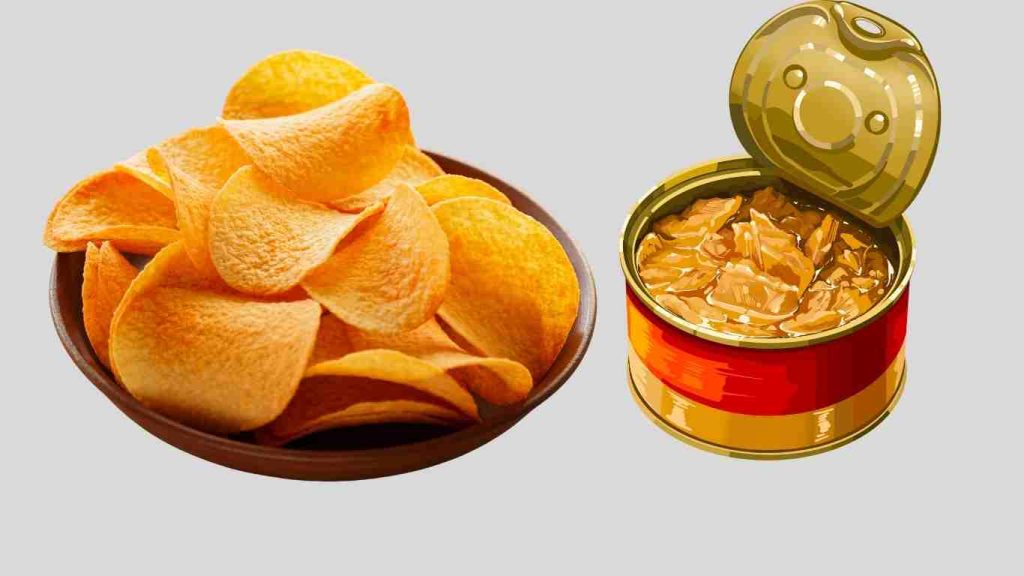
Ultra processed foods are heavily modified industrial food products, often with long ingredient lists including added sugars, oils, salts, and preservatives. Unlike minimally processed foods (such as frozen vegetables or canned beans), ultra-processed foods look little like their natural origins and often contain ingredients not used in home kitchens.
The American Heart Association warns that “most ultraprocessed foods are high in saturated fat, added sugars and salt”, and eating more of them is linked to a higher risk of heart disease. In fact, research suggests diets rich in ultra-processed foods can lead to weight gain and even higher rates of obesity and cancer.
In this article we explain what ultra processed foods are, give common examples, outline their health risks (including obesity), and suggest how to avoid them with healthier alternatives.
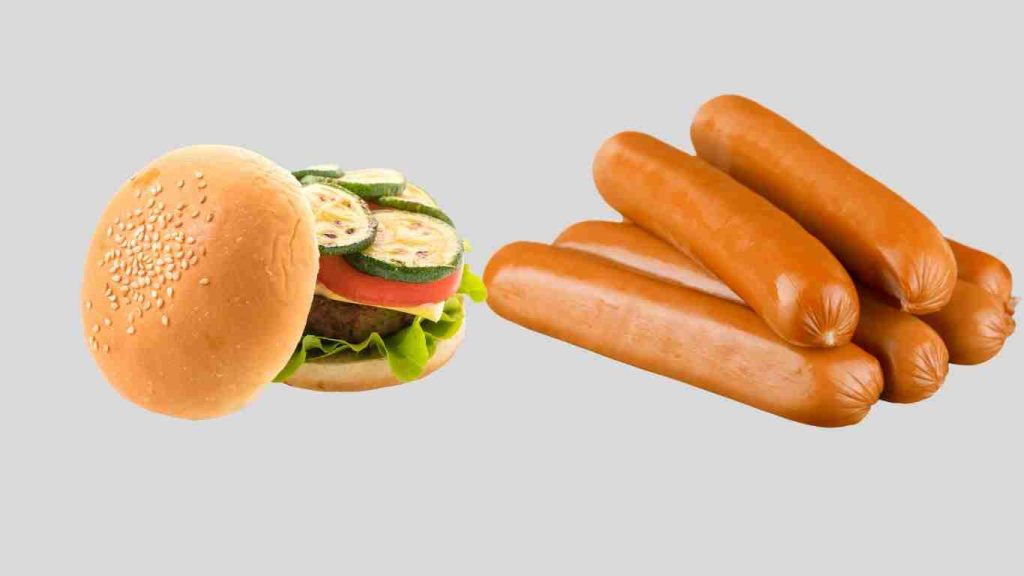
What Are Ultra-Processed Foods?
Ultra-processed foods (UPFs) are defined by their industrial formulation. They typically contain five or more ingredients (often unrecognizable additives) added to processed food and culinary ingredients.
For example, Brazil’s NOVA classification (by nutrition scientist Monteiro) defines UPFs as “industrial formulations with five or more ingredients” and additives not used in home cooking. These foods often undergo multiple stages of processing (extrusion, molding, pre-frying, etc.) and include ingredients chosen to make them hyper-palatable and shelf-stable.
In practice, this means ultra-processed foods include items like snack chips, sugary cereals, soda, frozen meals, candy, and fast-food products that bear little resemblance to whole foods. In short, ultra-processed ≈ industrial “junk” food: convenience foods engineered for taste and long shelf life.
- Long ingredient lists: UPFs often include additives (flavors, colorants, emulsifiers, sweeteners) and ingredients “of no culinary use” (e.g. high-fructose corn syrup, hydrogenated oils).
- Industrial processes: They are made with industrial techniques (extrusion, molding, etc.) and contain little or no whole foods.
- Ready-to-eat or heat: UPFs are usually packaged for quick consumption (instant noodles, microwave dinners, fast-food items).
Matcha Slim Uganda:Benefits, Reviews & Where to Buy
Processed vs Ultra-Processed Foods
Not all processed foods are equal. Minimally processed foods might be cleaned, chopped, frozen or pasteurized (think: fresh spinach, canned lentils, milk) and still retain most of their original nutrition. Processed foods might have a few added ingredients for flavor or shelf-life (such as whole-grain bread with salt or plain yogurt). In contrast, ultra-processed foods have been transformed into industrial formulations that bear little resemblance to the natural ingredient. Harvard experts explain that in ultra-processed foods the original foods are “not recognizable” and have had preservatives, sweeteners, and other additives added.
For example, a simple cracker or loaf of bread (processed) is very different from a candy bar or cheese puffs (ultra-processed). Dr. Walter Willett of Harvard notes that ultra-processing often produces what we call “junk food”. In essence, the more a product has added ingredients and artificial processing, the closer it is to the ultra-processed end of the spectrum.
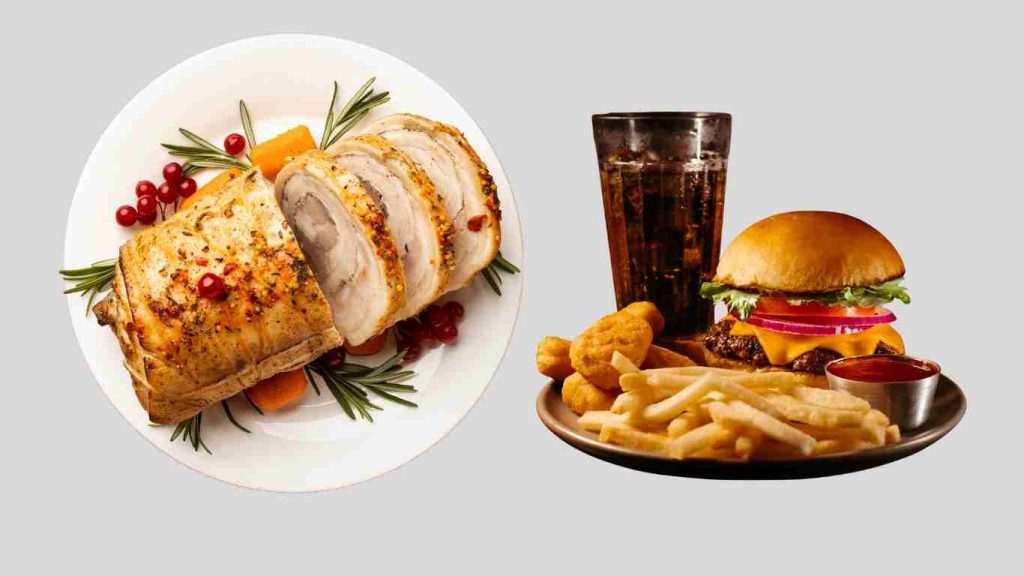
Examples of Ultra-Processed Foods
Common ultra-processed foods cover a wide range of packaged and fast-food items. Examples include:
- Sugary drinks: Soda, sports drinks, sweetened fruit drinks – loaded with added sugars and little nutritional value.
- Snack foods: Potato chips, tortilla chips, cheese puffs and other packaged salty snacks.
- Sweets and baked goods: Candy bars, cookies, cakes, pastries and other treats high in sugar and fats.
- Fast foods and ready meals: Frozen pizzas, microwave dinners, instant ramen noodles, boxed pasta and other meal kits.
- Processed meats: Hot dogs, bacon, sausages, deli meats and other cured meats with added salts and preservatives.
- Breakfast cereals: Especially sugary or flavored cereals made from refined grains.
Each of these items typically has a long ingredient list with additives (flavorings, colorants, emulsifiers) and few (if any) whole-food ingredients.
Health Risks of Ultra-Processed Foods
Eating a diet high in ultra-processed foods has been linked to numerous health problems. Studies show that higher UPF intake is associated with increased risks of obesity, heart disease, stroke, type 2 diabetes, certain cancers, and even earlier mortality. For example, a large Harvard study found that for every 10% increase in the proportion of calories from UPFs, the risk of heart attack or stroke rose by about 12%. Participants who ate four or more servings of UPFs per day had a 62% higher risk of death than those eating two servings per day. Likewise, meta-analyses link UPF consumption to higher risk of various cancers. One recent cohort found that women consuming the most ultra-processed foods had a 45% higher risk of developing precancerous colon polyps (a sign of colorectal cancer risk) than those consuming the least. Other research shows UPF-rich diets raise inflammation and blood sugar levels, factors underlying metabolic diseases.
Over 50% of daily calories in a typical US diet now come from ultra-processed foods, which helps explain why chronic diseases are so common. In short, diets high in UPFs – the so-called “junk foods” – tend to be high in salt, sugar and unhealthy fats, displacing healthier choices and leading to weight gain, hypertension, diabetes, and higher risk of heart disease and cancer.
Ultra-Processed Foods and Obesity
One of the most consistent findings is that heavy consumption of ultra-processed foods contributes to weight gain and obesity. In a multi-country study, adults with the highest UPF intake gained significantly more weight over five years and had higher odds of becoming overweight or obese. Those in the highest consumption group were 15% more likely to become overweight and 16% more likely to become obese, compared to those with low UPF intake.
Other research suggests that the combination of high calories, added sugars, and hyper-palatable formulations in UPFs leads people to overeat. Animal models and human studies alike find that heavily processed diets promote excess calorie intake and fat accumulation. For example, long-term data show that people consuming diets rich in UPFs end up eating more added sugar and fats, which is directly linked to weight gain and higher body mass index. Thus, ultra-processed foods are a major factor in the obesity epidemic.
Other Health Effects
In addition to obesity and heart disease, high UPF consumption has been linked to higher risk of type 2 diabetes and poor mental health outcomes. The salt, fat and sugar excess in these foods can worsen blood pressure, cholesterol levels, and insulin resistance. Some studies even suggest high-UPF diets may disturb gut microbiota and blood sugar control, which in turn raise the risk of chronic illness. In summary, the effects of ultra-processed foods on health are largely negative – they promote overeating, nutrient imbalance, and disease.
How to Avoid Ultra-Processed Foods
Reducing ultra-processed foods in your diet is key to better health. Experts recommend several strategies:
- Eat whole foods: Base meals on minimally processed foods (fruits, vegetables, whole grains, beans, lean meats, dairy). These naturally have fewer added ingredients.
- Cook at home: Preparing your own meals allows control over ingredients. Home cooking greatly cuts UPF intake, since restaurant and takeout foods often use ultra-processed ingredients.
- Read labels: When shopping, check ingredient lists. Products with long lists of unrecognizable ingredients (e.g. preservatives, flavor enhancers, high-fructose syrups) are usually ultra-processed. Opt for items with fewer, simple ingredients.
- Choose whole grains: Replace refined breads, cereals and pasta with whole-grain versions. For example, look for “whole” as the first ingredient on a loaf of bread. Whole grains keep you fuller and have more nutrients.
- Swap sugary drinks: Cut out sodas and sports drinks. Drink water, sparkling water with fruit, or unsweetened tea instead.
- Snack smart: Snack on fresh fruit, nuts, yogurt, or cut veggies instead of chips or candy.
- Plan ahead: Make a shopping list of wholesome ingredients and stick to it. This helps avoid impulse buys of ultra-processed snacks.
These changes don’t have to be all at once. Even small swaps (e.g. brown rice instead of instant flavored rice, homemade salad dressing instead of bottled) can make a difference. As the American Heart Association advises, focus on an overall diet rich in vegetables, fruits, whole grains, nuts, and lean proteins. By doing so, you naturally minimize ultra-processed products.
Healthy Alternatives to Ultra-Processed Foods
Here are some healthier swaps and alternatives to common ultra-processed items:
- Fruits and Vegetables: Fresh or frozen fruits/veggies instead of packaged snacks. Add carrots or berries as snacks.
- Whole Grains: Oatmeal, brown rice, quinoa, whole-grain bread and pasta replace refined cereals and white bread. Be sure “whole grain” appears first on labels.
- Plain Dairy: Plain yogurt or kefir instead of flavored yogurts or pudding cups. Add fresh fruit or nuts for sweetness.
- Homemade Snacks: Make trail mix (nuts and unsweetened dried fruits) instead of buying candy bars. Bake whole-grain muffins or energy balls in place of store-bought cookies.
- Lean Proteins: Grill chicken, fish, beans or tofu instead of hot dogs, deli meats or breaded fried meats. Trim visible fat and remove chicken skin.
- Homemade Meals: Prepare simple meals like stir-fries, soups, or salads at home. For example, cook a whole grain plus vegetables and lean protein, rather than microwaving a frozen dinner.
- Healthier Drinks: Replace soda or sweet coffee drinks with water, herbal tea, or DIY fruit-infused water.
Remember: Some packaged foods can still fit in a healthy diet if chosen carefully. For instance, 100% whole-grain breads, plain low-sugar cereals, nut butters with no added sugar, or fortified plant milks can be moderate part of a diet. The key is prioritizing minimally processed ingredients first. By making these swaps, you can significantly reduce the quantity of ultra-processed foods you eat and boost nutrition.
In summary, Ultra Processed Foods are convenient but often unhealthy. They tend to be high in added sugar, salt and fat, and their overconsumption is linked to obesity, heart disease, diabetes and even cancer.
The good news is that cutting back on UPFs and choosing whole, unprocessed foods can improve health. Start by reading labels, cooking more meals at home, and replacing snacks with fresh options. Even simple steps – like switching soda for sparkling water or flavored cereals for plain oats – add up. For more tips on eating well and preventing disease, consult a registered dietitian or check guidelines from health organizations.
Have you tried cutting out ultra-processed foods? Share this article on social media and leave a comment with your favorite healthy swap or recipe. Your experience could help others on the path to better health!
Motion Energy Price in Uganda (2025) Best Herbal Balm for Joint & Muscle Pain
Frequently Asked Questions
What are ultra processed foods?
Ultra processed foods are ready-to-eat or ready-to-heat products made in factories with many added ingredients (sugars, oils, salts, additives) and little real food content. They include snacks, sodas, fast meals, and sweets that don’t resemble whole foods.
What are examples of ultra processed foods?
Typical examples include soft drinks, packaged chips and crackers, candy and baked sweets, frozen pizza and microwave meals, and processed meats like hot dogs and bacon. Sugary breakfast cereals and instant noodles also count. If a product has a very long ingredient list or many chemical-sounding additives, it is likely ultra-processed.
Why are ultra processed foods unhealthy?
UPFs tend to be high in added sugar, salt, and unhealthy fats, and low in fiber and nutrients. Studies link high UPF intake to obesity, heart disease, stroke, type 2 diabetes, and certain cancers. They can also cause people to eat more calories overall. In essence, eating too many UPFs displaces healthy foods and raises chronic disease risk.
How can I reduce or avoid ultra processed foods in my diet?
Cook more meals at home using fresh or minimally processed ingredients. Shop with a list focusing on whole foods – fruits, vegetables, whole grains, lean meats. Read labels: avoid products with many additives or added sugars. Swap sugary drinks for water or tea, choose plain yogurt over flavored versions, and snack on nuts or fruit instead of candy or chips. Gradual changes (e.g. switching to whole-grain bread or adding vegetables to meals) can dramatically cut UPF intake.
What are some healthy alternatives to ultra processed foods?
Plenty of wholesome swaps exist. For example, eat fresh fruits and nuts as snacks, oatmeal or whole-grain cereal for breakfast, and water or homemade smoothies instead of soda. Base meals on vegetables, beans, whole grains (brown rice, quinoa), and unprocessed proteins (chicken, fish, eggs, legumes). Simple homemade recipes – like soups, salads, or stir-fries – replace frozen dinners. Even when buying packaged items, choose 100% whole-grain bread, plain yogurt, or minimally seasoned frozen vegetables. These alternatives provide more nutrients and fiber while cutting added sugars and fats.