
Muscle aches and soreness are extremely common – about 1 in 5 U.S. adults have chronic pain and many people prefer natural remedies for muscle pain over medications. These remedies (like stretches, heat/cold packs, herbal supplements, and topical balms) aim to ease inflammation and tension with minimal side effects. For example, integrative medicine experts often recommend simple measures such as warm Epsom salt baths and anti-inflammatory foods to relax muscles and reduce pain. In this guide, we’ll share 10 evidence-based natural remedies to relieve muscle pain.
We’ll cover approaches suitable for seniors, athletes, chronic pain sufferers, and health-conscious adults – from gentle exercise and ergonomic tips to diet, herbs, and topical treatments. Each remedy includes practical tips and scientific insights to help you choose what works best for your body.
1. Gentle Exercise and Stretching
Ironically, keeping muscles moving often reduces pain. Physicians say “motion is lotion” for joints and muscles. Regular gentle activity improves blood flow, bringing nutrients to sore areas and flushing out inflammatory chemicals. For example, a UT Southwestern physician notes that staying active prevents joint stiffness and helps muscles recover, and guidelines recommend at least 150 minutes of moderate exercise per week.
Seniors and beginners can start slowly: daily walks, light cycling, or chair-based exercises boost circulation without strain. Athletes should always warm up (e.g. leg swings, arm circles) and cool down with dynamic stretches (like calf stretches or lunges) to prevent post-workout stiffness.
- Chair Yoga or Tai Chi: Low-impact routines that stretch the whole body. These gentle movements can maintain flexibility and balance with minimal effort.
- Foam Rolling or Self-Massage: Using a foam roller or massage ball on tight muscles (e.g. quads, back) can break up knots and increase blood flow. Roll each area for 30–60 seconds.
- Daily Stretching: Spend 5–10 minutes each morning and evening stretching key muscles (neck, shoulders, back, legs). Even simple neck rolls, shoulder shrugs, and calf stretches can relieve tension.
Regular movement can make a big difference: “If you’re not moving regularly, your muscle tissues stiffen,” notes a physiatrist – so try small daily goals (like walking 10 minutes more) to keep muscles lubricated. Over time, these habits help reduce soreness and improve function.

2. Heat and Cold Therapy
Applying heat or cold to sore muscles is a classic, simple remedy. Warmth increases circulation, which relaxes tight muscles and speeds healing. For example, a warm heating pad, warm shower, or a 15–20 minute soak in a hot bath can soothe stiffness and improve flexibility. By contrast, cold therapy (ice packs or a cold compress) numbs pain signals and reduces swelling. Use ice especially right after a strain or injury (apply a cloth-wrapped ice pack for 10–15 minutes at a time).
When to Use What: Health experts advise using ice for acute injuries or swelling, and heat for chronic aches and stiffness. Ice is best if you feel sudden pain or see swelling; heat is best for lingering soreness or tension. Both methods are very affordable and easy to try at home. For example, alternating a hot bath with a cold shower (contrast bath) can enhance blood flow to muscles.
Tips: Always protect the skin (wrap packs in cloth) and limit each application to 15–20 minutes. Never use extreme heat or cold. In many cases, a warm Epsom salt bath (see next remedy) combines heat with muscle-relaxing magnesium. For more on using heat/cold, see Healthline’s guide to pain therapy.
3. Massage and Self-Myofascial Release
Massage therapy is another effective way to relieve muscle pain. A 2024 Medical News Today review says a deep-tissue massage by a qualified therapist is “a great way to relieve tense muscles”. Manual pressure kneads out tight spots, improves circulation, and can dramatically reduce soreness.
You don’t always need a pro, though – self-massage tools can help too. For example, rolling a tennis ball under your foot or glutes, using a foam roller on your thighs, or gently pressing and rubbing a tender calf muscle for a few minutes can increase blood flow and break up knots.
- Professional Massage: If possible, see a licensed massage therapist for techniques like Swedish or deep-tissue massage. Explain your sore areas so they can focus on the right spots.
- Self-Massage: Try using massage sticks, foam rollers, or massage balls. Focus on one muscle group at a time (like quads, hamstrings, shoulders) and apply gentle sustained pressure.
Regular massage also helps maintain flexibility. (Medical News Today notes that if you have muscle spasms, a physiotherapist can find the root cause.*) Even a brief 5–10 minute massage session at home (using a muscle roller or an electrical massager) each day can make muscles feel looser. Combining massage with gentle stretching (for example, massaging a muscle and then stretching it) yields even better pain relief and range of motion.

4. Epsom Salt (Magnesium) Soaks
Soaking in a warm Epsom salt bath is a time-tested home remedy for muscle soreness. Epsom salt is magnesium sulfate, and many people believe its magnesium is absorbed through the skin to relax tight muscles. While clinical studies are limited, the Cleveland Clinic notes that integrative medicine specialists commonly recommend Epsom salt baths for muscle pain. One expert says: “Epsom salt is used to relax muscles and relieve pain in the shoulders, neck, back… This benefit can also aid sore muscles in the recovery period after a workout”.
To try it: dissolve about 1–2 cups of Epsom salt in a warm bath and soak for 15–20 minutes. The heat plus magnesium may help soothe aches. (Ensure the water is comfortably warm, not scalding.) Since this method is very gentle, it’s suitable for seniors and people with chronic pain. Always avoid Epsom salt on broken skin or open wounds. Note: avoid very hot baths if you have heart issues or high blood pressure. For most people, adding Epsom salt to a standard hot bath carries little risk and can be a relaxing way to end the day.
The key takeaway: Warm Epsom soaks can relax stiff muscles and reduce pain, combining heat therapy with muscle-relieving magnesium. It’s an easy remedy to try 2–3 times a week, especially after exercise or on really sore days.
5. Anti-Inflammatory Diet and Superfoods
What you eat can influence muscle recovery. Certain foods and nutrients have anti-inflammatory properties that help muscles heal faster. For instance, colorful fruits like cherries and berries are rich in antioxidants. UT Southwestern doctors note that cherries (and other red fruits) contain anthocyanins, which have anti-inflammatory benefits. Indeed, studies show that tart cherry juice or concentrate can reduce pain and muscle damage after intense exercise. Similarly, blueberries (high in polyphenols) have been found to lower post-workout inflammation in some trials.
- Tart Cherry or Berry Juice: Drink a cup of tart cherry or mixed berry juice, or eat a handful of berries daily. These foods can help blunt inflammatory response after workouts.
- Adequate Protein: Getting enough protein (whey, meat, dairy, or plant sources) is important. Research shows protein supplementation post-exercise reduces muscle soreness and damage. Try a protein snack (yogurt, whey shake, nuts) within an hour of exercise.
- Magnesium-Rich Foods: Foods like almonds, spinach, cashews, and black beans are high in magnesium, which supports muscle relaxation. For example, one cup of cooked spinach has about 157 mg of magnesium.
Other helpful choices include fatty fish (salmon, sardines) rich in omega-3s, olive oil, and leafy green vegetables. Conversely, limit sugar, refined carbs, and excessive alcohol, as these can worsen inflammation. Staying well-hydrated (water or electrolyte drinks) also helps flush out waste from muscles. By consistently eating a balanced, anti-inflammatory diet, many people notice less muscle pain over time. In summary, a diet rich in natural anti-inflammatory foods – think berries, leafy greens, nuts, and lean proteins – can be a powerful way to reduce ongoing muscle soreness.
6. Turmeric (Curcumin) and Ginger
Turmeric and ginger are potent herbal remedies for muscle pain. Both contain natural anti-inflammatory compounds, with turmeric’s active ingredient curcumin being especially well-studied. Mayo Clinic experts explain that curcumin has strong anti-inflammatory properties and is potentially as effective as some drugs for reducing pain. Medical research supports this: some trials have shown curcumin supplements decrease exercise-induced inflammation and arthritis symptoms comparably to ibuprofen. Ginger contains similar compounds (gingerol) that ease inflammation and muscle spasms.
To use them: add turmeric and fresh ginger to your cooking (curries, soups, smoothies) or brew them as tea. Since curcumin isn’t well absorbed on its own, take turmeric with a pinch of black pepper and a healthy fat (like olive oil) to boost absorption. Many people also take standardized curcumin or ginger supplements (typical doses range from 500–1500 mg per day of curcumin) – but check with a doctor before starting any high-dose supplement.
Over several weeks, you may notice reduced stiffness and less pain. Remember, these work gradually. They can complement other remedies, such as combining a turmeric latte with a heat pack after exercise. Note: high doses can cause stomach upset in sensitive individuals, and turmeric can interact with blood-thinners. When used properly, these spices are excellent natural options for chronic muscle soreness.
7. Essential Oils for Muscle Pain
Aromatherapy oils can provide targeted relief when applied topically. Several essential oils have muscle-relaxing and pain-relieving properties. For example, peppermint oil contains menthol, which produces a cooling, numbing sensation on sore muscles. Healthline notes that peppermint also has analgesic and anti-inflammatory effects, making it popular for muscle aches. Eucalyptus oil is another example – its cooling effect can help relax stiff muscles and reduce swelling. Lavender oil is known to calm and relax muscles, and rosemary oil has been shown to ease pain and inflammation. Even ginger essential oil can warm muscles and relieve pain when used topically.
How to use: Never apply undiluted oil directly to the skin. Mix a few drops of your chosen oil (peppermint, eucalyptus, lavender, etc.) with a carrier oil (like coconut, almond, or jojoba oil). Gently massage the blend into the affected muscle area. The massage itself plus the oil’s active compounds work together to relax tissues. For extra relief, try adding a few drops of oil to a hot bath.
Safety: Do a patch test first (apply a tiny amount to forearm) to check for irritation. Avoid oils like rosemary during pregnancy or if you have epilepsy. While essential oils are not a cure-all, many people find them helpful as part of a muscle-care routine. (They target pain locally and typically cause no systemic side effects.)
8. Topical Creams and Balms
Topical analgesics can relieve muscle pain with minimal systemic impact. Many products use natural or plant-derived ingredients. One well-researched option is capsaicin cream (from chili peppers). Capsaicin works by depleting substance P, a neurotransmitter that sends pain signals to the brain. A UT Southwestern review notes that capsaicin applied regularly “can significantly reduce joint pain,” often by about 50%. Similarly, menthol/camphor gels (like Biofreeze or Tiger Balm) create a cooling/tingling effect that distracts from deeper pain.
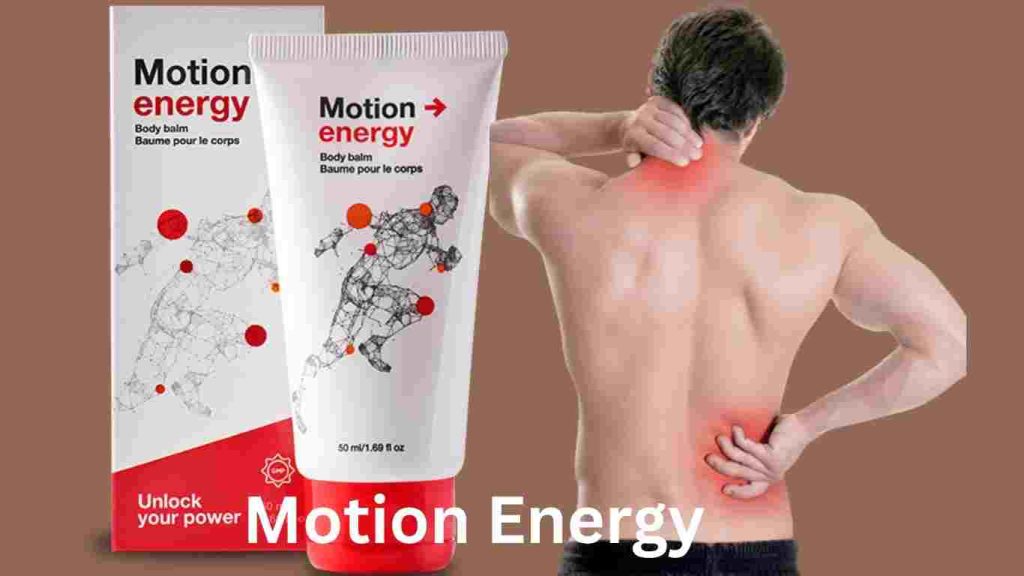
A newer example is Motion Energy Warming Body Balm, a cream blending warming herbs. Its formula combines eucalyptus, rosemary, cinnamon oil, and ginger to create a soothing heat. Users report it eases muscle tension and improves mobility. While the scientific evidence on this specific balm is anecdotal, it illustrates how botanical ingredients can be used topically. Arnica gel is another popular natural option; it’s often used for bruises and joint pain, though research on arnica’s effectiveness is mixed.
How to apply: Gently rub the cream into the skin over the sore muscle. You don’t need to knead hard – a light massage is enough. For best results, apply 2-3 times daily, especially after exercise or before bed. Since these creams stay local, they avoid stomach or kidney side effects of oral pills. Just remember: capsaicin can burn or irritate sensitive skin at first (wash hands after use!). Overall, topical balms are a convenient, drug-free way to get fast relief for isolated muscle aches.
9. Herbal Supplements and Nutraceuticals
In addition to foods, certain supplements and herbs may help relieve muscle and joint pain. For example, omega-3 fish oil has anti-inflammatory effects. Research cited by UT Southwestern shows omega-3s (EPA/DHA) can “significantly decrease joint swelling and tenderness” in arthritis. Even if you don’t take pills, eating fatty fish (salmon, mackerel) regularly provides these oils. Boswellia serrata (frankincense) is another supplement with strong evidence: boswellic acids block inflammatory enzymes. Studies have found boswellia extract can improve pain and mobility in arthritis and chronic muscle pain conditions.
Other popular supplements include glucosamine and chondroitin, compounds that support cartilage. Some people with joint pain (especially knees) experience modest relief in stiffness by taking them. However, results vary per person. If you have low vitamin D or calcium, be sure those are in range too, as deficiencies can cause muscle aches.
Tip: Always talk to your doctor before starting any supplement, especially if you take medications (some herbs can interact with blood thinners or blood pressure drugs). Supplements take time; they are most useful for chronic, ongoing pain rather than quick fixes. In general, these nutraceuticals have fewer side effects than long-term NSAIDs, making them worth considering as part of a comprehensive approach.
10. Rest, Sleep, and Mind–Body Techniques
Finally, don’t underestimate rest and stress relief for muscle recovery. Chronic stress and poor sleep can exacerbate muscle tension. Aim for 7–9 hours of quality sleep to allow muscles to heal. Maintain good posture during the day (avoid hunching or slumping) to prevent neck and back muscle strain. For stress relief, try relaxation techniques: deep breathing, meditation, or gentle yoga can reduce muscle tightness induced by tension. Many clinicians note that activities like Tai Chi and Qigong (mindful movement practices) not only strengthen muscles but also calm the nervous system, helping the body manage pain better.
In practical terms: if you work at a desk, do periodic seated stretches or get up to walk every hour. Use ergonomic chairs and pillows as needed. Before bed, a short meditation or reading can relax both mind and body. Remember, pain is often worse when we’re sleep-deprived or anxious. By prioritizing sleep and mindfulness, you give your muscles a fighting chance to recover and reduce ache.
In summary, these natural remedies for muscle pain – from simple movement and heat therapy to anti-inflammatory foods and herbal balms – can be very effective when used consistently. They allow you to ease muscle soreness and inflammation without relying solely on medications. Be patient: try one or two methods at a time (for example, add daily turmeric and a nightly Epsom soak) and monitor what helps you most. If pain persists or worsens, consult a healthcare provider. With the right combination of these gentle strategies, you can reduce discomfort and improve your muscle health naturally.
If you found this guide helpful, share it with others who suffer from muscle aches. Try incorporating one tip at a time, and give each method a fair trial of a week or two. Your journey to pain-free movement starts now – keep this article handy as a reference.
Frequently Asked Questions
Q: How can I relieve muscle pain naturally? A: There are many at-home remedies. Gentle exercise (like walking or stretching) and hot/cold packs are first-line options. Soaking in an Epsom salt bath or applying a warming balm can relax tight muscles. Also focus on anti-inflammatory foods (berries, turmeric, omega-3s) and good sleep. These methods, used together, often bring significant relief.
Q: Which foods or supplements help reduce muscle soreness? A: Anti-inflammatory foods can help. For example, tart cherries and berries (high in antioxidants) have been shown to speed recovery after exercise. Fatty fish or fish oil supplements (omega-3) may decrease inflammation. Adequate protein (e.g. whey or lean meat) after workouts helps muscles repair. Magnesium-rich foods (nuts, leafy greens) and herbs like turmeric/ginger also support relaxation of muscles.
Q: Are essential oils or creams effective for muscle aches? A: Yes, some can help. Peppermint oil (menthol) cools and numbs sore areas, and eucalyptus or lavender oil can ease pain and swelling. Topical creams with capsaicin or menthol can significantly cut pain signals. Always dilute oils in a carrier oil. Many find these treatments helpful for temporary relief, though they are most effective when used regularly over time.
Q: What is Motion Energy balm and is it safe? A: Motion Energy is a topical warming balm that blends botanical oils (eucalyptus, rosemary, cinnamon, ginger) with camphor and menthol. It’s marketed to soothe muscle and joint aches. While anecdotal reviews are positive, scientific studies on this product are limited. If you choose to try it, do a patch test to ensure no skin reaction. It’s similar to other menthol-based muscle balms and generally safe for most people.
Q: How should seniors approach muscle pain relief? A: Seniors should start with the gentlest options. Low-impact exercise (like walking, water aerobics or chair yoga) helps maintain flexibility without strain. Use supplements cautiously: for example, seniors should only take magnesium pills or strong herbs if a doctor prescribes them. Topical treatments (heating pads, Epsom soaks) are good because they bypass digestion. Always check with a physician before adding new supplements or therapies, and focus on safe, step-by-step approaches.
Check out our recommended product – click here for full details!“