A group of older adults prepares a healthy, low-calorie dinner together in a bright kitchen. For older adults, enjoying low-calorie dinners for healthy aging that are nutrient-rich is essential. In the U.S., the 65+ population is projected to rise from 58 million in 2022 to 82 million by 2050, underscoring why healthy aging dinner recipes are so important.
These 30-minute healthy dinners are not only quick to make but also packed with the nutrients needed for healthy aging. By focusing on colorful vegetables, lean proteins and fiber-rich ingredients, these meals help seniors meet their dietary needs without excess calories. Experts note that aging adults often “need fewer calories, but the same nutrients.” In this guide, we share 15 easy, quick healthy aging dinner recipes — nutritious low-calorie meals that support longevity and well-being.
Key Nutrients for Healthy Aging
Older adults should aim to get the most nutrition out of every calorie. Key nutrients like protein, fiber, calcium and essential vitamins (D and B12) help maintain muscle, bone and overall health. Important considerations for healthy aging dinners include:
– Weight management: Many older adults carry excess weight that raises the risk of chronic diseases like diabetes and heart disease. Low-calorie dinners filled with vegetables and lean protein can help maintain a healthy weight.
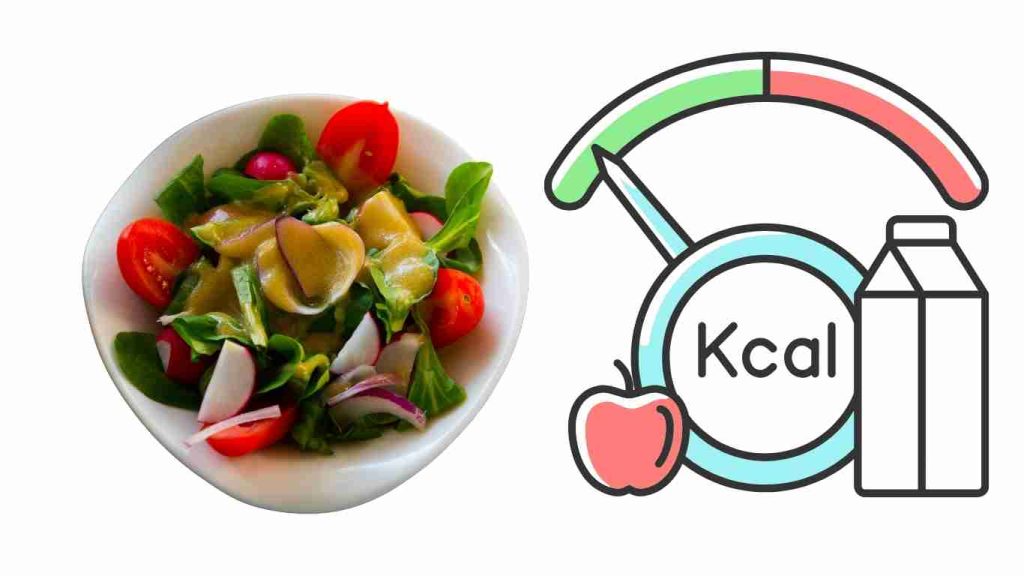
– Calorie needs decrease: Adults 60+ generally need about 1,600–2,200 calories (women) or 2,000–2,600 (men) per day. Meals should be lower in calories but nutrient-rich to avoid unwanted weight gain.
– Nutrient-dense foods: Focus on vegetables, fruits, lean proteins and whole grains. With reduced calories, each bite should be packed with fiber, vitamins and minerals.
– Protein for muscle: Seniors need ample protein (about 5–6.5 oz per day) to maintain muscle and bone mass. Include lean proteins (chicken, fish, beans, eggs) in each dinner.
– High-fiber foods: Fiber aids digestion and cardiovascular health. Eating fiber-rich vegetables and legumes can help prevent digestive problems and lower cholesterol.
– Bone-building nutrients: Include calcium and vitamin D (dairy or fortified alternatives, leafy greens) to support bone health.
– Healthy fats and vitamins: Foods like fatty fish (salmon), nuts or olive oil provide omega-3s and vitamin E for heart and brain health. Bright fruits and veggies provide vitamin C and potassium for overall well-being.
– Hydration: Drink plenty of water and include hydrating foods (soups, fruits, vegetables), since thirst perception may decline with age.
Tips for Quick, Healthy Dinners
A senior woman checks a recipe on her smartphone while preparing a salad – a reminder that simple planning and tools can make healthy meal prep easy. Quick healthy dinners for seniors often use straightforward steps and minimal ingredients. According to nutrition experts, emphasizing fresh vegetables, whole grains and lean proteins is key. Below are practical tips for making nutritious dinners in 30 minutes or less:
– Plan ahead: Decide on meals in advance and make a shopping list. Having ingredients ready (pre-cut veggies, pre-cooked grains) saves time and stress during the week.
– Use quick-cook ingredients: Keep staples like canned beans, frozen vegetables and whole-grain pasta on hand. These shorten prep time while still adding fiber and nutrients.
– Batch cooking: Double a recipe and refrigerate or freeze the extra portion for another meal. This cuts cooking time on busy nights and ensures a healthy dinner is always ready.
– One-pan or one-pot meals: Sauté or roast protein (chicken, fish, tofu) with vegetables in the same pan. This reduces dishes and combines flavors – for example, a sheet-pan salmon with broccoli or a chicken stir-fry with mixed veggies.
– Season smartly: Use herbs, spices, lemon juice and vinegar to add flavor without extra salt or fat. For instance, garlic and lemon with fish, or balsamic on veggies.
– Smart swaps: Replace high-calorie ingredients with healthier alternatives (e.g., zucchini noodles instead of pasta, Greek yogurt for sour cream). These small changes lower calories while keeping flavor.
– Healthy cooking methods: Grill, bake, roast or steam ingredients rather than frying. For example, steaming vegetables or broiling fish saves calories and preserves nutrients.
– Stock the freezer: Keep frozen veggies, fruits and proteins (like shrimp or chicken) on hand. Frozen produce is just as nutritious and can be cooked quickly, ensuring you always have healthy ingredients available. For example, a bag of frozen mixed vegetables can be microwaved as a quick side dish, and frozen lean protein (chicken, fish, shrimp) can speed up dinner prep.
– Include plenty of vegetables: Make half your plate non-starchy veggies. Colorful peppers, tomatoes, greens and cruciferous veggies deliver vitamins, minerals and fiber at low calories.
– Smart beverages: Drink water, tea or other low-calorie beverages with dinner instead of sugary sodas or alcohol. Reducing liquid calories can help control total intake while keeping you hydrated.
– Stay active: Regular activity (walking or light exercise) helps stimulate appetite and maintain muscle. Seniors who stay active often find it easier to enjoy and digest these nutrient-rich dinners.
– Share meals: Cooking and eating with others makes mealtime more enjoyable and encourages good appetite. Studies show seniors often eat more and enjoy their meals more when dining with family or friends.
15 Easy Low-Calorie Dinner Recipes for Healthy Aging
1. White Bean and Spinach Skillet
Sauté onion and garlic, then add diced tomatoes and creamy white beans in a skillet. Just before serving, stir in fresh spinach – as noted by chefs, “spinach adds freshness and color” to this dish. Season with Italian herbs or a pinch of cumin to boost flavor. White beans (like cannellini) are low in fat but high in fiber and plant protein, helping keep you full. A sprinkle of Parmesan and a slice of whole-wheat bread round out this dinner rich in fiber and protein.
2. Baked Lemon-Pepper Salmon with Veggies
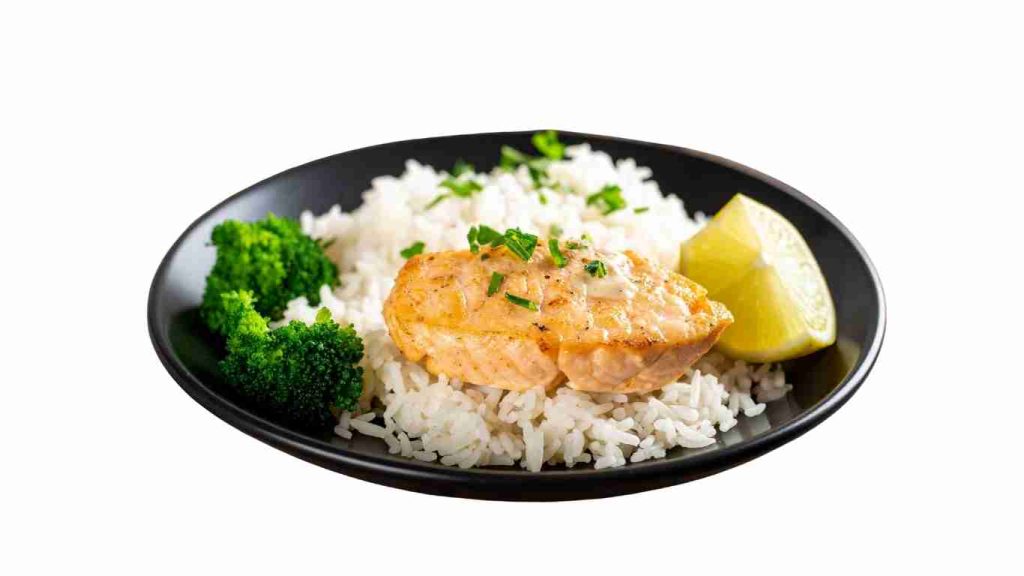
Place salmon fillets on lemon slices on a baking sheet with broccoli or green beans, and roast. Salmon is rich in omega-3 fatty acids and vitamin D, and the lemon-pepper seasoning adds bright flavor without sodium. For a complete plate, add sweet potato wedges to roast alongside – sweet potatoes add fiber, potassium and vitamin A. This satisfying meal delivers lean protein and healthy fats in under 30 minutes.
3. Creamy White Bean Soup
Combine white beans with low-sodium vegetable broth, onions, garlic and a touch of cream or yogurt. For extra nutrients, stir in chopped spinach or kale. Blend some beans for a thicker texture, and season with pepper and herbs (e.g., rosemary, thyme). Top with basil and Parmesan. A warm bowl of this soup provides protein and fiber, making it comforting and filling.
4. One-Pan Chicken Florentine
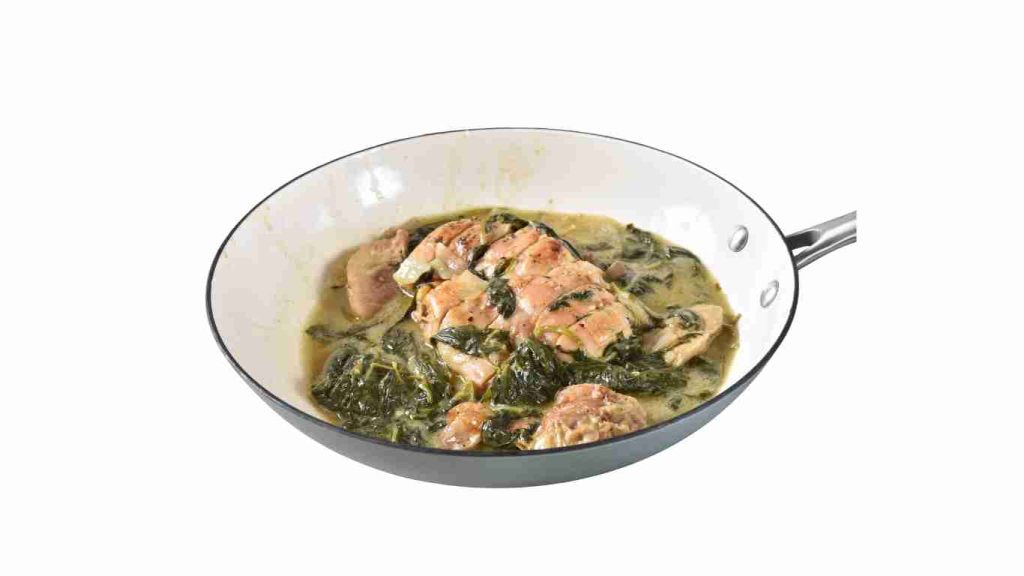
Sear chicken breasts in a skillet until lightly browned, then add spinach and a splash of broth or light cream. Season with garlic, lemon zest, and black pepper. The spinach cooks down into a tangy sauce. You can also use skinless chicken thighs for juiciness. Chicken Florentine delivers lean protein and iron-packed greens. A touch of Parmesan or feta makes it feel indulgent while keeping it healthy, and serving with whole-grain rice or pasta adds fiber.
5. Cheesy Broccoli & Bean Bake
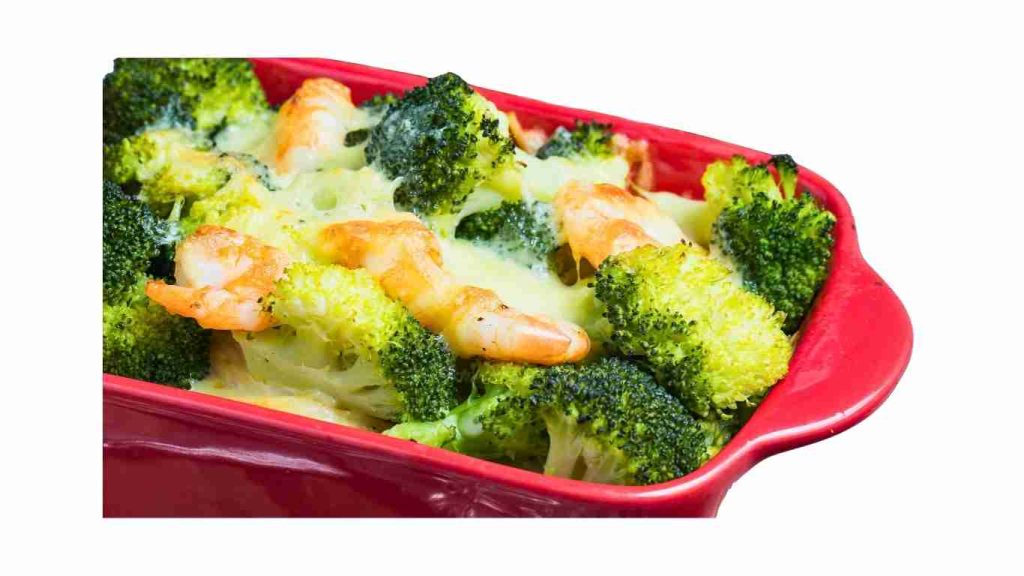
Toss fresh broccoli florets, white or butter beans and low-fat cheddar cheese in a baking dish. Add onions or bell peppers for extra flavor if desired. Bake until the broccoli is tender and the cheese is melted. Season with garlic powder and paprika. This cozy one-dish meal is low in calories – beans add plant protein and broccoli provides fiber, vitamin C and K for bone and immune health.
6. Quick Chickpea Soup
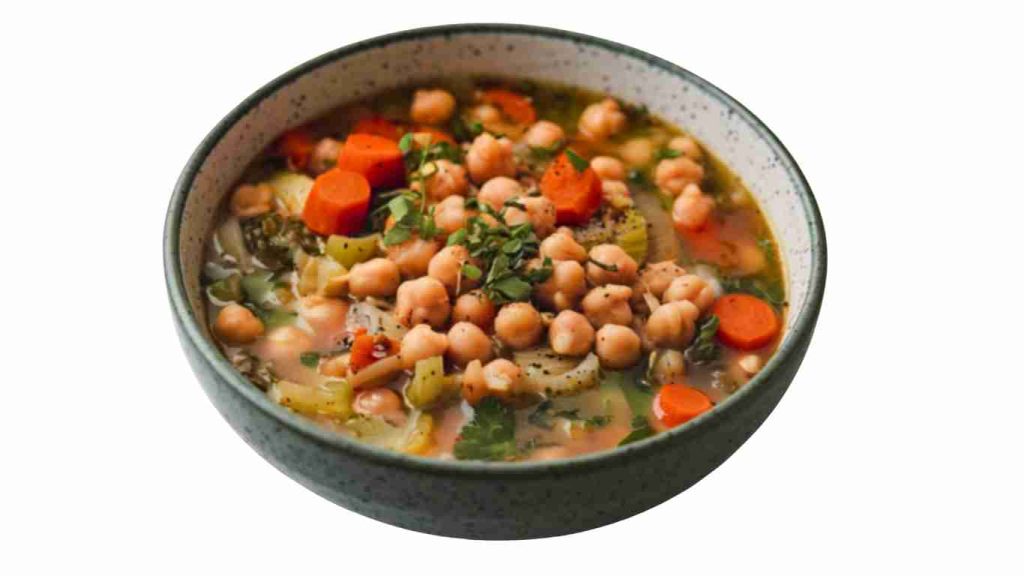
In a pot, sauté onions, garlic and your favorite spices (cumin, coriander or curry powder) in olive oil. Add canned chickpeas and broth; simmer for 10–15 minutes. Mash some beans for a creamier texture, or stir in a spoonful of cream cheese or coconut milk. For variation, include diced carrots or spinach. Top with cilantro and lime before serving. Chickpeas supply protein and fiber, making this a filling one-pot meal ready in about 20 minutes.
7. Pesto Pasta with Peas & Tomatoes
Cook whole-grain pasta (such as fusilli or penne) and frozen peas together. Drain and toss with basil pesto, halved cherry tomatoes and a squeeze of lemon. Choose a light pesto (or use less oil) to keep calories in check. You can add grilled chicken or tofu for extra protein. This vibrant pasta salad comes together in about 15 minutes and is high in fiber from whole grains and peas, plus healthy fats from the pesto.
8. Rainbow Chopped Salad with Chickpeas
Combine chopped lettuce, cucumber, tomatoes, bell peppers, red onion and rinsed chickpeas in a large bowl. Add other colorful veggies like grated carrots, radishes or beets for variety. Toss with a simple vinaigrette (olive oil and vinegar or lemon juice). Every forkful is loaded with fiber, plant protein and antioxidants. To boost nutrition and flavor, top with a sprinkle of feta or avocado, or add olives for extra taste.
9. Lemon-Tuna Orzo Salad
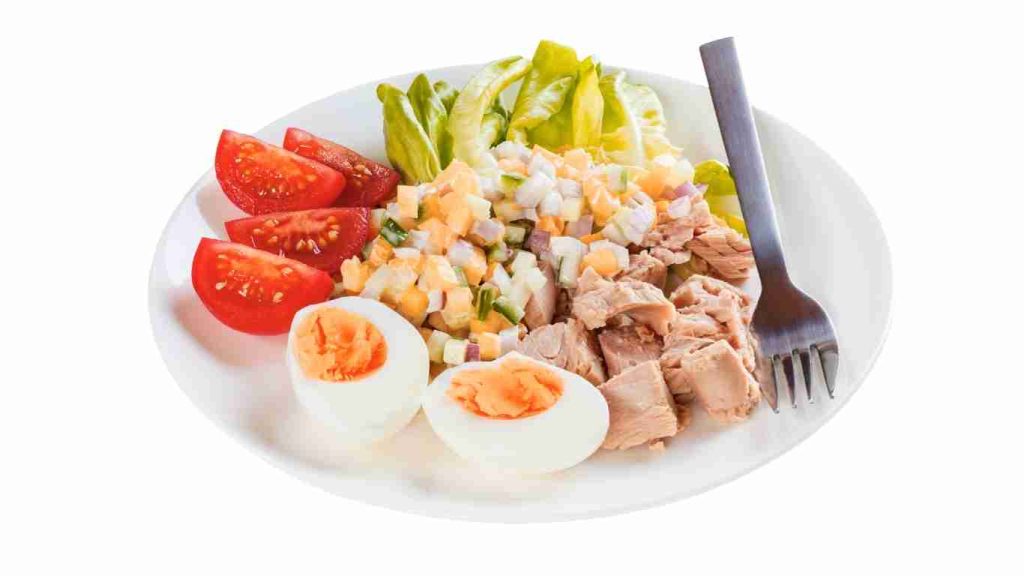
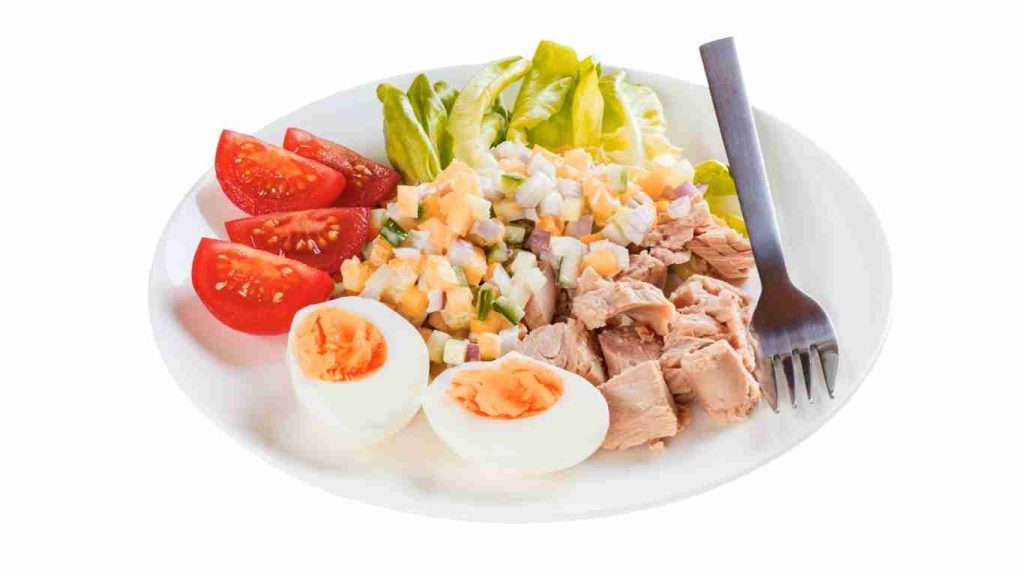
Mix cooked whole-grain orzo (or a similar grain like farro or barley) with drained canned tuna, steamed broccoli florets and sliced olives. Drizzle with olive oil, lemon juice, and season with dill or parsley. This cool salad is rich in omega-3s from tuna and vitamin C from broccoli. It only takes about 20 minutes to prepare, and leftovers keep well for a quick next-day meal.
10. Shrimp, Rice & Peas Skillet
Sauté peeled shrimp with garlic and olive oil in a pan until just pink. Stir in leftover brown rice and frozen peas, and cook until heated through. Finish with a squeeze of lime, chopped cilantro, and a pinch of chili flakes if you like heat. Shrimp provides lean protein and key minerals like selenium, while peas add fiber. All together it’s a light, well-rounded dinner that comes together in one pan.
11. Chicken Hummus Bowl
Spread a layer of hummus on a plate or in a shallow bowl, and top with warm grilled chicken slices, cherry tomatoes, cucumber and olives. Drizzle extra lemon juice and olive oil for flavor. Serve with a side of whole-grain pita or brown rice. The hummus contributes plant protein and fiber (from chickpeas), and the chicken adds lean protein. This Mediterranean-inspired bowl is hearty yet low in saturated fat, and you can customize the veggies to your liking.
12. Peanut Chicken Zucchini Noodles
Spiralize zucchini into noodles (or buy pre-spiralized). Stir-fry the zucchini noodles with strips of chicken and a quick peanut sauce (peanut butter, soy sauce, garlic, and a dash of lime). Add grated ginger and chili flakes for extra flavor. The peanut sauce provides protein and healthy fats, while zucchini noodles keep calories low and add vitamin A. Zoodles cook in just a few minutes; be careful not to overcook them. This Thai-inspired dish is ready in about 20 minutes.
13. Grilled Chicken with Peaches & Brie
Grill or pan-sear a chicken breast and top it with thin slices of fresh peach and a small piece of brie cheese. Serve with a handful of arugula or spinach dressed lightly with olive oil. The sweet and savory combo is delicious: the peaches add fiber and vitamin C, while the small amount of brie supplies calcium. Drizzle a little balsamic vinegar to finish. This elegant meal feels luxurious yet stays under 400 calories per serving, and it pairs well with a cucumber or tomato salad.
14. Ricotta-Stuffed Portobello Mushrooms
Remove stems from large Portobello mushroom caps and fill with a mixture of part-skim ricotta, chopped spinach, garlic and Italian herbs. Top with a sprinkle of breadcrumbs or parmesan for a crust. Bake until tender. These stuffed mushrooms deliver calcium (from ricotta) and fiber, with a savory taste. Serve with a side salad – it’s a vegetable-forward, high-protein dinner that’s also vegetarian-friendly.
15. Pan-Seared Cod with Snow Peas & Herb Sauce
Pat cod fillets dry and dust lightly with flour. Pan-sear in olive oil until golden, then squeeze lemon over the fish. Meanwhile, sauté snow peas or snap peas in the same pan until crisp-tender. Make a quick sauce of plain yogurt mixed with chopped fresh herbs (dill or parsley) and lemon zest. Serve the fish and peas drizzled with this tangy sauce. Cod is a lean white fish high in protein, and the peas add fiber and vitamin K. This dinner is very light (around 300–350 calories) but feels fresh and gourmet thanks to the herbs and citrus.
Conclusion
These 15 low-calorie healthy dinners show that nutritious, satisfying meals can be quick and enjoyable. By focusing on lean proteins, whole grains and plenty of vegetables, seniors can meet their nutritional needs without excess calories. As experts advise, older adults should “make every calorie count” by choosing nutrient-packed foods. MyPlate guidelines emphasize variety and limiting added sugars, saturated fat and sodium. These dinner ideas follow that advice by filling the plate with vegetables, lean proteins and whole grains. Rotate these recipes throughout the week to keep meals interesting.
Consistently choosing such nutrient-rich dinners helps maintain energy and health over the long run. If you enjoyed these recipes, share this article on social media or comment below with your own favorite quick healthy dinners for seniors. For more nutrition tips, check MyPlate.gov and the USDA’s Dietary Guidelines for the latest guidance on healthy eating. MyPlate even offers sample meal plans and tips for older adults, which can complement these dinner ideas.
Frequently Asked Questions
Q: Why are low-calorie dinners good for healthy aging?
A: As people age, their metabolism and muscle mass tend to decrease, which means their daily calorie needs are lower. However, nutritional needs remain high. Low-calorie dinners can help seniors maintain a healthy weight while still getting essential nutrients like protein, fiber and vitamins. This balance of nutrients and calories helps prevent weight gain and supports overall health in older age.
Q: What should I include in a healthy dinner for seniors?
A: A balanced senior-friendly dinner typically includes lean protein (chicken, fish, beans), high-fiber vegetables, and whole grains or legumes. It should also provide enough calcium and vitamin D for bones (via dairy or fortified alternatives) and healthy fats (olive oil, nuts) for heart health. Limiting salt, added sugar and saturated fat is important for aging hearts and blood pressure. Use herbs, spices and citrus to boost flavor without extra sodium.
Q: How can I make dinners quick and easy for an older adult?
A: Meal planning is key. Choose recipes labeled as 30-minute healthy dinners or quick healthy dinners for seniors. Use shortcuts like pre-chopped vegetables, canned beans, or pre-cooked rotisserie chicken. Cook in batches when you have time; freeze or refrigerate portions. One-pot or sheet-pan meals (like roasted chicken with veggies) cut down on prep and cleanup. Kitchen appliances like slow cookers or Instant Pots can help too: for example, toss ingredients in the morning and have dinner ready later with minimal effort.
Q: Can eating low-calorie dinners help with health issues in older adults?
A: Yes. Many health problems like weight gain, hypertension and type 2 diabetes can be managed by eating fewer calories and focusing on nutrients. These dinners feature vegetables, whole grains and lean protein, which help control blood sugar and cholesterol levels. For example, the fiber in veggies and beans slows glucose absorption, and cooking methods like baking instead of frying reduce extra fat. Together, these habits support overall health and a healthy weight as you age.
Q: How many calories should a senior dinner contain?
A: It depends on total daily needs. Roughly, dinner might be ~30–35% of daily calories. For example, a woman over 60 may need ~1,600 calories/day, so a dinner of about 500–600 calories (rich in veggies and protein) is reasonable. Using a smaller plate can help control portions. Focus on nutrient-dense foods rather than empty calories.
Q: How can I adapt these recipes for dietary restrictions (like diabetes or low-sodium needs)?
A: Most of these dinners can be modified. Use herbs, spices, lemon and vinegar instead of salt to reduce sodium. Swap sugary sauces for fresh flavors or low-sodium versions. For diabetes, emphasize non-starchy vegetables and monitor portion sizes of grains or starchy sides. Choose whole grains with more fiber to blunt glucose spikes. If needed, consult your doctor or dietitian for personalized adjustments.
Q: Are these dinner recipes budget-friendly?
A: Yes. Many use affordable staples like canned beans, tuna or whole grains and seasonal vegetables. Buying in bulk and cooking larger portions can cut costs. Planning meals around sale items and using leftovers also helps you stick to a budget. For example, dried beans, frozen veggies, and store-brand grains offer good nutrition for less money.
Q: What is a healthy dessert option for seniors?
A: Choose something light and nutrient-rich. Fresh fruit (like berries or baked apple) or a bowl of Greek yogurt with honey and berries are good choices. Even a small piece of dark chocolate can satisfy a sweet tooth in a healthier way, adding antioxidants instead of refined sugar.
Q: Are these dinner recipes suitable for all dietary needs?
A: They are general ideas, but you can adjust them. Most of the recipes are naturally low in dairy and gluten or can be modified (use gluten-free pasta or omit cheese for lactose-intolerance). They are largely vegetable- and protein-based, so they fit many diet plans. For special conditions (e.g. severe kidney issues), consult a healthcare provider about specific needs.