

Walking is one of the easiest and most effective ways to stay healthy. It is a simple physical activity that people of all ages can do without any special equipment or gym membership. Just a daily walk can bring many health benefits and improve overall well-being.
Walking helps keep the heart strong, improves blood circulation, and supports healthy weight loss. It also strengthens muscles and bones, controls blood sugar levels, and boosts energy naturally. Along with physical benefits, walking is excellent for mental health because it reduces stress, improves mood, and helps clear the mind.
Many people wonder about the best time to walk for health benefits. A morning walk is ideal for increasing metabolism, improving focus, and starting the day with fresh energy. An evening walk is helpful for reducing daily stress, improving digestion after dinner, and supporting better sleep. In the United States, where many people have busy work schedules, walking at any convenient time is beneficial.
The most important thing is not the time of day, but making walking a regular habit. Even 20 to 30 minutes of walking daily can lead to long-term health improvements. By adding walking to your daily routine, you can take a simple step toward a healthier and more active life.
Walking for Heart Health
Walking plays a key role in improving heart health and reducing the risk of cardiovascular disease. According to the Centers for Disease Control and Prevention (CDC), heart disease is the leading cause of death in the United States, but regular physical activity like walking can significantly lower this risk.
Brisk walking for at least 30 minutes a day helps reduce high blood pressure, lower bad cholesterol, and improve overall heart function. Studies show that adults who walk regularly can reduce their risk of heart disease by up to 30%. Walking also helps control weight and blood sugar levels, which are closely linked to heart health.
In the USA, where many people lead sedentary lifestyles, adding walking to daily routines—such as walking during breaks or after meals—can make a major difference. Consistent walking is an easy, affordable, and effective way to protect the heart and improve quality of life.
Walking and Weight Loss

Walking is one of the most accessible exercises for weight loss, especially in the United States where sedentary lifestyles are common. According to health experts, walking at a brisk pace for 30 minutes can burn between 150 to 300 calories, depending on body weight and speed.
Regular walking helps improve metabolism and supports fat burning, particularly when done consistently. Studies suggest that adults who walk daily are more likely to maintain a healthy weight and reduce the risk of obesity-related conditions such as heart disease and type 2 diabetes.
Incorporating walking into daily routines—such as walking after meals, during lunch breaks, or instead of driving short distances—can significantly support long-term weight loss. Walking is a simple, low-cost, and effective solution for managing weight and improving overall health.
Benefits of Walking for Mental Health
Walking plays an important role in supporting mental health, especially in the United States where stress, anxiety, and depression affect millions of people. Health experts report that regular physical activity, such as walking, can significantly reduce symptoms of mental health disorders.
Walking helps lower stress hormones like cortisol while increasing endorphins, which improve mood and reduce anxiety. Studies suggest that adults who walk regularly experience lower levels of depression and better emotional well-being. Even 20 to 30 minutes of walking a day can have a positive impact on mental health.
In the U.S., where many people spend long hours sitting and using digital devices, walking offers a simple way to reset the mind. Whether it’s a morning walk, a lunch break walk, or an evening walk, consistent walking can improve focus, emotional balance, and overall mental wellness.
Walking for Diabetes Control
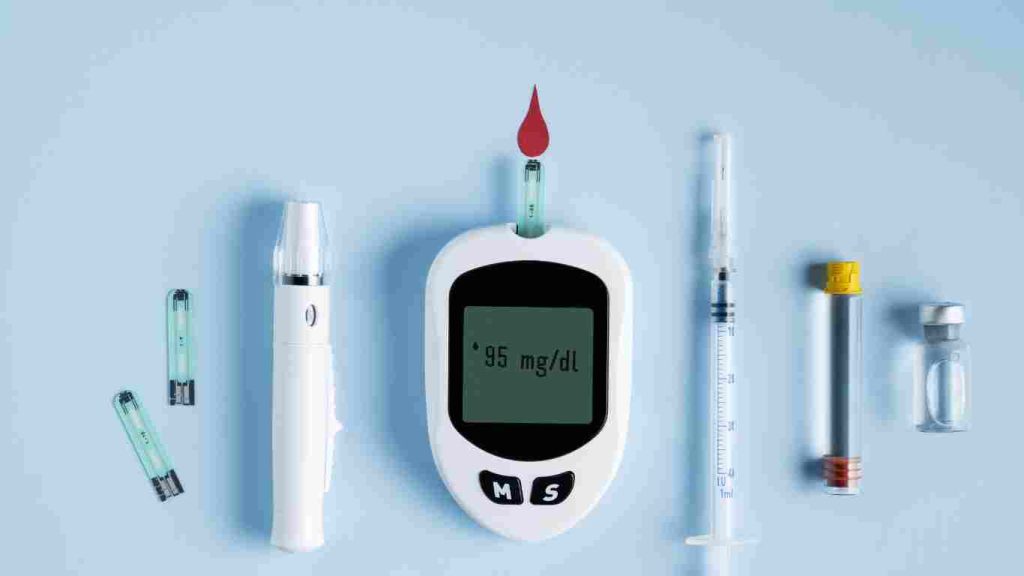
Walking is one of the most recommended physical activities for diabetes control in the United States, where millions of adults live with type 2 diabetes or prediabetes. Health experts emphasize that regular physical activity, such as walking, can significantly improve blood sugar management.
Studies show that walking for 30 minutes a day helps lower fasting blood glucose levels and improves insulin sensitivity. Walking after meals can reduce post-meal blood sugar spikes by up to 30%. Regular walking also helps reduce the risk of diabetes-related complications such as heart disease and nerve damage.
In the U.S., where sedentary lifestyles and high sugar intake are common, walking offers a simple and affordable way to manage diabetes. Consistent daily walking can greatly improve blood sugar control and long-term health outcomes.
Walking for Strong Bones and Muscles
Walking plays an important role in maintaining strong bones and muscles, especially in the United States where osteoporosis affects millions of adults. Health experts recommend weight-bearing exercises like walking to help slow bone loss and improve muscle strength.
Regular walking strengthens leg muscles, improves joint support, and enhances balance. Studies show that adults who walk consistently have better bone density and a lower risk of fractures. Walking also helps older Americans maintain independence by reducing fall risk and improving mobility.
In a country with an aging population, walking offers a simple, low-cost, and effective way to support bone and muscle health. Just 30 minutes of walking a day can help protect bones and keep muscles strong.
Walking and Digestive Health
Walking plays an important role in maintaining good digestive health. A gentle walk after meals helps stimulate digestion by encouraging food to move through the stomach and intestines more efficiently. This can prevent common digestive problems such as bloating, gas, and constipation.
Walking after eating also helps regulate blood sugar levels and reduces pressure on the digestive system. It improves gut movement, which supports regular bowel function and better nutrient absorption. Unlike intense exercise, light walking is safe and beneficial immediately after meals.
Making a habit of walking for 10 to 20 minutes after meals can improve digestion, reduce discomfort, and support overall gut health naturally.
Walking to Boost Immunity
Walking plays an important role in boosting immunity, especially in the United States where lifestyle-related stress and inactivity can weaken immune function. Health experts recommend moderate physical activity, such as walking, to support immune health.
Studies show that adults who walk regularly experience fewer upper respiratory infections and stronger immune responses. Walking improves circulation, reduces inflammation, and helps the body respond better to illness. Even 30 minutes of walking a day can significantly improve immune strength.
In a busy American lifestyle, walking offers a simple, low-cost, and effective way to stay healthy. Consistent daily walking can help prevent illness and support a stronger immune system.
Walking for Better Sleep
Walking plays an important role in improving sleep quality, especially in the United States where sleep disorders and insomnia affect millions of adults. Health experts recommend regular physical activity, such as walking, to support healthy sleep patterns.
Studies show that adults who walk regularly fall asleep faster and experience deeper sleep. Walking helps reduce stress hormones and supports the body’s natural sleep-wake cycle. Even 20 to 30 minutes of walking a day can help improve sleep quality and reduce insomnia symptoms.
In a fast-paced American lifestyle filled with screen time and stress, walking offers a simple, low-cost, and effective solution for better sleep. Consistent daily walking can lead to healthier sleep and improved overall well-being.
Morning Walk vs Evening Walk
In the United States, where many people have busy work schedules, choosing the best time to walk often depends on daily routine. Both morning and evening walks offer important health benefits and can improve overall well-being.
Morning walks help kick-start metabolism, improve mental focus, and support weight loss. They also expose the body to natural sunlight, which helps regulate the sleep-wake cycle. Evening walks help reduce stress, improve digestion, and promote relaxation after long work hours.
Health experts agree that consistency matters more than timing. Whether you choose a morning walk or an evening walk, regular walking helps improve heart health, mental well-being, and overall fitness.
How Much Walking Is Enough?
In the United States, health organizations recommend regular walking as an easy way to stay active. For most adults, 30 minutes of moderate walking per day is enough to gain significant health benefits. This equals roughly 7,000 to 10,000 steps daily, depending on pace.
For beginners or inactive individuals, starting with 10–15 minutes of walking and slowly increasing time is recommended. Walking can be split into shorter sessions throughout the day, such as during lunch breaks or after meals.
With busy American lifestyles, walking offers a flexible and affordable way to meet daily physical activity goals. Staying consistent is more important than reaching a perfect step count.
Walking for Different Age Groups
Walking offers important health benefits for all age groups in the United States. For children, regular walking supports physical development, improves concentration, and helps prevent childhood obesity. Encouraging walking at a young age builds healthy habits for the future.
For adults, walking helps manage weight, reduce stress, and lower the risk of lifestyle-related diseases. For older Americans, walking plays a key role in maintaining muscle strength, balance, and independence. It also reduces the risk of falls and age-related health issues.
With an aging population and increasing screen time across all ages, walking provides a simple, low-cost, and effective way to stay active. Regular walking supports healthy aging and overall wellness for everyone.
| Age Group | Benefits of Walking | Tips / Recommendations |
| Children | Develops strong bones and muscles, improves fitness, supports healthy growth, boosts mental focus | Encourage daily play walks, walk to school, family walks |
| Adults | Helps control weight, reduces stress, lowers risk of heart disease & diabetes, improves mood | Aim for 30 mins daily, use brisk pace, walk during breaks |
| Older Adults | Strengthens muscles, improves balance, reduces risk of falls, maintains independence | Use supportive shoes, walk on flat surfaces, start slow and increase gradually |
Outdoor Walking vs Treadmill Walking

Walking is a popular exercise in the United States for maintaining heart health, fitness, and overall well-being. Outdoor walking provides exposure to sunlight, which boosts vitamin D levels, fresh air for respiratory health, and varied terrain to improve balance and coordination. Walking outside can also improve mental health by reducing stress and increasing happiness.
Treadmill walking is ideal for Americans with busy schedules or those living in areas with extreme weather. Treadmills allow you to adjust speed, track distance, and safely walk indoors while maintaining consistent exercise routines. Both outdoor and treadmill walking improve heart health, burn calories, and strengthen muscles.
In summary, both are excellent options. Combining outdoor and treadmill walking can provide variety, convenience, and consistent health benefits.
Comparison Table: Outdoor vs Treadmill Walking
| Feature | Outdoor Walking | Treadmill Walking |
| Environment | Fresh air, sunlight, nature | Indoor, controlled environment |
| Terrain | Varied, improves balance and coordination | Flat or adjustable incline |
| Mental Health | Reduces stress, improves mood | Reduces stress, consistent environment |
| Convenience | Weather dependent, requires planning | Weather-proof, can be done anytime |
| Intensity Control | Pace varies naturally | Easily adjustable speed and incline |
| Vitamin D & Sunlight | Yes | No |
Walking as a Lifestyle Habit
In the United States, where sedentary lifestyles are common, making walking a daily habit is essential for health. Walking regularly supports heart health, weight management, mental wellness, and stronger bones and muscles.
To adopt walking as a lifestyle, start with realistic goals—10 to 15 minutes after meals, a walk during lunch breaks, or parking farther from entrances. Use step counters or smartphone apps to track progress and stay motivated. Walking with friends or family, or exploring local parks and trails, can make the activity more enjoyable.
Consistency is key. Even small amounts of walking daily provide significant health benefits over time. By making walking a habit, Americans can reduce stress, improve cardiovascular and mental health, and live a more active lifestyle.
Conclusion
Walking is a simple, natural, and effective way to improve overall health. From strengthening the heart and muscles to boosting immunity, digestion, mental health, and sleep, daily walking offers benefits for people of all ages. Whether you prefer a morning stroll, an evening walk, or a mix of outdoor and treadmill walking, consistency is key.
By making walking a daily habit—even for just 20 to 30 minutes—you can enjoy a healthier, happier, and more active life. Start today, take small steps, and let walking become a lifelong lifestyle for your body and mind.
Frequently Asked Questions (FAQs)
1. How long should I walk daily for health benefits?
Most experts recommend 20–30 minutes of walking per day, which can also be split into shorter sessions.
2. Is walking better in the morning or evening?
Both times are beneficial. Morning walks boost energy and metabolism, while evening walks help reduce stress and improve sleep.
3. Can walking help with weight loss?
Yes! Regular walking burns calories, improves metabolism, and supports healthy weight management.
4. How does walking improve mental health?
Walking reduces stress, anxiety, and depression, and improves mood, focus, and overall mental well-being.
5. Is outdoor walking better than treadmill walking?
Both are effective. Outdoor walking provides fresh air, sunlight, and varied terrain, while treadmill walking is convenient, weather-proof, and allows controlled pace and incline.