Plantar fasciitis is a common source of heel pain that affects roughly 1 in 10 people at some point in life. The plantar fascia is a band of tissue along the bottom of the foot; when it’s strained by overuse or poor footwear, pain and inflammation result. Because 85% of people with plantar fasciitis worsen their pain by wearing unsupportive shoes, choosing the right sandals is crucial.
Fortunately, podiatrists emphasize that you can wear sandals – but they must have key support features. As Dr. Mark Razzante (DPM) explains, “Sandals are fine to wear if you have plantar fasciitis, but there are certain features to look out for to help support the foot”. In particular, a deep heel cup or firm heel counter is essential: it helps stabilize the rear of your foot and prevent excess strain on the inflamed ligament.
Proper footwear is the first step in managing heel pain. Podiatrists advise that sandals for plantar fasciitis should balance comfort with stability. This means contoured arch support, ample cushioning, and a solid heel cup. In fact, Dr. Anne Sharkey (DPM) notes that ideal sandals will have a “supportive, contoured arch and shock absorption with a deep heel cup that can help support your heel”.
Plantar fasciitis sufferers should avoid completely flat, floppy flip-flops, which offer no arch support or stability. Instead, look for supportive sandal designs – even a slight wedge or heel can reduce stress on the fascia. Modern “orthopedic” or foot-care sandals often incorporate these features into stylish designs.
Why Footwear Makes a Difference
Plantar fasciitis pain is driven by stress on the plantar fascia ligament. Good sandals redistribute pressure away from the heel and arch. As one podiatrist explains, contoured arch support “helps support the plantar fascia and prevents your foot from tiring out,” mimicking the support of a good sneaker. Arch support is crucial because the plantar fascia literally holds up the foot’s arch. If the arch collapses (flat foot), the fascia is overstretched. Sandals with a built-in arch cradle or raised midsole ensure that weight is more evenly distributed.
Equally important is cushioning and shock absorption. Every step sends an impact through the heel and arch; a soft midsole or padded footbed absorbs some of that force. Podiatrists note that sandals for plantar fasciitis should be “cushioned” – think memory foam, EVA or gel layers underfoot. For example, recovery slide sandals like OOFOS use ultra-soft foam that testers described as “marshmallow-y,” which provides maximum shock absorption. In practice, a sandal that feels plush and springy will lessen pain from long periods of standing or walking.
Finally, look for stability features. A deep heel cup (a raised rim around the heel) keeps your heel centered so it doesn’t wobble. This small cup prevents unwanted side-to-side motion and holds the heel in place . Many doctors also recommend sturdy ankle straps or adjustable closures. Straps keep the foot from sliding forward (which can strain the fascia), and allow a snug fit. In fact, Dr. Bruce Pinker advises picking “sandals with straps” since completely strapless sandals “have limited support”. Crucially, the sole of a quality sandal should flex only at the toes; it should not twist in the middle. A bendable-but-not-floppy sole gives some freedom of movement without letting the arch collapse.
Key Features to Look For
- Contoured Arch Support. A molded footbed that matches the curvature of your arch takes pressure off the plantar fascia. Many orthopedic sandals have built-in arch contours. For example, Birkenstock’s footbeds are known for arch support and metatarsal padding, which experts say helps flatten fascia stress. Choose sandals labeled “arch support” or “orthotic.”
- Deep Heel Cup/Firm Heel Counter. This is a U-shaped reinforcement around the heel. It “stabilizes the rear foot” by holding the heel in place. Look for wording like “heel cup,” “firm heel counter,” or visible raised edges around the heel. These features help absorb shocks and keep your foot properly aligned.
- Cushioning and Shock Absorption. Thick, soft midsoles (such as EVA foam, memory foam, or gel inserts) dampen heel impact. Sandals with extra padding under the ball and heel of the foot are ideal. Some recovery slides (OOFOS, Hoka Hopara) offer a “mega-cushioned” feel that relieves pressure.
- Adjustable Straps and Secure Fit. Look for ankle straps, heel straps, or multiple buckles. Adjustable Velcro or buckle straps let you lock in a customized fit. This prevents slipping, which can overwork the fascia. Podiatrists note that sandals with straps provide far better support than slip-on styles. Straps around the ankles or forefoot help distribute forces and keep your heel from sliding forward.
- Heel Height or Wedge. A small heel (about 1 inch) can actually help reduce stress on the Achilles tendon and plantar fascia. By slightly raising the heel, a wedge sandal can lessen the amount of ankle dorsiflexion (stretch) needed when walking. Many podiatrists recommend avoiding perfectly flat flip-flops; instead choose a slight wedge or platform sandal to ease tension in the calf and foot.
- Good Traction and Firm Sole. Non-slip outsoles (rubber treads) prevent slipping, which protects against ankle roll. Also, ensure the sole is not too floppy: a useful test is that it should fold only at the toes, not twist in the middle. A sandal that is rigid enough underfoot will provide a stable base.
These features combine to make a sandal good for plantar fasciitis. In summary, podiatrists agree that the best sandals have contoured arch support, cushioning, a firm heel support system, and secure straps.
Podiatrist-Recommended Sandal Styles
With the above features in mind, many modern sandals on the market are designed specifically for foot pain relief. Below are some of the top styles and brands often cited by foot specialists and testers:
- Birkenstock (Classic Footbed Sandals): Birkenstock’s cork footbeds are a favorite among podiatrists. They mold to your feet over time, offering customized support. The Arizona Soft Footbed model, in particular, has an extra foam layer for more cushioning and a deep heel cup. Experts note Birkenstocks’ “cork, cushioned footbed with built-in arch support” and their raised edges that “keep feet in place”. Birkenstocks are regularly recommended as a top choice for plantar fasciitis and walking comfort.
- Vionic Sandals: Vionic (formerly Orthaheel) makes many supportive flip-flops and sandals. They are built around a podiatrist-designed orthotic footbed with strong arch support. For example, Vionic’s thongs and slides have deep heel cups and cushioned EVA midsoles. Vionic styles often appear on podiatrist lists, especially for women’s sandals, because they combine fashion with foot-care features.
- ECCO Flowt 2 Band (Best Overall): In Health’s testing, the ECCO Flowt 2 Band sandal earned Best Overall. It features a sturdy heel cup and slip-resistant sole. Testers praised its shock-absorbing platform and comfortable heel cup, exactly the qualities doctors look for. The Flowt 2 Band stays secure on the foot and offers a bit of heel lift (cushiony wedge design), making it gentle on the fascia.
- HOKA Hopara (Best for Hiking): Hokas are famed for maximal cushioning. The Hopara sandal has thick foam soles and extra padding under the arch. Podiatrists like HOKA for plantar fasciitis because of this plush underfoot feel. In fact, several doctors specifically mentioned HOKA shoes for their cushion. Hopara sandals are a good option for walking or light hiking, providing both grip and “marshmallow-y” softness.
- Teva Sandals (Terra Fi, Zymic, ApreTrail): Teva’s outdoor sandals consistently appear on experts’ lists. Dr. Razzante specifically recommended Tevas for their firm heel counter design. Models like the Terra Fi 5 have contoured midsoles and adjustable straps. The ApreTrail slides offer cushioning and traction. Teva sandals generally combine a secure strapping system and rugged soles (good for outdoor support) with a modest heel cup for stability. They’re unisex and come in women’s versions with similar support.
- OOFOS OOlala (Best Recovery Slide): OOFOS makes recovery slides that are ultra-soft. The OOlala slide, for example, has an OOfoam footbed that absorbs 37% more impact than a typical shoe sole. Reviewers described it as “mega cushioned” and “marshmallow-y”. These slides have no hard edges – the heel cup is low but the foam cradles the foot. They’re great for post-walk recovery or short outings when all-out cushioning is needed. Note, though, that OOFOS slides are quite soft and may not be ideal for long walks (they performed best for standing/sitting support).
- Birkenstock Mogami (Best for Flat Feet): For those with flat arches, Birkenstock’s Mogami is a newer, more supportive version of their classic cork footbed. It has a raised arch and deep heel cup. It’s been recommended specifically for flat feet sufferers. The contouring of the Mogami can help prevent collapse of the arch and alleviate tension on the plantar fascia.
- Vionic and FitFlop for Women: There are many women’s sandal brands now built around foot-health. Vionic’s ladies’ flip-flops and wedge sandals come in cute, summery styles yet retain orthotic footbeds. FitFlop offers fashion-forward sandals with “Microwobbleboard” cushioning technology. Both brands explicitly market to people with foot pain and have APMA approval on many models. These sandals are examples of “cute sandals for plantar fasciitis” – you can get stylish straps or wedges without sacrificing support.
- Skechers Arch Fit Sandals: Skechers’ Arch Fit line (which includes some sandals and clogs) features a certified podiatrist-designed footbed. The Skechers Women’s Arch Fit sandals have foam soles and memory foam cushioning. Fans note they provide a soft, supportive base. As one product blurb puts it, Skechers sandals can be an “excellent choice for those suffering from plantar fasciitis,” thanks to their arch contours and slip-on comfort. (While we cite Health/Prevention for authority, many real-world PF sufferers find Skechers helpful.)
- Other Brands: Other popular supportive sandal brands include OluKai (known for arch-supportive beach sandals), Merrell, Clarks (Arla Glide flip-flop), and Orthaheel (Vionic). Many offer specific styles with reinforced straps and contoured footbeds. The key is looking for their PF-friendly features, not necessarily brand alone.
Tips for Women’s Sandals
Many of the above recommendations are unisex or available in women’s versions, but it’s worth highlighting women-specific picks. Women with plantar fasciitis shouldn’t sacrifice style – plenty of women’s supportive sandals exist. For example, Birkenstock’s low-heel wedge or closed-toe designs (like Yara) offer support in a dressier package. Vionic has women’s strappy sandals and wedge heels with the same footbed technology. FitFlop often releases seasonal “cute” sandals or slides with flip-flop looks but built-in arch support. Even sporty slides from OOFOS and Hoka now come in feminine colors.
When shopping, use filters like “women’s plantar fasciitis sandals” or check doctor-recommended lists specifically labeled for women’s styles. Remember: “ best sandals for plantar fasciitis ” still means the same support criteria – arch support, cushioning, and stability – as for men’s sandals.
Choosing the Right Size and Fit
Even the best sandal can fail if it doesn’t fit properly. Ill-fitting straps or footbeds can cause blisters or alter your gait. Always measure your foot and try sandals on at the end of the day (when feet are slightly swollen). Ensure your heel sits fully in the heel cup and your arch rests on the contour.
Adjustable straps should feel snug but not tight. If you have wider feet, look for wide options or stretch fabric straps to avoid pinching. In many of our sources’ testing, fit was as important as the shoe’s design. A properly fitting sandal will let you walk comfortably without having to grip with your toes – gripping is a sign the sandal isn’t supportive enough.
Additional Support Tips
- Use Orthotic Inserts if Needed: If you find a cute sandal without enough built-in support, consider adding a slim orthotic insert (there are many for sandals/flip-flops). A heel cup pad can add stability. Just be sure the sandal has enough room to accommodate one without crowding your toes.
- Replace Worn Sandals: Over time, even cushioned sandals flatten out. Replace them when the padding feels crushed or if arch support has faded. Most brands will start to show wear after 6–12 months of daily use.
- Alternate Footwear: Even the best sandals shouldn’t be worn 24/7. Alternate with supportive shoes or sneakers, especially if you’ll be on your feet all day. This avoids overworking any one set of muscles or ligaments.
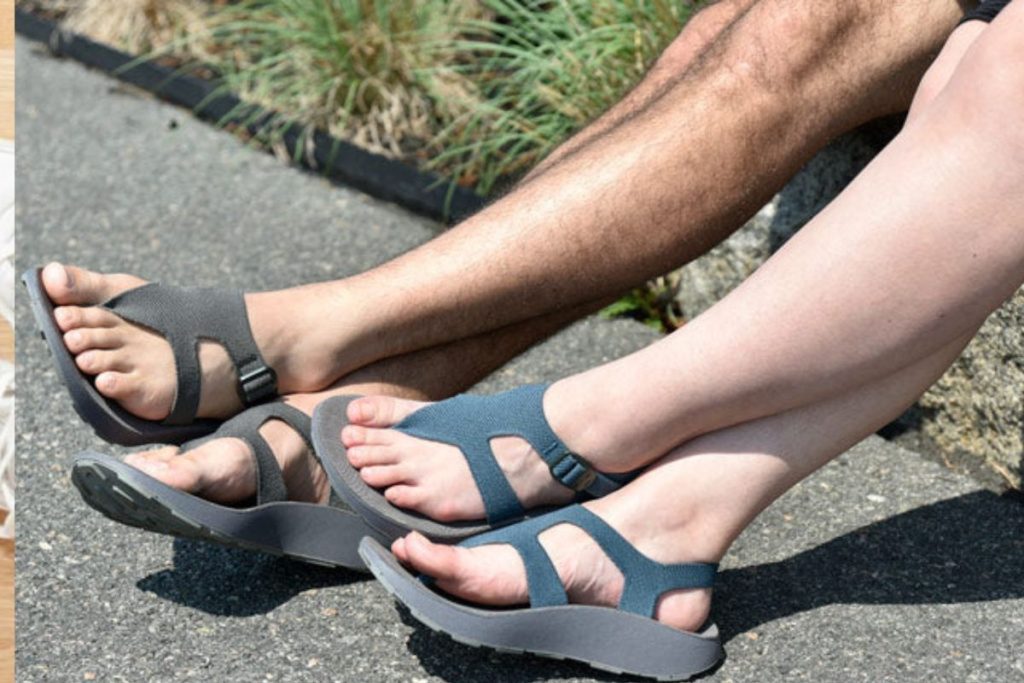
Image: Supportive Sandal Details
The figure above shows a sandal designed with an ergonomic footbed and secure straps, illustrating many of the features recommended for plantar fasciitis relief. Always look for a deep heel cup and pronounced arch curve (not visible from above) on such footwear.
Conclusion
Choosing the best sandals for plantar fasciitis means finding the right combination of support, cushioning, and comfort. With up to 10% of people suffering heel pain, it pays to invest in shoes that a podiatrist would approve. The ideal plantar fasciitis sandal will have a molded arch, a firm heel cup, adequate cushioning underfoot, and secure straps. Many tested lists highlight models like ECCO Flowt, Hoka Hopara, Birkenstocks, and Tevas for their supportive designs. Remember to try sandals on later in the day, ensure a snug fit, and avoid flimsy flats. By following these guidelines, you can enjoy stylish, even “cute sandals” without worsening your pain – many fashionable sandals now include doctor-recommended features.
If you have plantar fasciitis, stepping into a sandal that properly cushions and supports your foot can make walking pain-free again. Finding the right sandal is about comfort and alignment, not just looks. With the tips and recommendations above, you can confidently shop for sandals that podiatrists would approve. Have you tried any of these plantar fasciitis sandals? Share your experience or questions in the comments below, and feel free to share this guide with anyone who struggles with heel pain.
FAQs
Q: Can I wear sandals if I have plantar fasciitis?
A: Yes – but choose wisely. Sandals with built-in arch support, cushioning, and a firm heel cup are recommended. Podiatrists agree that supportive sandals can be worn safely. Avoid completely flat or flimsy flip-flops, as they can worsen the pain.
Q: What features should sandals for plantar fasciitis have?
A: Look for contoured arch support to hold up your foot’s arch, ample midsole cushioning for shock absorption, and a deep heel cup to stabilize the heel. Adjustable straps are also important to secure your foot. A slight heel or wedge can help reduce strain on the fascia.
Q: Which brands make women’s sandals for plantar fasciitis?
A: Many women’s sandal brands focus on foot health. Examples include Birkenstock (many styles with orthotic footbeds), Vionic (orthotic flip-flops and wedges), FitFlop, OluKai, and Skechers Arch Fit sandals. These brands combine feminine styles with the necessary arch support and cushioning.
Q: Are slides good for plantar fasciitis?
A: Some slides can be helpful, particularly if they have supportive footbeds. Recovery slides like OOFOS OOlala or Hoka slides provide thick cushioning and soft arch support, which many find very soothing. Just ensure the slide has enough structure (avoid overly flexible, flat slides). Slides with a slight heel lift are better than completely flat ones.
Q: How do I know my sandals fit properly for plantar fasciitis?
A: Your heel should sit fully in the heel cup and not hang over the edge. The arch of your foot should line up with any raised arch in the sandal. Straps (if adjustable) should be snug but not tight. Walk around to test – your foot should not slide forward or side-to-side. If the sandal allows your toes to grip or your heel to slip, it’s probably not providing adequate support. When in doubt, consult a podiatrist for a fitting or consider custom insoles in your favorite supportive sandals.
Read Last Post : Good Shoes For Bunions , Unsweetened oat milk, Best shoes for women bunions