Orange juice is a popular breakfast staple known for its bright color and sweet taste. But beyond flavor, the benefits of orange juice extend to multiple aspects of health. An 8-ounce glass typically provides over 60% of your daily vitamin C and ample folate and potassium. These nutrients support immune function, skin health, and proper nerve and muscle function. Whether freshly squeezed or 100% pure from the store, a daily glass of OJ can significantly bolster your nutrient intake. In this article, we’ll explore the surprising health benefits of drinking orange juice – from its antioxidant power to impacts on your heart, brain, and more.
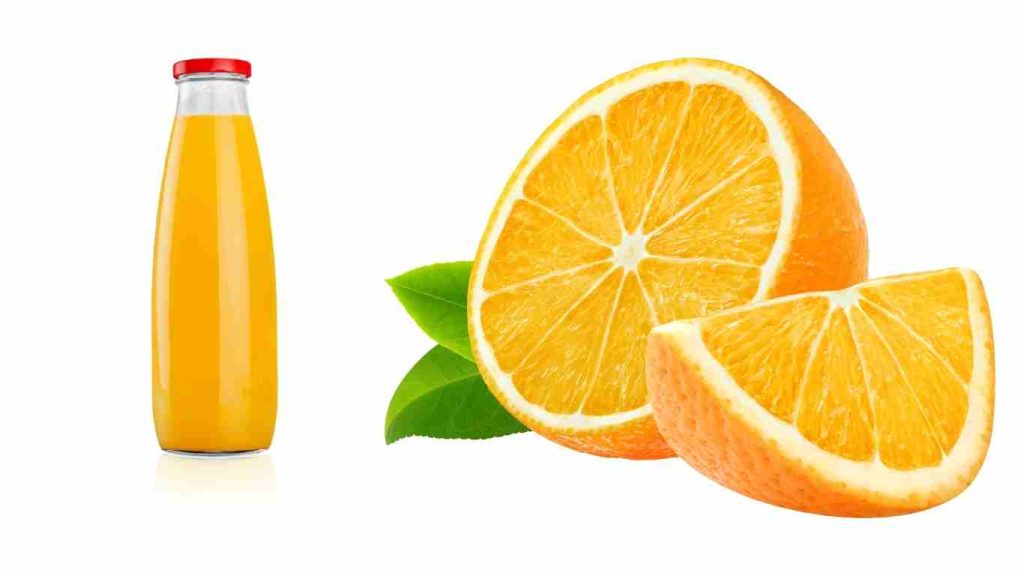
Figure: A glass of orange juice with sliced orange – rich in vitamin C and natural antioxidants. Orange juice’s vibrant color hints at its rich nutrient profile. For example, one cup (8 ounces) of orange juice supplies about 67% of your daily vitamin C needs, along with potassium and folate. Vitamin C acts as a potent antioxidant and supports the immune system, while potassium helps regulate blood pressure and prevent bone loss. These nutrients together contribute to the broad orange juice health benefits like stronger immunity and improved heart function.
Key Nutrients in Orange Juice
Orange juice is brimming with vitamins and minerals. In just one cup (240 ml), it provides:
– Vitamin C (~67% DV): Boosts the immune system and helps produce collagen for healthy skin and gums.
– Folate (~15% DV): Supports DNA synthesis and is crucial during pregnancy for fetal development.
– Potassium (~10% DV): An electrolyte that regulates blood pressure, helps maintain fluid balance, and supports nerve and muscle function.
– Other nutrients: Orange juice also contains magnesium, thiamin, and (in many brands) fortified calcium and vitamin D for bone health. Some commercial OJs even add extra calcium and D to help maintain strong bones and teeth.
Together these nutrients make orange juice a convenient way to help meet your daily fruit intake and nutrient goals. (An 8-ounce glass counts as one serving of fruit according to dietary guidelines.) In short, a morning glass of OJ can jump-start your day with a hearty dose of essential vitamins.
Powerful Antioxidants in Orange Juice
Orange juice is also rich in antioxidants that protect your cells. Antioxidants neutralize unstable molecules (free radicals) that can contribute to chronic diseases. Orange juice contains flavonoids, carotenoids, and of course ascorbic acid (vitamin C), all of which have antioxidant effects. Research shows that regular OJ consumption can significantly increase antioxidant levels in the body. In one study, drinking about 25 ounces (750 ml) of orange juice daily for 8 weeks raised participants’ blood antioxidant status markedly. Another found a 90-day regimen of 20 ounces OJ increased overall antioxidant levels in adults with high cholesterol.
By squashing free radicals, these antioxidants may reduce oxidative stress and inflammation. They’re thought to help protect against heart disease, diabetes, and even certain cancers in the long term. For instance, the flavonoid hesperidin (abundant in orange juice) has been linked to lower blood vessel inflammation and improved circulation. Vitamin C itself is a well-known immune booster and antioxidant. Overall, antioxidants in orange juice contribute heavily to its health-promoting effects.
Is Orange Juice Good for Heart Health?

Many readers wonder: is orange juice good for heart health? Studies suggest the answer is yes, when consumed in moderation. Orange juice contains heart-friendly nutrients like potassium and flavonoids. Several clinical trials report small but beneficial effects on cardiovascular risk factors. For example:
- Lower blood pressure: Regular OJ drinkers often see modest drops in systolic blood pressure (the top number). This is partly thanks to its potassium content, which helps relax blood vessels. In one trial, daily citrus juice intake reduced arterial stiffness.
- Improved cholesterol: Some research found that drinking orange juice daily reduced “bad” LDL cholesterol and raised “good” HDL cholesterol. Higher HDL helps clear arteries, while lower LDL reduces plaque build-up.
- Reduced inflammation: Chronic inflammation contributes to heart disease. Orange juice’s antioxidants and flavonoids have anti-inflammatory effects. For instance, genes linked to inflammation were down-regulated after participants drank 16 oz of OJ daily for 60 days.
Overall, a clinical review noted that habitual juice drinkers tended to have lower blood pressure and better cholesterol profiles. A doctor-scientist at Jackson Health System summarized: a daily glass of OJ “may support heart health by easing inflammation and helping blood vessels relax”. Of course, orange juice isn’t a magic cure — it’s one piece of a heart-healthy diet. But adding pure 100% OJ can complement other good choices (fruits, veggies, whole grains) to benefit your cardiovascular system.
Orange Juice and Brain Function
Emerging evidence suggests orange juice and brain function may be linked. Fruits and juices rich in flavonoids often show cognitive benefits. In particular, citrus flavanones (like those in OJ) have been studied for memory and attention. For example:
– An 8-week trial in healthy older adults found that those who drank flavonoid-rich orange juice daily scored significantly better on global cognitive tests than controls. This means memory, executive function, and processing speed improved with OJ.
– In a smaller study, middle-aged men drank a single serving of flavonoid-packed OJ. The result? Their attention, executive (decision-making) tasks, and subjective alertness all improved over the next several hours, compared to a placebo drink.
– A large observational study of nearly 28,000 men (average age ~51) followed participants for 20 years. Those who reported drinking orange juice daily were 47% less likely to report memory decline than men who drank it rarely. Only 6.9% of daily OJ drinkers developed poor cognition, versus 8.4% of infrequent drinkers.
These findings point to an intriguing pattern: regular OJ consumption may help preserve mental sharpness as we age. The nutrients and flavonoids in orange juice are thought to increase cerebral blood flow and reduce oxidative damage in the brain. While more research is needed, the current studies suggest that enjoying a glass of orange juice may give your brain a healthy boost over time.
May Reduce Kidney Stone Risk
Another surprising health benefit of orange juice is improved kidney health. Studies show that drinking citrus juices can make urine less likely to form stones. Orange juice increases urinary pH (making it more alkaline) and citrate levels, both of which hinder stone formation. For instance, one large study of 194,095 people found that those who drank orange juice at least once per day had a 12% lower risk of developing kidney stones compared to people drinking it less than once a week. In fact, daily OJ drinkers had a 12% risk reduction[20]. A small trial even showed OJ was more effective than lemonade at reducing stone-promoting factors in urine.
In practical terms, if you’re prone to kidney stones, swapping some drinks for orange juice could help. The citrate in OJ naturally binds calcium and reduces the mineral buildup that forms stones. Between improving hydration (OJ is mostly water) and providing citrate and potassium, a glass a day can be a simple way to protect your kidneys.
Orange Juice and Skin Health
It might surprise you, but orange juice can even support skin health. A glass of OJ provides vitamin C and carotenoids (color pigments), both known to benefit skin. Vitamin C is crucial for collagen synthesis – the protein that keeps skin firm and elastic. Clinical trials back this up: one 10-week study found that women who drank 12 oz (about 355 ml) of 100% OJ daily had noticeably fewer forearm wrinkles than before. Though it was a small pilot trial, results showed a significant reduction in skin roughness and wrinkle depth.
Nutrition-wise, OJ’s antioxidants can protect the skin from damage. The pigments in orange juice may help shield against UV rays and oxidative stress. The Florida Citrus Council notes that the nutrients and antioxidants in 100% OJ can help maintain healthy skin. In short, the vitamin C, water, and plant compounds in orange juice may leave your skin looking brighter and more hydrated. It’s not a substitute for sunscreen or skincare, but it’s a tasty way to nourish your skin from the inside out.
Orange Juice vs. Whole Oranges
How does that glass of OJ compare to eating a whole orange? The two are similar in vitamins, but differ in fiber and sugar. An 8-ounce glass of 100% orange juice has about twice the calories and sugar of one medium orange, with almost no fiber. For example, one cup of OJ contains ~110 calories, ~25g carbs (mostly natural sugar), and only 0.5g fiber. In contrast, a medium orange has ~62 calories, ~15g carbs, and 3g fibe.
Fiber makes whole fruits more filling and slows sugar absorption. Without it, juice can raise blood sugar faster. Dietary guidelines consider ½ cup of 100% orange juice (4 oz) as one serving of fruit, but they warn that juice “isn’t as filling as whole fruits” and has more calories. In practice, enjoy both: juice delivers nutrients quickly and is convenient year-round, while whole oranges give you fiber and chew. If you drink orange juice, pairing it with a protein or fiber source (like oatmeal or a nut butter) can help keep you satisfied and your blood sugar steady.
In summary, orange juice vs whole oranges: juice offers a concentrated dose of vitamin C and antioxidants, while whole oranges provide satiety and fiber. Both count toward your fruit intake, but balance them wisely.
Recommended Intake & Moderation
How much orange juice is healthy to drink? Moderation is key. Even 100% orange juice contains natural sugar. Experts typically recommend limiting fruit juice to about 4–8 ounces (½–1 cup) per day. For example, the American Heart Association counts 4 oz of 100% juice as one fruit serving, but notes that juice has extra calories and little fiber[7]. Drinking more than this can quickly add up: a large glass of orange juice (12 oz) can be nearly 1½ servings of fruit and 165+ calories.
To get the most benefit: choose 100% pure OJ with no added sugars. Opt for fresh-squeezed or chilled without additives. Some juice brands add extra calcium and vitamin D, which can be a bonus, but don’t rely on juice for all your nutrient needs. It’s best to balance OJ with whole fruits, vegetables, and proteins throughout the day. This way you enjoy the benefits of orange juice (vitamins, hydration, antioxidants) while still getting enough fiber and keeping calories in check. If you have specific conditions like diabetes, talk to your doctor about the right amount for you.
FAQs
- Is orange juice good for heart health? Yes – in moderation, orange juice can support cardiovascular health. Studies show that the potassium and flavonoids in 100% OJ help lower blood pressure and improve cholesterol levels. One clinical review found that regular orange juice drinkers had modest drops in systolic blood pressure and higher HDL (“good”) cholesterol. However, OJ should complement (not replace) other heart-healthy habits like eating vegetables and exercising.
- How much orange juice is healthy to drink per day? Aim for about 4–8 ounces daily (½–1 cup) as part of your fruit intake. This provides beneficial nutrients without too much sugar. Drinking more than 8 ounces may spike blood sugar and add extra calories. Always choose 100% orange juice with no added sugars. Pairing juice with meals can help mitigate blood sugar effects.
- How does orange juice compare to eating whole oranges? Whole oranges and orange juice offer similar vitamins (especially vitamin C and folate). The key difference is fiber and sugar. Eating an orange gives you fiber, fewer calories, and slower sugar absorption. A glass of juice has more sugar and almost no fiber. For best health, enjoy both: juice for convenience and hydration, and whole oranges for fullness and fiber.
- Can orange juice boost brain function or memory? Studies suggest it might. Orange juice is rich in flavonoids that can enhance blood flow to the brain. Clinical trials found that elderly adults who drank OJ daily had better cognitive scores than controls. Other research showed improved attention and psychomotor function after a single OJ serving. A long-term study also linked daily juice intake to a lower risk of memory decline. So, a daily glass may help keep your mind sharp.
- What antioxidants are in orange juice? Orange juice is loaded with antioxidants such as vitamin C, flavonoids (like hesperidin), and carotenoids. These act as free-radical scavengers. Research shows that regular OJ consumption significantly raises antioxidant levels in the blood. These compounds contribute to reducing inflammation and protecting cells throughout the body.
Eating an Apple a Day for Heart Health: Benefits for a Stronger Cardiovascular System
Conclusion
Drinking a daily glass of orange juice can be a delicious way to boost health. It delivers essential vitamins (especially vitamin C), minerals, and antioxidants that support your immune system, heart, brain, skin, and even your kidneys. While juice is no substitute for a balanced diet rich in whole fruits, vegetables, and fiber, it is a convenient source of nutrients – especially when you’re short on fresh produce. Just remember: enjoy orange juice in sensible portions (4–8 oz/day) and choose 100% pure juice.
What do you think? Have you experienced any of these orange juice benefits yourself? Share your thoughts below – and if you learned something new, share this article with friends and family who love their morning glass of OJ. Cheers to your health!