Exosome serum is the buzzword of 2025 in the beauty world – a breakthrough skincare trend that has enthusiasts and experts alike excited. Often dubbed “microneedling in a bottle” on social media, this innovative serum claims to rejuvenate skin at the cellular level. From TikTok influencers to dermatologists, everyone is talking about exosome serums and their potential to transform your complexion.
So, what exactly is an exosome serum and why is it creating such a stir? In simple terms, exosome serums harness tiny messenger particles derived from cells to repair and renew the skin. Beauty enthusiasts are raving about its anti-aging promises – boosting collagen, fading dark spots, calming inflammation, and giving skin a youthful glow. At the same time, some skincare experts urge caution, noting that while the exosome skincare trend shows promise, it’s still a relatively new frontier.
In this article, we’ll break down everything you need to know about exosome serums. You’ll learn what exosomes are and how they work in skincare, the benefits of exosome serum treatments, and why it’s considered the breakthrough skincare trend of 2025. We’ll also compare exosome vs. stem cell serum technologies, highlight the best exosome serums of 2025, and answer frequently asked questions. Let’s dive into this cutting-edge trend that’s changing the skincare game.
What Is an Exosome Serum?
To understand exosome serums, it helps to know what exosomes are. Exosomes are extremely tiny vesicles (think of them as nano-sized bubbles) released by cells as a way to communicate. Packed inside each exosome are proteins, growth factors, and genetic material that carry instructions from one cell to another. In essence, an exosome is like a microscopic delivery truck ferrying important signals between cells. When used in skincare, these signals can prompt skin cells to behave in a more youthful, regenerative way.
An exosome serum is a skincare product formulated with exosomes as a key active ingredient. These exosomes are typically obtained from regenerative cell sources and then added to serums or creams. There are a few different sources for exosomes in skincare:
- Human cell-derived exosomes: Often taken from mesenchymal stem cells, platelets, or skin cells grown in labs. These are prized for containing human growth factors that “speak the same language” as our skin. Human-derived exosomes are used in many high-end serums and are believed to most closely mimic the signals our own cells use for repair.
- Plant-based exosomes: Some brands derive exosomes from plants like green tea, cica (centella asiatica), or even fruits. Plant exosomes can carry beneficial antioxidants and signals, though some argue they may not interact with human cells as effectively. On the plus side, products with plant exosomes are generally more affordable.
- Other sources: Emerging research is even looking at exosomes from sources like animal cells or yeast. For example, there are products using exosomes from goat milk or even lab-grown bacteria (in a controlled way) to produce specific exosomal content. The field is evolving quickly with biotechnology advances.
How it’s made: Creating an exosome serum is high-tech. In the lab, source cells (human or plant) are cultured and stimulated to release exosomes. These exosomes are collected from the cell culture “soup” and purified, often freeze-dried into a powder. That exosome-rich powder is then formulated into a serum, sometimes alongside other familiar skincare ingredients (like hyaluronic acid, peptides, or vitamins). The result is a topical serum that you can apply to your face, delivering those tiny messenger vesicles to your skin.
It’s important to note that exosome serums do not contain live cells or DNA – only the vesicles and their cargo of beneficial signals. This means they are cell-free products, which has implications for safety (more on that later). Now that we know what they are, let’s explore why exosome serums have become the skincare trend of 2025.

Why Are Exosome Serums Trending in 2025?
There’s a lot of excitement surrounding exosome serums, and it’s not just marketing hype. Several factors have propelled exosomes to the forefront of skincare trends in 2025:
- Next-Level Anti-Aging Technology: Consumers are always looking for the next big thing in anti-aging, and exosomes offer a cutting-edge approach. Unlike traditional serums that deliver ingredients like retinol or vitamin C, exosome serums aim to trigger skin’s own regeneration. By sending cellular signals for collagen production, healing, and repair, exosomes promise a more fundamental rejuvenation. This high-tech, bioactive approach has captured the imagination of those seeking dramatic results.
- Builds on Stem Cell and Growth Factor Trends: In previous years, we saw stem cell serums and growth-factor creams become popular. Exosome technology is seen as an evolution of that. Scientists discovered that a lot of the benefits from stem cells come from the exosomes they secrete. So, instead of putting whole stem cell extracts in skincare (which often had issues), brands now isolate the exosomes for a more potent and stable result. This positioning as “the better stem cell serum” has helped exosomes gain credibility and interest.
- Dermatologist and Celebrity Backing: Many dermatologists and skin clinics have started using exosomes in-office. For instance, after laser resurfacing or microneedling treatments, some doctors apply concentrated exosome serums to accelerate healing and boost results. This professional use and endorsement make consumers more eager to try exosomes at home. Additionally, luxury skincare brands (and even some celebrity estheticians) have launched exosome-infused products, creating buzz in high-end beauty circles.
- Social Media Hype: As with any big trend, social media has played a role. On TikTok and Instagram, you’ll find skincare influencers praising exosome serums, calling them the secret to a post-facial glow or an “instant reset” for tired skin. Catchy terms like “facial-in-a-bottle” or the aforementioned “microneedling in a bottle” have gone viral, piquing curiosity. Before-and-after videos showing improved skin texture or faded wrinkles after using exosome products have further fueled demand.
- K-Beauty and Global Influence: The exosome trend also draws strength from Korean beauty (K-Beauty) innovation. In markets like South Korea, advances in regenerative skincare (including ingredients like PDRN, EGF, and exosomes) took off early. Brands from Asia introduced affordable exosome ampoules and creams, which gained popularity worldwide. This global spread made exosome serums accessible at various price points, bringing the trend from niche luxury to a broader audience.
All these factors combined have made exosome serums one of 2025’s hottest skincare trends. However, with hype comes questions: Do exosome serums live up to their promises? Let’s look at the evidence by examining the benefits they offer – and how those benefits happen.
Exosome Serum Benefits: What Makes It a Game-Changer?
Proponents of exosome serums are quick to list a wide range of skin benefits. While research is still emerging, early studies and user experiences suggest exosomes can indeed deliver many positive effects. Here are the key benefits of exosome serum in skincare:
- Boosts Collagen and Elastin Production: Exosomes carry growth factors that signal skin cells (fibroblasts) to ramp up collagen and elastin synthesis. More collagen and elastin means firmer, plumper skin with fewer fine lines and wrinkles. Users often report improved skin elasticity and reduced sagging, giving a more youthful appearance.
- Accelerates Skin Repair and Healing: Originally, exosome technology has roots in wound healing science. Applying exosome serum can help speed up recovery of the skin’s barrier. In clinical settings, dermatologists use exosomes after procedures like microneedling or lasers to reduce downtime and redness. Even at home, exosome products may help soothe irritation, replenish damaged skin, and fade post-acne marks faster by enhancing the skin’s natural repair processes.
- Reduces Inflammation and Calms Redness: Many exosome serums have notable anti-inflammatory effects. The molecular messages in exosomes can tell overactive immune cells to cool down. This means less redness and irritation. People with sensitive or inflamed skin (think rosacea or post-sunburn) may find exosome-infused products help calm and comfort the skin.
- Evens Skin Tone and Fades Pigmentation: Early evidence suggests exosomes might help regulate pigment production. By modulating melanocytes (the cells that produce melanin), exosome serums could gradually fade hyperpigmentation, sun spots, and uneven tone. Combined with their collagen-boosting ability (which can smooth texture), this leads to a brighter complexion. Some high-end exosome serums specifically claim to lighten dark spots and promote a more radiant, even skin tone over time.
- Enhances Hydration and Skin Barrier Function: Healthier skin cells and more collagen translate to a stronger skin barrier. Exosome serums often improve the skin’s ability to retain moisture by boosting the production of hyaluronic acid and natural lipids in the skin. Users notice better hydration levels, less dryness, and a “dewy” glow. By reinforcing the barrier, exosomes also help protect against environmental stressors, making skin more resilient.
These benefits collectively make exosomes a powerful multi-tasker: anti-aging, healing, brightening, and soothing all in one. It’s no wonder exosome serums are marketed as all-in-one skin rejuvenators.
Real results? Anecdotally, many users swear by exosome products for giving their skin a new level of glow and smoothness. Small studies have shown promising outcomes, such as reduced wrinkle depth and improved skin elasticity after a few months of use. For example, one preliminary 2024 study on a topical exosome serum found over 80% of participants saw improvements in overall skin quality (like reduced redness, better texture and firmness). While we should take such early results with caution (as studies are ongoing), they reinforce why so many people are eager to try exosomes.
It’s worth mentioning that exosomes might also have hair-care benefits – some scalp treatments use exosomes to stimulate hair follicles for thicker hair. But in this article, we’re focusing on the skin benefits, which are the main reason exosome serums have exploded in popularity.
Exosome Serum vs. Stem Cell Serum: What’s the Difference?
You may be wondering how exosome serums differ from the earlier stem cell serums or growth factor creams that have been on the market. In fact, these concepts are closely related, but there are important differences that give exosome serums an edge:
- No Live Cells, Just Signals: Stem cell serums (especially a few years ago) often touted containing plant stem cells or even human stem cell extracts. However, live stem cells generally cannot survive in a topical cream and won’t integrate into your skin. The real reason stem cell creams had any effect was the growth factors those cells produced. Exosome serums cut out the middleman – they deliver the valuable growth factors and signaling molecules directly via exosomes, without needing to include whole cells. This makes exosome formulas more stable and focused.
- Safety and Stability: With stem cell extracts, there were concerns about consistency and safety. Human stem cells can potentially carry risks if not handled properly (for example, unproven stem cell therapies have caused issues when injected medically). Exosomes, on the other hand, are cell-free. They cannot replicate or turn into unwanted cell types, and they can’t cause tumors or other cell-level side effects. They’re simply packages of information. This theoretically makes exosome serums safer than applying live cells. Also, exosomes have a natural lipid membrane that protects their cargo, meaning the active signals are shielded until delivered to target cells. This protective bubble helps them remain potent in skincare formulations, whereas plain growth factor ingredients might degrade faster.
- Effective Delivery: Size matters in skincare. Exosomes are incredibly small – about 30 to 150 nanometers – which helps them penetrate the skin barrier more easily than larger molecules or cells. Some researchers suggest exosomes can fuse with skin cell membranes to deliver their content effectively. Stem cell or peptide products might struggle to get the active molecules deep into the skin in comparison. Additionally, new delivery methods (like micro-needling plus exosomes, or special jet infusion devices) are enhancing how well exosomes get where they need to.
- Origin of Benefits: It’s now understood that exosomes are the workhorses behind many stem cell therapies. In other words, when stem cells help regenerate tissue, they often do so by secreting exosomes that carry regenerative signals. So applying exosomes directly is like using the active essence of stem cells. One skincare expert put it this way: exosome serum is essentially what made stem cell serums effective, but in a purer form. This means exosome serums can potentially deliver similar or greater benefits than older stem cell products, with fewer drawbacks.
- Regulation: Neither topical stem cell products nor exosome cosmetics are fully proven or regulated by authorities yet (more on the regulatory aspect later). However, there is growing scrutiny around stem cell claims. As the science advances, exosomes might pave a clearer path since they can be standardized and produced in controlled lab conditions. Some skincare brands are partnering with biotech firms to ensure their exosomes are consistent and safe, something that was harder to guarantee with crude stem cell extracts.
In summary, exosome serums represent an evolution of the stem cell trend – taking the best part (the signals for regeneration) and delivering them in a safer, more efficient way. Many in the skincare community believe exosomes vs. stem cells is not really a competition at all; rather, exosomes are the next-generation approach that overcomes the limitations of topical stem cell products. If you were intrigued by stem cell skincare or growth factor serums, exosomes are likely to impress you even more.
Exosome Facial Treatments and How to Use Exosome Products
You can experience the power of exosomes in two main ways: through professional exosome facial treatments or by using an exosome serum at home in your daily routine. Here’s what to know about each approach:
In-Office Exosome Facial Treatments
Spas and dermatology clinics have begun offering high-tech facials that incorporate exosomes for enhanced results. An exosome facial or treatment typically involves a procedure (like microdermabrasion, microneedling, or laser) immediately followed by the application of a concentrated exosome serum or mask.
The idea is that the procedure creates micro-channels in the skin, allowing the exosomes to penetrate deeply. The exosomes then get to work, boosting healing and collagen where the skin needs it most. For example, after a microneedling session, an esthetician might apply an exosome-rich serum across your face and use an LED light to soothe the skin. Clients who have tried exosome facials report faster recovery (less post-treatment redness and downtime) and a more dramatic glow compared to the same procedures without exosomes.
Some novel spa treatments have popped up too – one press release even touted an “exosome dome” therapy, where you sit under a dome that infuses exosomes into the skin (a futuristic twist on a facial). While such concepts sound trendy, the core principle is the same: professional treatments deliver a higher dose of exosomes to jump-start your skin’s regeneration.
Are these treatments worth it? If you’re already investing in in-office procedures for anti-aging or skin repair, asking for an exosome add-on could be beneficial. Many dermatologists are excited by the post-procedure use of exosomes and are observing better outcomes. Just be sure the clinic uses reputable exosome products from trusted sources.
Using an Exosome Serum at Home
For everyday skincare, you can use an exosome serum much like any other serum in your routine. Here are some tips to get the most out of it:
- Cleanse and Tone: Start with a clean face. After cleansing (and toning, if you use a toner), your skin is ready to receive the serum. Applying on clean, slightly damp skin can enhance absorption.
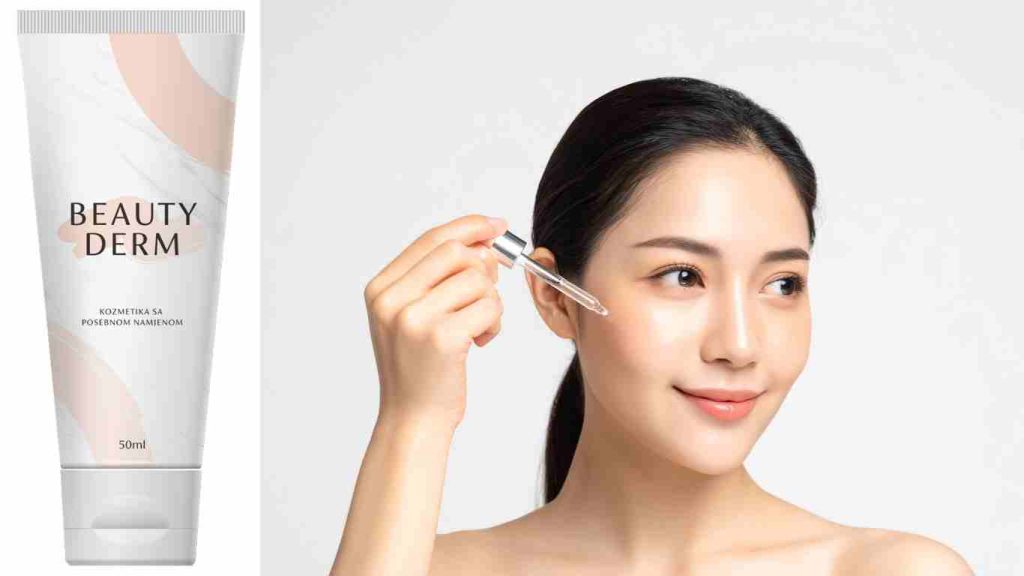
- Apply the Exosome Serum: Most exosome serums come in dropper bottles or pump dispensers. Dispense a small amount (usually a few drops or a pea-sized pump) onto your fingertips. Gently massage or pat the serum onto your face and neck. Focus on areas of concern like fine lines, uneven tone, or wherever you want extra rejuvenation.
- Layering: Give the exosome serum a minute or two to absorb. Because these serums tend to be lightweight, they usually layer well. You can follow up with your other treatments or moisturizers. For instance, you might apply an exosome serum first, then a moisturizer or night cream on top to seal it in. Many users pair exosome serums with familiar actives like vitamin C in the morning or retinol at night – exosomes can complement these by reducing irritation and accelerating results.
- Frequency: Check the product’s instructions, but generally, exosome serums can be used once or twice daily. Some people reserve them for nighttime so the skin can regenerate while you sleep, especially if the serum is pricey. Others use a small amount morning and evening for continuous benefits.
- Sun Protection: Always follow with sunscreen during the day. While exosome serums themselves don’t make you photosensitive, they are helping create fresh, new skin – you’ll want to protect those gains by shielding your skin from UV damage.
Consistency is key. Improvements from exosome skincare, like firmer texture or brighter tone, typically become noticeable after several weeks of regular use. Keep in mind that these serums are often more expensive than standard products, so you’ll want to use them wisely (no need to slather – a little goes a long way if formulated well).
Best Exosome Serums of 2025: Top Products to Try
With the surge in popularity, many brands have launched their own exosome-infused products. If you’re curious to try this trend, here are some of the best exosome serums of 2025 spanning various price points and benefits:
- Dr. Barbara Sturm Exoso-Metic Face Serum ($$$$) – A luxury option from celebrity skincare guru Dr. Sturm, the Exoso-Metic serum contains lab-engineered human exosomes. It’s formulated to firm, plump, and smooth the skin, and is said to noticeably improve skin texture and reduce wrinkles. This serum is very expensive (over $500), but it exemplifies the high-end of exosome skincare, using cutting-edge biotechnology. Users with deep pockets praise its anti-aging results and luxurious feel.
- Elevai Enfinity Exosome Serum ($$$) – Developed by regenerative medicine specialists, Elevai’s serum is a dermatologist favorite. Elevai Enfinity Exosome Daily Serum – a high-end exosome serum known for its advanced stem cell-derived formulation. This product contains millions of exosomes from mesenchymal stem cells, along with peptides and hyaluronic acid. It claims to smooth skin texture, calm inflammation, and boost hydration. Priced around $299 for 30 mL, it’s an investment, but it comes with the pedigree of over a decade of stem cell research behind it.
- Plated Skin Science Intense Serum ($$$) – Plated is a brand that specifically focuses on exosome skincare, founded by scientists. Their Intense Serum uses exosomes derived from human platelets (hence the name “Plated”). It targets signs of aging like fine lines and uneven tone. Priced in the mid-$200s, it’s a popular choice in medspa circles. Many dermatologists like that Plated publishes some clinical data and that the product is fragrance-free and formulated for optimal absorption.
- Augustinus Bader The Elixir ($$$$) – From the renowned luxury skincare line Augustinus Bader, The Elixir is a powerhouse serum that includes the brand’s proprietary triggers for regeneration along with exosomes. At about $550, it’s a splurge, but beauty insiders have noted impressive results in skin firmness and radiance within weeks. It features an exclusive Phyto-Peptidic Concentrate (plant-derived exosomes and peptides) to support cell renewal. If you’re looking for a lavish treat with exosome tech, this is it.
- The INKEY List Exosome Serum ($) – Yes, even budget-friendly brands are jumping in. The INKEY List (known for affordable, single-ingredient-focused products) has introduced an Exosome Glow Serum in 2025. It’s powered by millions of plant-based exosomes (from botanical sources) to brighten and smooth the skin. At under $30, it’s one of the most accessible exosome serums. While the concentration may be lower than pricier options, it’s a great starter product for those wanting to test the exosome trend without breaking the bank.
- VT Cosmetics PDRN Cica Exosome Ampoule ($) – This Korean beauty serum has become a bestseller online. It combines exosomes with PDRN (a DNA-derived ingredient from salmon) and centella asiatica (cica) to repair skin and improve elasticity. At roughly $20, it’s an excellent example of K-beauty innovation making exosome care affordable. Users love its soothing, hydrating feel and the way it helps redness and post-acne marks fade faster.
When choosing an exosome serum, consider your skin goals and budget. High-priced serums often use human-derived exosomes with extensive R&D behind them, potentially offering more potent anti-aging effects. More affordable picks might use plant exosomes and additional actives that are still beneficial, though perhaps milder in impact. Regardless of price, look for products that are transparent about their exosome source and have positive reviews regarding stability and results.
Also, keep an eye on new releases – as the exosome skincare trend grows, many brands are likely to launch updated formulas, and the “best” list will continue to evolve.
Are Exosome Serums Safe and Backed by Science?
With any breakthrough trend, it’s wise to question the safety and scientific validation. Here’s the current state of play for exosome serums:
Safety: Topically applied exosome serums are generally considered safe for most skin types. Since they don’t contain live cells or DNA, the risk of an adverse reaction is low. Most formulas are designed to be hypoallergenic and simply deliver signals your body naturally uses for healing. That said, because exosome products are new, there is ongoing discussion in the dermatology community about long-term safety. One concern is quality control – not all products are equal. Exosomes are not yet FDA-approved for cosmetic use, meaning there isn’t a strict regulatory standard they must meet. Reputable brands will use pharmaceutical-grade manufacturing and test for purity (ensuring no harmful contaminants or unwanted cell-derived materials are in the serum). It’s important to buy from trusted companies and avoid obscure products that make wild claims. If you have very reactive skin, introduce the serum slowly and do a patch test to be sure you don’t experience any irritation.
Scientific Evidence: The science of exosomes in skincare is emerging but not definitive. On the one hand, laboratory and early clinical studies are promising. We know from medical research that exosomes can stimulate collagen production, accelerate wound healing, and reduce inflammation in tissue. Small-scale studies in cosmetics have shown improvements in wrinkles, skin thickness, and hydration after using exosome formulations. On the other hand, many experts admit that we’re still in the “proof of concept” phase. There haven’t been large, long-term trials on topical exosome serums in a broad population yet. Some dermatologists estimate the hype is “70% ahead of the science” at this point – meaning that while exosomes likely do something beneficial, the full extent and consistency of results need more validation.
Regulation and Ethics: Since human-derived exosomes are technically a biological product, the FDA in the United States views them as more akin to a drug or advanced therapy. No exosome serum has FDA approval as a drug or official cosmetic; they exist in a gray area. In fact, the FDA has issued warnings to some clinics selling injectable exosome treatments without authorization. Topical cosmetics have more leeway, but because exosomes are unregulated, the industry lacks standardization. This means one product’s “exosome” could differ from another’s in terms of concentration or potency. However, efforts are underway to create industry standards and ensure companies provide safe, reliable exosome content. Consumers should stay informed – as research progresses, we’ll better understand optimal dosages, sourcing methods, and any long-term effects. If you’re ever unsure, consult a dermatologist for guidance on using exosome products, especially if you are combining them with other advanced treatments.
In summary, exosome serums appear safe and very promising, but they ride a wave of optimism that science is still catching up to. When used appropriately, they can be a valuable addition to an anti-aging routine. Just maintain realistic expectations and remember that skincare (even exciting new tech) works best alongside sunscreen and a good basic routine.
Conclusion
Exosome serums have undeniably earned their title as the breakthrough skincare trend of 2025. By leveraging the power of cellular messengers, they offer a novel approach to achieving youthful, radiant skin. Early adopters are enjoying benefits like firmer texture, quicker skin repair, and that enviable glow – all thanks to these tiny vesicles packed with regenerative potential.
That said, skincare is never a one-size-fits-all endeavor. While an exosome serum can be a game-changing addition to your regimen, it’s wise to stay informed and choose products thoughtfully. Keep an eye on this trend as science unfolds; we can expect even more advanced formulations and research-backed insights in the next few years.
If you’re a beauty enthusiast looking to stay ahead of the curve, trying an exosome serum might just make you feel like you’ve uncovered the fountain of youth in a bottle. And if you’re more cautious, that’s okay – you can watch as more evidence rolls in. Either way, exosomes represent an exciting intersection of biotechnology and beauty. The conversation around them is just beginning, and it’s one that could reshape how we think about skincare and anti-aging.
Have you tried an exosome serum yet? This trend is still fresh, so we’d love to hear real experiences. Share your thoughts or results in the comments – your story might help others decide if exosome skincare is right for them. And if you found this article helpful, feel free to share it with fellow skincare lovers curious about the latest and greatest in beauty science!
Frequently Asked Questions (FAQs)
Q: What is an exosome serum in skincare?
A: An exosome serum is a skincare serum enriched with exosomes – tiny extracellular vesicles released by cells. These exosomes contain signaling molecules (like growth factors, proteins, and RNA) that can prompt skin cells to regenerate and repair. In practical terms, an exosome serum delivers these cell messengers to your skin to boost collagen production, speed up healing, reduce inflammation, and improve overall skin health. It’s a next-generation anti-aging product that aims to rejuvenate skin by communicating directly with your cells.
Q: What are the benefits of using an exosome serum?
A: Exosome serums offer several potential benefits for the skin: they can increase collagen and elastin (leading to firmer, smoother skin and fewer wrinkles), enhance skin recovery and healing (great for post-procedure or repairing damage), calm redness and inflammation, even out skin tone by fading hyperpigmentation, and improve hydration by strengthening the skin barrier. Essentially, they are touted as multi-functional rejuvenating treatments. Many users report a more radiant, “youthful” glow and improved texture after incorporating exosome serum into their routine for a few weeks.
Q: How is an exosome serum different from a stem cell serum or growth factor cream?
A: While they all aim to rejuvenate skin, exosome serums use a more refined approach. Stem cell serums often contained extracts from stem cells, hoping to deliver anti-aging factors, but the efficacy was limited because whole cells don’t survive well in a cream. Growth factor creams include certain proteins but can be unstable and might not penetrate deeply. Exosome serums, on the other hand, isolate the beneficial signals (many of which come from stem cells originally) and package them in tiny vesicles that protect the payload and facilitate absorption. Exosomes cannot multiply or cause the risks associated with live cells – they simply deliver messages. This makes exosome serums potentially more effective and safer, essentially taking the active essence of stem cells and applying it directly to the skin.
Q: Are exosome serums safe to use?
A: For most people, yes – exosome serums are considered safe for topical use. They contain biologically native signals (your skin naturally has exosomes, after all) and are generally formulated without harsh ingredients. Most users do not experience irritation; in fact, exosomes can reduce inflammation. However, because this is a newer technology, you should use products from reputable brands that test their formulas. As of 2025, exosome skincare products aren’t FDA-approved or strictly regulated, so quality can vary. It’s wise to do a patch test initially and consult a dermatologist if you have any concerns, especially if you have very sensitive skin or a condition. Also, be cautious of any unproven “at-home” microneedling kits that promise to infuse exosomes – improper use of devices with any serum could pose risks. Stick to topical application as directed, and you should be fine.
Q: How do I incorporate an exosome serum into my skincare routine?
A: Use an exosome serum as you would a typical face serum, usually after cleansing and toning. Apply a few drops to your face and neck, gently patting it in. You can use it in the morning, at night, or both – check the product instructions. Because exosome serums tend to be lightweight and fast-absorbing, you can layer other products on top. For instance, in the morning you might apply exosome serum, then moisturizer, then sunscreen; at night, you could apply exosome serum and then a nourishing night cream or facial oil. There’s no need to replace your entire routine – exosome serum can complement ingredients like vitamin C, hyaluronic acid, or retinol. In fact, it may enhance results and mitigate irritation from strong actives by helping skin cells repair. Consistency is key to seeing benefits, so aim to use it regularly (daily if possible). And remember, always keep up with sunscreen during the day – protecting your skin will ensure those exosome-powered improvements aren’t undone by UV damage.
Q: Who can benefit the most from exosome serums?
A: Exosome serums can be beneficial for a wide range of people, but they are especially appealing if you’re concerned about aging signs or skin damage. If you’re in your late 20s or beyond and starting to notice fine lines, loss of elasticity, or dullness, an exosome serum might help give your skin a regenerative boost. They are also great for individuals who have undergone procedures like lasers or peels and want to speed up recovery and enhance results (with guidance from a professional). Furthermore, if you have sensitive skin that doesn’t tolerate aggressive anti-aging ingredients (like retinoids) well, an exosome serum could provide a gentler route to rejuvenation. Even those in their 40s, 50s, and 60s report improvements in skin firmness and texture from exosome products. On the flip side, if you’re younger and mainly looking to maintain healthy skin, you might not find an exosome serum to be a must-have yet (and the cost could outweigh subtle benefits). But for anyone looking to invest in advanced skincare tech, exosomes are an exciting option to consider.
Q: Are there any downsides or precautions with exosome serums?
A: The main downside for many is cost – exosome serums tend to be pricey, especially those from high-end brands using human cell-derived exosomes. It’s a reflection of the complex biotech processes involved. Another consideration is the lack of long-term data: since this trend is new, we don’t have decades of research on prolonged use of exosome skincare. So far, no red flags have emerged, but it’s something to bear in mind. As mentioned, product quality varies, so a cheaper off-brand exosome serum might not do much if the exosomes aren’t potent or properly formulated. Always purchase from reputable sellers to avoid counterfeit or ineffective products. Lastly, temper your expectations – exosome serums are fantastic, but they’re not magic. You still need to maintain a good overall skincare routine and healthy lifestyle for best results. And if you have a specific skin condition or you’re immunocompromised, check with your doctor just to be safe when introducing such active new ingredients.