Looking for a realistic way to eat healthier without complicated diets? A simple clean eating meal plan might be the perfect solution. This guide is tailored for beginners in the USA, focusing on easy meals made from whole foods. You’ll get a 7-day clean eating meal plan (USA-style), an essential grocery list, and plenty of tips to make healthy eating affordable and stress-free. Whether you’re anyone trying to improve your diet – especially busy women balancing work and family – this plan will help you start clean eating in a practical, flexible way. Let’s dive into this beginner-friendly clean eating guide and discover how eating simple, “clean” foods can boost your health, energy, and even aid weight loss.
Meal prep containers with healthy clean-eating ingredients (brown rice, veggies, and plant-based protein falafel). Organizing meals in advance is key to a simple clean eating plan.
What is Clean Eating? (Beginner Clean Eating Guide USA)
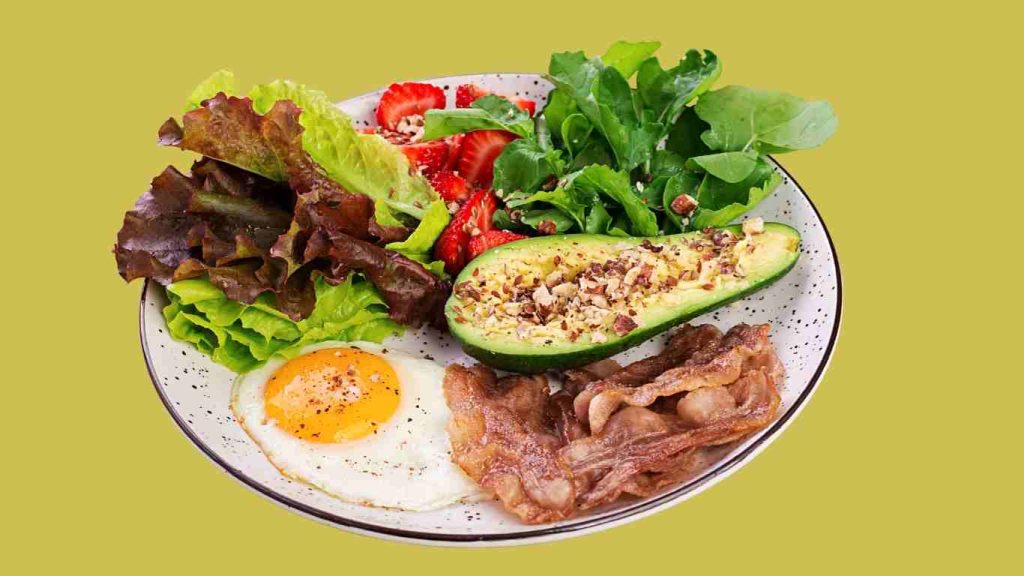
Clean eating is more of a healthy eating approach than a strict diet. It means favoring whole, minimally processed foods and cutting back on heavily processed items with added sugars or artificial ingredients. In practice, clean eating involves filling your plate with vegetables, fruits, whole grains, lean proteins, and healthy fats – foods that are as close to their natural form as possible. For example, choose an apple over apple juice, or grilled fish over breaded fish sticks. The idea is to eat foods that nourish your body and avoid the empty calories and additives found in junk food.
In the USA, ultra-processed products like packaged snacks, sugary cereals, and fast food make up a huge part of the average diet. In fact, research from Johns Hopkins University found that over half of the calories Americans consume come from ultra-processed foods. Clean eating aims to reverse that trend by emphasizing fresh ingredients you can buy in any U.S. grocery store or farmers’ market. Instead of counting calories or cutting entire food groups, you focus on improving food quality. For beginners, this approach can feel refreshing – you concentrate on adding more wholesome foods rather than just taking things away.
Benefits: Adopting a clean eating meal plan can lead to numerous benefits. Many people report increased energy, more stable blood sugar (fewer midday crashes), better digestion, and even weight loss as they replace processed snacks with fiber-rich fruits and veggies. You’ll likely consume more vitamins and minerals which support healthy skin, hair, and overall wellness. Clean eating can also reduce your intake of excess salt, sugar, and unhealthy fats, which is great for heart health. Over time, your taste buds adjust – you may start appreciating the natural sweetness of a strawberry or the rich flavor of roasted vegetables, without needing a ton of added salt or sugar.
Keep it flexible: Importantly, “clean eating” doesn’t have to be all-or-nothing. There’s no official definition, and it’s not about being perfect. Even experts warn against an extreme obsession with eating only “pure” foods – that can lead to stress or an unhealthy relationship with food. Instead, use clean eating as a flexible guide: aim for about 80% whole, unprocessed foods and understand that an occasional treat or shortcut (like a store-bought whole-grain bread or a little ketchup) is okay. The goal is progress, not perfection. By focusing on simple, nourishing meals that suit your lifestyle, you’re more likely to stick with it for the long term.
How to Start Eating Clean: 7 Tips for Beginners
Getting started with clean eating is easier than you think. Here’s a beginner clean eating guide in seven simple steps:
- Start Small: Begin by swapping out one processed item for a whole food. For example, replace sugary breakfast cereal with oatmeal and berries, or chips with a handful of nuts. Small changes add up and won’t overwhelm you.
- Shop the Perimeter: In U.S. grocery stores, the outer aisles usually have fresh produce, dairy, meat, and whole grains. Spend most of your time there and less in the processed snack aisles. Use the included healthy eating grocery list (USA) section in this guide as a reference for what to buy.
- Read Ingredient Labels: When you do buy packaged foods, check the ingredients. A good rule of thumb is to choose items with short, simple ingredient lists. If a product has tons of unpronounceable additives, it’s likely not the best choice for clean eating. For instance, peanut butter should ideally contain just peanuts (and maybe salt), not hydrogenated oils and sugars.
- Plan Your Meals: Planning is key to a 7-day clean eating meal plan USA style. Take some time each week to map out your meals (you can use the 7-day plan provided below). This way, you won’t be stuck wondering what to eat and resorting to fast food. Planning ahead ensures you have the right ingredients on hand and can prevent food waste.
- Cook at Home: Embrace simple home cooking. You don’t have to be a chef – basic techniques like baking, stir-frying, or using a slow cooker can create delicious, clean meals with minimal effort. When you cook from scratch, you control what goes into your food (less salt, no preservatives, quality ingredients). Plus, cooking can be fun and family-inclusive – a great activity if you have kids learning about healthy eating.
- Stay Hydrated with Water: Clean up your drinks too. Soda and fancy coffee drinks are often loaded with sugar. Instead, drink plenty of water throughout the day. You can add lemon, mint, or fruit slices for flavor. Unsweetened herbal tea or black coffee (in moderation) are fine. This not only reduces sugar intake but also supports your metabolism and digestion.
- Be Kind to Yourself: Remember that transitioning to clean eating is a journey. Don’t worry if you have a day where you grab a cookie or some chips – it’s normal. Instead of feeling guilty, refocus on your next meal. The clean eating lifestyle is about overall patterns, not one meal or one day. Celebrate your successes (like packing a healthy lunch or cooking dinner at home) and keep learning new recipes and tips. Over time, it will become second nature to reach for the apple instead of the candy bar, and you’ll genuinely enjoy how these foods make you feel.
By following these tips, you set a strong foundation. Next, let’s look at a practical meal plan to show what a week of clean eating can look like.
7-Day Simple Clean Eating Meal Plan (USA)
Ready to put clean eating into action? Here’s an easy 7-day clean eating meal plan for beginners. It’s filled with familiar, budget-friendly foods that you can find in most U.S. supermarkets. The emphasis is on simplicity – each day includes straightforward meals that don’t require fancy cooking skills. We’ve balanced the plan with lean proteins, healthy carbs, and plenty of veggies and fruit. Feel free to adjust portion sizes based on your needs (for example, active men might eat larger portions than petite women), and add an extra healthy snack if you’re hungry. This plan is also flexible: you can swap similar meals between days, or repeat ones you enjoy. The key is to enjoy nourishing whole foods for each meal.
Each day below lists suggestions for breakfast, lunch, and dinner. You can also include 1–2 snacks per day, such as a piece of fruit, a handful of nuts, yogurt, or cut-up veggies with hummus.
Weekly Clean Eating Meal Plan: (Meals for 7 Days)
| Day | Breakfast (🏙️ Morning) | Lunch (🌞 Midday) | Dinner (🌙 Evening) |
| Day 1 (Mon) | Oatmeal topped with fresh berries and chopped nuts. (Cook plain rolled oats and add blueberries, almonds, and a drizzle of honey.) | Grilled chicken salad with mixed greens, cucumber, tomatoes, and olive oil vinaigrette. (Lean chicken breast on a big veggie salad.) | Baked salmon (or fish of choice) with quinoa and steamed broccoli. (Season with herbs and lemon.) |
| Day 2 (Tue) | Greek yogurt parfait with bananas and a sprinkle of granola or flaxseed. (Use unsweetened yogurt; add fruit for sweetness.) | Turkey and avocado whole-grain wrap with lettuce & tomato. (Wrap lean turkey slices, avocado, veggies in a whole-wheat tortilla.) | Stir-fry with chicken (or tofu), mixed vegetables (like bell peppers, broccoli, carrots), and brown rice. (Cook in heart-healthy oil, season with garlic and soy sauce low-sodium.) |
| Day 3 (Wed) | Veggie omelet (2 eggs) with spinach, tomatoes, and mushrooms + one slice of whole-grain toast. | Leftover stir-fry from Day 2 (repurpose last night’s dinner for a quick lunch!). (Reheat the chicken/veggie stir-fry, enjoy with any remaining brown rice.) | Whole-wheat pasta with tomato sauce and ground turkey or lentils. (Make a simple marinara with garlic and herbs; add lean protein like turkey or lentils for a hearty, clean sauce.) |
| Day 4 (Thu) | Overnight oats with almond milk, chia seeds, and diced apples. (Prepare oats the night before with milk and chia; in the morning add apples and cinnamon.) | Quinoa bowl with black beans, corn, cherry tomatoes, and diced avocado. (Toss with lime juice and cilantro for a quick “burrito bowl” flavor.) | Grilled chicken (or baked tofu) with roasted sweet potatoes and green beans. (Roast veggies with olive oil; season chicken/tofu with pepper, garlic, paprika.) |
| Day 5 (Fri) | Green smoothie (spinach, banana, frozen berries, and a scoop of Greek yogurt or protein) + a boiled egg on the side. (Blend smoothie until creamy.) | Tuna salad on whole-grain bread or lettuce wraps. (Use canned tuna mixed with a little olive-oil mayo or mustard, add lettuce, tomato. Serve as a sandwich or wrap in large lettuce leaves.) | Hearty turkey chili or three-bean chili. (Simmer ground turkey or beans with tomatoes, beans, onions, and spices. This makes enough for leftovers.) |
| Day 6 (Sat) | Avocado toast on whole-grain bread topped with a sliced hard-boiled egg. (Simple and packed with healthy fats and protein.) | Leftover chili from Day 5. (Chili flavors often improve the next day! Serve with a side of veggies or a small green salad.) | Vegetable curry with chickpeas (garbanzo beans) and veggies like cauliflower and carrots, served over brown rice. (Use curry powder, garlic, and ginger for flavor. A great plant-based, budget-friendly dinner.) |
| Day 7 (Sun) | Peanut butter and banana smoothie or Greek yogurt with mixed berries and a spoon of peanut butter stirred in. (Protein-packed start to your day.) | Big chopped salad with greens, chickpeas, cucumber, bell pepper, olives, and feta cheese (optional). (Drizzle with olive oil & vinegar. A Mediterranean-inspired clean lunch.) | “Sheet Pan” Dinner: Roast chicken pieces (or salmon fillet) on a baking sheet with assorted vegetables (like zucchini, carrots, and Brussels sprouts). Serve with a side of brown rice or quinoa. (Roast everything together with simple seasonings – easy cleanup!) |
Meal Plan Notes: This 7-day plan is just a starting point. Mix and match according to your preferences or dietary needs. For example, if you’re vegetarian, you can swap the animal proteins with beans, lentils, tofu, or meatless alternatives (e.g., replace chicken with marinated tofu, use beans instead of turkey in chili). Likewise, if there’s an ingredient you don’t like or have an allergy to (say, almonds), substitute another whole food (maybe walnuts or pumpkin seeds). The idea is to enjoy a variety of clean foods and not get bored – feel free to rotate different fruits, vegetables, and proteins. Leftovers are your friend: many dinners, like the chili or curry, can be refrigerated and eaten for lunch the next day to save time and money.
Also, remember to incorporate snacks smartly. Good clean-eating snacks include an apple or orange, a handful of unsalted nuts, carrot and celery sticks with hummus, a small cup of Greek yogurt, or homemade trail mix. These will keep your energy up between meals without resorting to candy or chips.
Finally, stay flexible with timing. If you prefer a lighter lunch and bigger dinner, or vice versa, adjust accordingly. This plan is meant to fit into your life, not the other way around. By the end of the week, you’ll have tried a range of easy clean eating recipes for beginners and hopefully discovered that healthy eating can be delicious and satisfying!
Easy Clean Eating Recipes for Beginners (Quick & Tasty)
One worry for beginners is that healthy meals will be boring or hard to make. Not so! Clean eating can be easy and flavorful. Here are a few recipe ideas and meal prep strategies that prove you don’t need to be a chef to whip up tasty, clean meals:
- Overnight Oats: As seen in our meal plan, overnight oats are a beginner’s dream. Mix rolled oats with milk (or a non-dairy milk), add chia seeds and a bit of honey, and let it sit in the fridge overnight. In the morning, top with fruits like berries or banana. It’s a no-cook, grab-and-go clean breakfast that’s high in fiber.
- Smoothies: Smoothies are an easy way to pack fruits, veggies, and protein into one cup. Blend spinach (you won’t taste it, promise!) with a ripe banana, frozen berries, and water or almond milk. Add Greek yogurt or a spoon of nut butter for creaminess and protein. In minutes, you have a nutrient-packed meal or snack.
- Stir-Fries and One-Pot Meals: Stir-frying is a quick cooking method perfect for beginners. Take whatever veggies you have (broccoli, bell peppers, snap peas, carrots – fresh or even frozen mix), add a protein (sliced chicken, shrimp, tofu, or edamame for plant protein), and sauté in a little olive or sesame oil. Season with garlic, ginger, or low-sodium soy sauce. Serve over brown rice or quinoa. In 15 minutes, you have a balanced dinner. One-pot soups or stews are equally easy: throw lots of veggies, beans, maybe a lean meat, into a pot with broth and herbs, simmer until done. Fewer dishes, big flavors, and plenty of leftovers!
- Salads with a Twist: Clean eating salads are more than just lettuce. Try a mason jar salad for lunch: layer dressing at the bottom, then hearty veggies (cucumbers, tomatoes), then protein (chickpeas, grilled chicken, or tuna), and greens on top. When it’s time to eat, shake it up. Or make a grain bowl salad: combine cooked quinoa or brown rice with roasted veggies, some leafy greens, and a simple lemon-olive oil dressing. These salads are filling, portable, and you can prep them in advance.
- Sheet Pan & Slow Cooker Recipes: Embrace “dump and cook” methods. A sheet pan meal (like the Day 7 dinner) means you arrange everything on one baking tray and roast it – super easy and minimal cleanup. A slow cooker (or crockpot) is another beginner-friendly tool: in the morning, add chicken breasts, a variety of chopped vegetables, spices, and broth to your slow cooker. By dinner, you’ll have a tender stew or shredded chicken ready to serve. Batch-cooking like this means you cook once and eat two or three times.
Flavor Tip: Keep your pantry stocked with herbs and spices. Things like garlic powder, onion powder, cumin, paprika, Italian seasoning, cinnamon, and black pepper can make simple foods taste amazing without needing sugary sauces. For instance, roast sweet potato wedges with a sprinkle of cinnamon and chili powder for a sweet-and-spicy twist, or season your chicken with rosemary and thyme for an herby flavor. Using spices is a clean eater’s secret to making healthy food crave-worthy.
By experimenting with these easy recipes and techniques, you’ll find that clean eating is far from bland. In fact, many beginners are surprised at how much better real food tastes once their taste buds adjust away from ultra-processed, overly sweet or salty foods. Plus, if you’re cooking for a family, these meals are kid-friendly and customizable – you can let everyone add their favorite veggies or toppings. Cooking at home not only improves your health, but it can also become an enjoyable part of your day.
Budget-Friendly Clean Eating: Tips to Save Money (Affordable Clean Eating Plan USA)
One of the biggest myths about healthy eating is that it’s expensive. Yes, organic produce or fancy health products can be pricy, but clean eating on a budget is absolutely possible – even easy – with some smart strategies. Here’s how to follow a budget-friendly clean eating meal plan (USA) without breaking the bank:
- Plan Your Meals & Shop with a List: Impulse buying is the enemy of your budget. Before grocery shopping, plan your week (use our 7-day plan or similar) and make a grocery list of exactly what you need. Stick to that list in the store. Planning ahead prevents buying items you won’t use and keeps you focused on whole foods. (It also helps curb takeout orders since you know you have meals ready to cook.) According to the American Heart Association, taking a few minutes to plan meals for the week not only promotes healthier choices but also saves money by avoiding spur-of-the-moment purchases.
- Buy in Bulk & Choose Store Brands: For staples of a clean diet – think oats, brown rice, quinoa, dried beans, nuts, and frozen vegetables – buying in bulk can significantly cut costs. Many U.S. supermarkets and bulk stores offer good prices per pound for larger quantities. You can store dry goods for months. Also, don’t shy away from store brand or generic products; they often have the same quality as name brands but at a lower price. For example, store-brand old-fashioned oats or frozen green beans are just as nutritious but cheaper.
- Embrace Seasonal & Local Produce: Fruits and veggies are much cheaper when they’re in season. In the summer, berries, tomatoes, zucchini, and corn are abundant in the USA and cost less. In fall and winter, apples, oranges, carrots, cabbage, and sweet potatoes are usually bargains. Seasonal produce isn’t just cheaper – it’s also fresher and more flavorful. Visit local farmers’ markets if you can; sometimes you can get great deals on bulk produce there (and support local farmers too). Another tip: frozen fruits and veggies can be a cost-effective alternative in the off-season – they’re picked at peak ripeness and flash frozen, retaining nutrients, and often go on sale.
- Cook at Home & Use Leftovers: Eating out or ordering in can drain your wallet. A single restaurant meal often costs as much as an entire day’s worth of homemade food. By cooking at home, you’ll save a lot. Make it easier by cooking larger batches and using leftovers creatively. Roast a whole chicken or prepare a big veggie soup – then turn the remaining chicken into sandwiches or tacos next day, and enjoy the soup for lunches. Wasting less food is equivalent to saving money. If you find something leftover you can’t finish in a day or two, freeze it for later rather than tossing it out.
- Smart Protein Choices: Proteins can be the most expensive part of a meal. To save money, incorporate plant proteins like beans, lentils, and eggs, which are very affordable. For example, a bag of dry lentils or black beans costs just a couple of dollars and can provide protein for many meals (chilis, salads, side dishes). Canned beans are cheap too and convenient (just choose low-sodium when possible, or rinse them). Eggs are another inexpensive, high-protein food – a dozen eggs can cover several breakfasts or even dinners (omelets, frittatas). For meats, opt for cost-effective cuts: chicken thighs are cheaper than chicken breasts and very flavorful; ground turkey or ground beef (90% lean) can stretch into multiple portions (like chili or meat sauce). Watch for sales on meats and fish and stock up (freeze for later).
- Avoid Expensive “Health” Foods: You don’t need fancy superfood powders, exotic seeds, or gourmet items to eat clean. Items like quinoa or chia seeds are healthy but if they don’t fit your budget, you can get similar benefits from less expensive staples (e.g., use brown rice instead of quinoa, or flaxseeds instead of chia). Likewise, pre-cut or pre-washed produce, while convenient, tends to cost more. For instance, a whole carrot bag is cheaper than baby-cut carrots, and a block of cheese is cheaper per ounce than pre-shredded. Spare a few minutes for prep work and save money. As a bonus, doing your own chopping or shredding often keeps the food fresher longer.
Budget Fact: Eating clean might actually save you money in the long run. Think about this: many ultra-processed snacks and sugary drinks cost a lot per serving and don’t fill you up, so you consume (and buy) more. Whole foods like oatmeal, bananas, beans, potatoes, or whole chicken have a low cost per serving and are quite filling. One study or plan from the USDA even shows you can meet nutrition needs on about $6 per day by focusing on basic wholesome foods. The American Heart Association also shares that there are plenty of healthy foods under $1 per serving – such as oatmeal, beans, carrots, bananas, brown rice, and popcorn. By shifting your spending to ingredients instead of processed packages, you get more food for your dollar.
In summary, an affordable clean eating plan comes down to planning and smart shopping. You don’t need a $100 bottle of juice or expensive organic everything to be healthy. A basket filled with simple staples like oats, eggs, apples, carrots, beans, and chicken can create dozens of nutritious meals without straining your budget. In the next section, we’ll get more specific with a clean eating grocery list to guide your shopping.
Clean Eating Grocery List for Beginners (Healthy Eating Grocery List USA)
Having a well-prepared grocery list is crucial for both sticking to your clean eating goals and saving money. Below is a healthy eating grocery list tailored for a clean eating meal plan in the USA. It’s broken down by food categories to ensure you get a balance of nutrients. Feel free to adjust based on personal taste or dietary needs (for example, if you’re dairy-free or vegetarian). This list focuses on versatile, budget-friendly ingredients that work in many recipes:
Fruits & Berries: Apples, Bananas, Oranges (or seasonal citrus), Berries (fresh or frozen strawberries, blueberries), Grapes, Melon (cantaloupe or watermelon in summer), Lemons/Limes (for flavoring water or dishes). Tip: Choose whole fruits over juice to get the fiber and more nutrients.
Vegetables: Leafy Greens (spinach, kale, romaine lettuce), Broccoli or Cauliflower, Bell Peppers, Carrots, Cucumbers, Zucchini, Tomatoes (fresh or canned diced tomatoes for cooking), Sweet Potatoes, White or Red Potatoes, Onions, Garlic, Green Beans, Cruciferous veggies like Cabbage or Brussels Sprouts. Don’t forget seasonal veggies like squash or asparagus when available. Buying a mix of fresh and frozen vegetables ensures you always have something on hand; frozen peas, frozen mixed veggies, or frozen spinach are great backups.
Whole Grains & Starches: Old-Fashioned Rolled Oats, Brown Rice, Quinoa (or barley/bulgur for variety), 100% Whole-Wheat Bread or Whole-Grain Tortillas, Whole-Wheat Pasta, and maybe Sweet Corn (frozen or ears when in season). If you enjoy cereals, look for whole grain cereal with minimal added sugar (like plain whole wheat flakes or unsweetened muesli). Whole grains provide fiber and steady energy, keeping you full longer than refined grains.
Lean Proteins: Chicken (breast or thighs – remove skin for less fat), Turkey (ground turkey or turkey breast slices for sandwiches), Fish (salmon, tuna, tilapia – fresh or even canned tuna/salmon for budget), Eggs (an inexpensive protein powerhouse), Greek Yogurt (plain, for protein-packed breakfasts or snacks), Beans and Legumes (canned or dry black beans, chickpeas, lentils, kidney beans – these are nutrition all-stars and very cheap), Tofu or Tempeh (if you enjoy plant proteins), Lean Beef (occasionally, choose lean cuts like sirloin or 90% lean ground beef), Shrimp (often available frozen at good prices, great for stir-fries). Also, nuts and seeds can be counted here as protein sources: almonds, walnuts, chia seeds, flaxseeds, etc., though eat nuts in moderation due to cost and calories.
Dairy and Dairy Alternatives: Low-fat or skim Milk (or calcium-fortified almond/soy milk if you prefer non-dairy), Greek Yogurt (as mentioned, or regular plain yogurt), Cottage Cheese, and possibly a bit of Cheese (cheddar, mozzarella, or feta) – while cheese is a more processed product, using a little for flavor (like feta on salads or cheddar on a veggie omelet) is fine in moderation. When choosing dairy, opt for unsweetened products to avoid added sugars.
Healthy Fats: Extra-Virgin Olive Oil (for dressings and sautéing), Canola or Avocado Oil (good for cooking at higher heat), Natural Peanut Butter or Almond Butter (the kind with just nuts and maybe salt listed in ingredients), Avocados (rich in heart-healthy fats and fiber), Nuts (almonds, walnuts, peanuts) and Seeds (sunflower seeds, chia, flax, pumpkin seeds). These foods support your heart and keep you satisfied. Use oils sparingly – a little goes a long way.
Herbs, Spices & Condiments: Keep basics like black pepper, sea salt or kosher salt, garlic powder, onion powder, cinnamon, Italian seasoning, chili powder, etc. These transform simple ingredients into flavorful meals without needing sugar or excessive salt. Vinegars (like apple cider vinegar or balsamic) and lemon juice are great for adding zing to dishes. Mustard, a low-calorie condiment, can be used in dressings or on wraps. For condiments, you might get low-sodium soy sauce, hot sauce, or salsa – just watch for added sugars/salt. Fresh herbs like cilantro, parsley, or basil are wonderful if available (or grow your own cheaply).
This grocery list covers the essentials for clean eating. When you shop, try to choose a variety from each category – for example, don’t just buy broccoli and apples every week (though they’re great); mix it up with maybe broccoli and green beans, apples and oranges, etc., so you get different nutrients and avoid boredom. Remember to check your pantry for staples you might already have (spices, oils, frozen veggies, etc.) to avoid duplicates. Keeping your kitchen stocked with these clean staples makes it much easier to whip up meals and resist the temptation of ordering takeout. Plus, cooking at home becomes faster when you routinely have the building blocks of healthy meals on hand.
One more tip: if you’re truly new to grocery shopping for healthy foods, try to go when you’re not hungry and when you have a bit of time. This way, you can compare labels and prices calmly. Over time, you’ll get into a routine and know exactly which products fit your clean eating lifestyle and budget.
Clean Eating Meal Prep Ideas (Stay Organized and Save Time)
Meal prep is a game-changer for anyone with a busy schedule. By dedicating a little time to prepare food in advance, you ensure that you always have healthy options ready – which helps you stick to your clean eating plan even on hectic days. Here are some practical clean eating meal prep ideas:
- Cook Grains and Beans in Batches: Whole grains like brown rice, quinoa, and whole-wheat pasta can take some time to cook. Save time by making a big batch during the weekend. For instance, cook a pot of brown rice that you can use throughout the week – as a side for dinner, base for a grain bowl, or in fried rice. Similarly, boil a batch of whole grain pasta, toss lightly in olive oil, and store it to quickly reheat with veggies and sauce. If you eat beans often and use dry beans, cook a large batch (or use a slow cooker) and freeze portions, or simply use canned beans rinsed and portioned out in containers for easy grabs.
- Pre-Chop Your Vegetables: Right after a grocery trip, rinse and cut up some of your produce. Wash and tear lettuce and store it in a container with a paper towel (to keep it dry and crisp) – you’ll have ready salad greens. Slice carrots, celery, and bell peppers into sticks or strips for fast snacks with hummus or to throw into a stir-fry. Dice onions in advance (keep in a sealed container to avoid odor spreading). Having veggies prepped makes you much more likely to cook at home, since half the work is already done. One caveat: some veggies (like cucumbers or tomatoes) are best cut right before use to avoid getting soggy, but harder veggies (carrots, broccoli, cabbage) hold up well.
- Prepare Protein for the Week: It can be super helpful to cook some protein foods ahead. For example, bake or grill several chicken breasts at once (season them differently – one with lemon pepper, another with garlic and herbs, etc., for variety). Use one immediately for dinner and keep the rest in the fridge to slice over salads or in wraps, or reheat with different sauces. Hard-boil a batch of eggs – they’ll last all week for quick breakfasts, snacks, or to chop on salads. If you eat ground meat, brown 1–2 pounds of lean ground turkey/beef with basic seasoning; then you have crumbles ready to be tacos, added to marinara for pasta, or mixed with beans for chili.
- Portion Out Snacks: It’s easy to overeat even healthy snacks if you’re munching from a giant bag of nuts or trail mix. After shopping, take a few minutes to portion snacks into single-serving bags or containers. For instance, make little baggies of 1/4 cup almonds or walnuts, cut cheese into small cubes paired with a handful of grapes in mini-containers, or pack baby carrots and a couple tablespoons of hummus in to-go cups. This way, you have “grab-and-go” snacks that are just as convenient as a bag of chips, but far more nutritious. This is especially useful if you have kids – pre-portioned snacks make it easy for them to grab something healthy after school.
- Use the Freezer Smartly: Your freezer can be your best friend on a clean eating plan. Cooked foods like soups, stews, chili, cooked beans, and even cooked whole grains freeze very well. You can double a recipe and freeze half for a future week. For example, if you’re making turkey chili on Sunday, freeze a few individual portions; in two weeks, when you’re maybe too busy to cook, you can reheat that chili for a quick dinner. You can also freeze smoothie packs (put cut fruit and even spinach in a bag – just dump into blender with liquid when ready) and freeze things like muffin tin egg frittatas (mini omelets) for quick breakfasts. Label your freezer meals with name and date so you remember to use them. Meal prepping with freezer meals means you’ll have fewer excuses to order takeout on a crazy night.
Organization Tip: Set aside one or two days a week as your “meal prep” days. Many people choose Sunday afternoon to prep for weekdays, and maybe a mid-week evening to reset things for the latter half. Turn on some music or a podcast, and spend an hour chopping, cooking staples, and packing things into containers. Investing this time upfront pays off hugely during the workweek when you can just reheat a homemade meal in minutes. Also consider getting a few good storage containers (BPA-free or glass ones with lids) – having your fridge neatly stocked with ready-to-eat components is very motivating. You’ll feel a sense of accomplishment seeing all your colorful, healthy foods lined up!
By prepping meals or ingredients ahead, you not only save time but also reduce stress. Knowing that you have clean meals ready to eat will make you far less likely to grab fast food out of convenience. Plus, meal prep can help with portion control – you decide in advance what an appropriate portion is and pack it, instead of dishing out an oversized plate when extremely hungry. Many busy women and men find that meal prepping is the secret weapon that enables them to maintain a healthy diet amidst a packed schedule. Give it a try – even prepping just breakfast and lunch for tomorrow can be a great start.
Clean Eating for Weight Loss: Simple Tips to Shed Pounds
Will a simple clean eating diet plan for weight loss help you slim down? For many people, yes – switching to whole, unprocessed foods can naturally reduce your calorie intake while keeping you full and nourished. Here’s why and how to maximize weight-loss benefits if that’s your goal:
Nutrient Density vs. Calorie Density: Clean eating emphasizes foods high in nutrients but relatively low in calories. Think about a large bowl of mixed salad greens and veggies with some chicken – it might be just 300–400 calories but very filling due to fiber and protein. In contrast, a fast-food burger and fries could be 800+ calories and leave you hungry in an hour. By eating mostly vegetables, fruits, lean proteins, and whole grains, you automatically crowd out a lot of empty calories (like sugary drinks, chips, desserts). This often leads to a calorie deficit that can result in slow, steady weight loss. People also tend to unintentionally eat fewer calories when they increase fiber and protein because those nutrients are very satiating.
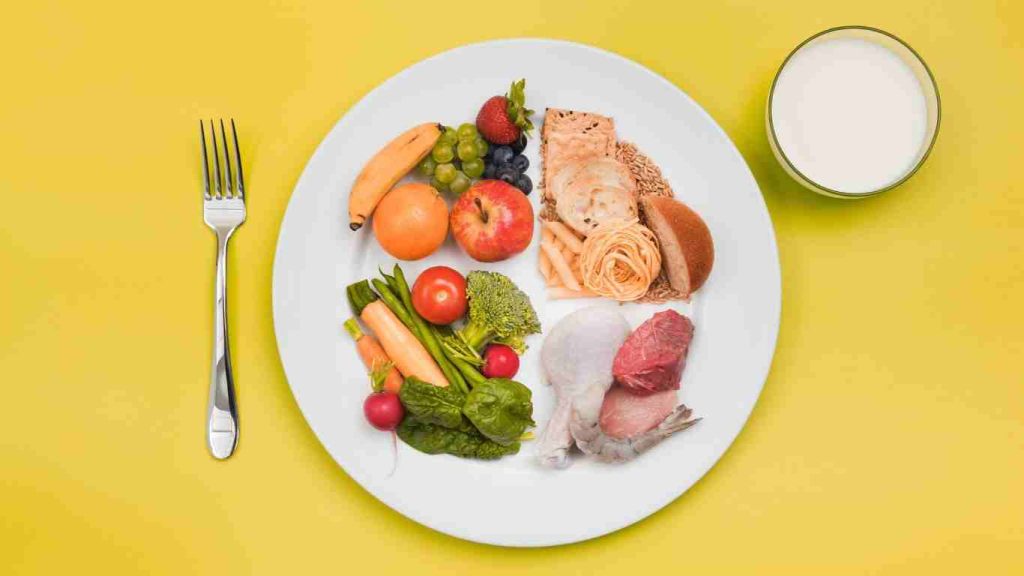
Portion Control Still Matters: Clean eating isn’t about counting calories obsessively, but if you want to lose weight, be mindful of portion sizes – especially for higher-calorie healthy foods. For example, nuts, olive oil, avocado, and whole grains are all very healthy, but they pack more calories per serving than, say, leafy vegetables or lean fish. You don’t need to avoid them (they’re important for nutrition and satiety), but measure reasonable portions: perhaps 1/4 of an avocado per meal, 1–2 tablespoons of dressing or oil, a small handful of nuts, and about 1/2 to 1 cup of cooked whole grains per meal. Using the “Healthy Plate” method can be helpful: fill half your plate with vegetables, a quarter with lean protein, and a quarter with whole grains or starchy veggies. This visual balance naturally controls calories and boosts weight loss while keeping your meals satisfying.
Watch the Beverages: Liquid calories are often a hidden culprit in weight gain. By clean eating principles, you’re avoiding soda, sweet teas, and fancy coffees. This alone can create a big calorie reduction. For weight loss, stick to water (sparkling water with lemon is a nice soda substitute), unsweetened teas, and moderate coffee. If you currently add sugar to coffee/tea, try gradually reducing it or switching to a plant-based unsweetened milk. Limiting alcohol is also important – alcoholic drinks can be high in sugar and lower your inhibitions to snack. Perhaps enjoy one glass of wine or a vodka-soda once a week if you like, but not daily. Hydrating with water not only helps control hunger but can slightly boost your metabolism as well.
Listen to Your Hunger Cues: Eating clean will help regulate your hunger and fullness signals, because your blood sugar will be more stable (fewer spikes and crashes from refined carbs). Pay attention to those signals. Eat slowly and stop when you’re satisfied, not stuffed. Since clean foods are high in fiber, you might find you get full sooner than expected – that’s a good thing! If you’re trying to lose weight, avoid going back for seconds out of habit. Give yourself about 20 minutes after finishing a meal to see if you truly need more. Often, you’ll realize you’re comfortably full. If you are still hungry, it might be that you need a bit more protein or healthy fat to tide you over – it’s okay to have an extra spoon of peanut butter or an additional egg if genuinely hungry. The goal is to eat when hungry and find satisfaction in quality foods, rather than grazing out of boredom or emotions.
Consistency Over Perfection: Weight loss from clean eating happens gradually. You may notice a few pounds drop in the first week or two (sometimes due to losing water weight when cutting excessive salt and processed carbs). After that, aim for a steady loss of about 1-2 pounds per week if you have significant weight to lose – that’s a healthy, sustainable pace. Some weeks you might not see a change on the scale, and that’s okay. Judge your progress by other factors too: do your clothes fit better? Do you have more energy? Are you stronger or sleeping better? Those are signs of health improvements that often precede visible weight changes. Stick with the clean eating habits and you will see results. Also, if possible, incorporate some physical activity (even walking 30 minutes a day) to boost your efforts and improve your mood. Remember, everyone’s body is different – focus on the journey of building healthy habits, and the weight loss will follow naturally.
One more note: avoid overly restrictive mindsets like “I can never have a cookie or pizza.” If you occasionally want a treat, have a reasonable portion and enjoy it guilt-free, then return to clean meals at the next eating opportunity. Some people follow an 80/20 approach – eating clean 80% of the time and allowing small indulgences 20% of the time. This balance can prevent feelings of deprivation, which can otherwise lead to binges. Clean eating for weight loss is powerful because it’s sustainable as a lifestyle, not a crash diet. You’re learning to love nutritious foods and developing a positive relationship with what you eat – that’s a recipe not just for weight loss, but for long-term wellness.
Conclusion: Start Your Clean Eating Journey Today
Embarking on a clean eating journey is one of the best gifts you can give your body. As we’ve outlined in this guide, a simple clean eating meal plan focuses on real, nourishing foods that fuel you up and make you feel good. From the 7-day plan and recipes to the grocery list and prep tips, you have all the tools to get started. Now it’s up to you to take action! Begin by incorporating a few clean meals this week and notice the difference in your energy and mood. Small steps – like drinking water instead of soda or adding an extra veggie to your dinner – truly do add up over time.
Remember that eating clean is not about being on a strict diet for a short time; it’s about embracing a healthier lifestyle for the long run. It’s flexible, customizable, and meant to fit your individual needs. Whether your goal is to boost overall health, manage weight, or set a good example for your family (perhaps inspiring your kids to enjoy veggies), clean eating can help you get there. You’ll be nourishing yourself with plenty of vitamins, minerals, and antioxidants, which supports everything from your immune system to your skin’s glow.
Most importantly, enjoy the journey. Have fun trying new fruits or whole-grain recipes, and don’t be afraid to get creative in the kitchen. Over time, your taste buds will adapt and you’ll likely find that you actually prefer the fresh flavors of clean food over the overly sweet or salty processed stuff. And when you do have a craving for something less-than-ideal, you can often find a cleaner substitute or simply enjoy a moderate portion and move on.
So, are you ready to feel healthier, more energetic, and confident in your food choices? Your clean eating adventure starts now. Give this easy 7-day guide a try and see how it works for you. Adjust as needed and keep building on your success. You have the knowledge – now you have the power to make positive changes meal by meal, day by day. Here’s to a healthier you and a sustainable way of eating that you truly love!
If you found this guide helpful, feel free to share it with friends or family who might also benefit. Clean eating is even easier with a support system – you could swap recipes or meal prep together. Also, we’d love to hear your thoughts or questions! Let us know in the comments below – what are your favorite easy clean eating recipes, or what challenges are you facing? We’re here to help each other succeed. Happy clean eating!
Frequently Asked Questions (FAQs)
Q: What exactly is a “clean eating” meal plan?
A: A clean eating meal plan is a guide that focuses on meals made from whole, unprocessed or minimally processed foods. This means lots of vegetables, fruits, lean proteins (like chicken, fish, beans, eggs), whole grains, and healthy fats (such as nuts, seeds, avocados). It avoids or greatly limits refined grains (white bread, regular pasta), sugary snacks, soda, and highly processed foods (like fast food, packaged chips, cookies with long ingredient lists). The idea is to eat foods in their most natural state, or close to it. For example, a clean breakfast might be oatmeal with fruit instead of a sugary cereal; a clean dinner could be grilled salmon with quinoa and broccoli instead of fried fish sticks and french fries. Clean eating isn’t a strict diet but more of a lifestyle choice to maximize nutritional value in your meals.
Q: Is clean eating good for weight loss?
A: Yes, clean eating can be very effective for weight loss, primarily because it cuts out many high-calorie, low-nutrient foods and replaces them with filling, nutrient-dense options. When you eat mostly vegetables, fruits, and lean proteins, you typically feel full on fewer calories. Plus, the high fiber content of a clean diet helps control appetite. Many people naturally lose weight when they switch from a typical American processed-food diet to cleaner foods – they might be eating the same volume of food but taking in fewer calories and less sugar. That said, weight loss still depends on overall calorie balance. You can gain weight eating anything if you eat excessive portions, so portion control matters. But clean eating makes portion control easier (an entire plate of veggies, for instance, might have fewer calories than one slice of pizza). Also, by cutting out sugary drinks and junk food, you remove some of the biggest contributors to weight gain. So, if you combine clean eating with mindful portions and regular activity, it’s a healthy, sustainable way to shed pounds.
Q: How do I start clean eating as a beginner without feeling overwhelmed?
A: The best approach is to start small and keep it simple. You don’t have to overhaul your entire diet overnight. Begin with one or two changes: for example, swap your breakfast for a clean option (like scrambled eggs with veggies instead of a bagel, or Greek yogurt with fruit instead of a donut). Or focus on drinking water instead of sugary beverages this week. Gradually increase the number of clean meals you eat. Planning is very helpful – use a guide (like the 7-day plan in this article) or write down your own plan of what you’ll eat. That way you’re not caught off-guard. Stock your kitchen with healthy staples from our grocery list, so the good choices are at your fingertips. Meal prepping a bit (washing fruits, chopping veggies, cooking some chicken or rice ahead) can make it almost as convenient to grab a homemade meal as it is to grab fast food. Also, allow yourself some flexibility – if you’re really craving something, find a cleaner way to satisfy it (crave sweets? Try an apple with peanut butter or a few dark chocolate squares). And don’t beat yourself up for any slip-ups. Clean eating is a learning process. Over time, as you add more whole foods and crowd out the processed stuff, your taste and cravings will change. Take it one meal at a time, and celebrate the good choices you make. Every clean meal is a win for your health!
Q: Is clean eating expensive? How can I eat clean on a tight budget?
A: Clean eating does not have to be expensive. In fact, many staple “clean” foods are among the cheapest foods you can buy. For example, a bag of rice, a bag of beans, a dozen eggs, seasonal vegetables like carrots or cabbage, and fruits like bananas and apples are all very affordable. These can form the basis of many healthy meals. To eat clean on a budget, plan your meals and cook at home as much as possible – this alone saves a lot of money. Buy produce that’s in season and consider frozen vegetables and fruits (they’re nutritious and often cost less when certain fresh produce is out of season). Buying in bulk helps: things like oats, lentils, or brown rice are cheaper in bulk quantities. Choose cheaper cuts of meat (chicken thighs, ground turkey, etc.) and incorporate meatless meals using beans or eggs, which are cost-effective proteins. Also, minimize food waste by using your leftovers (today’s dinner can be tomorrow’s lunch). What can be expensive are pre-packaged “health foods” or organic versions of everything – but you don’t need those to eat clean. You can absolutely do clean eating with regular produce and basic ingredients. If organic fits your budget for certain items, great, but if not, just focus on washing produce well. Lastly, note that investing in healthy food now may save you money on healthcare later – it’s an investment in yourself. Many people find that once they cut out buying soda, junk snacks, and frequent takeout, they actually spend less and can reallocate that money to whole foods.
Q: Can I have cheat days or treats while following a clean eating plan?
A: It’s okay to include the occasional treat in your diet – in fact, allowing yourself some flexibility can make clean eating more sustainable long-term. Some people follow a 80/20 rule, where about 80% of the time they eat clean, and 20% of the time they might have a less-clean item. The key is to plan and moderate the treats. For example, if you’re going out with friends on Saturday, you might enjoy a favorite restaurant meal or a dessert, and that’s fine. Or if grandma made her special pie, having a slice is okay! After that, you simply return to your normal clean meals. It’s important not to view treats as “failures” but rather a normal part of life. Depriving yourself completely can lead to cravings or bingeing, which we want to avoid. That said, be mindful with cheat days – it’s not helpful if a cheat day turns into a cheat week. Some people prefer to incorporate small treats more frequently (like one cookie after dinner each day) rather than a whole day of splurges, because an all-out cheat day can sometimes make you feel sluggish or derail momentum. Do what works for you. Another strategy is to make cleaner versions of treats: e.g., energy balls made with oats, dates, and cocoa can satisfy a sweet tooth; air-popped popcorn with olive oil and herbs is a great snack instead of cheese puffs. Remember, the ultimate goal is a balanced, enjoyable lifestyle. If you’re eating clean most of the time, a few indulgences here and there won’t ruin your progress. Enjoy them and then continue with your healthy routine.