
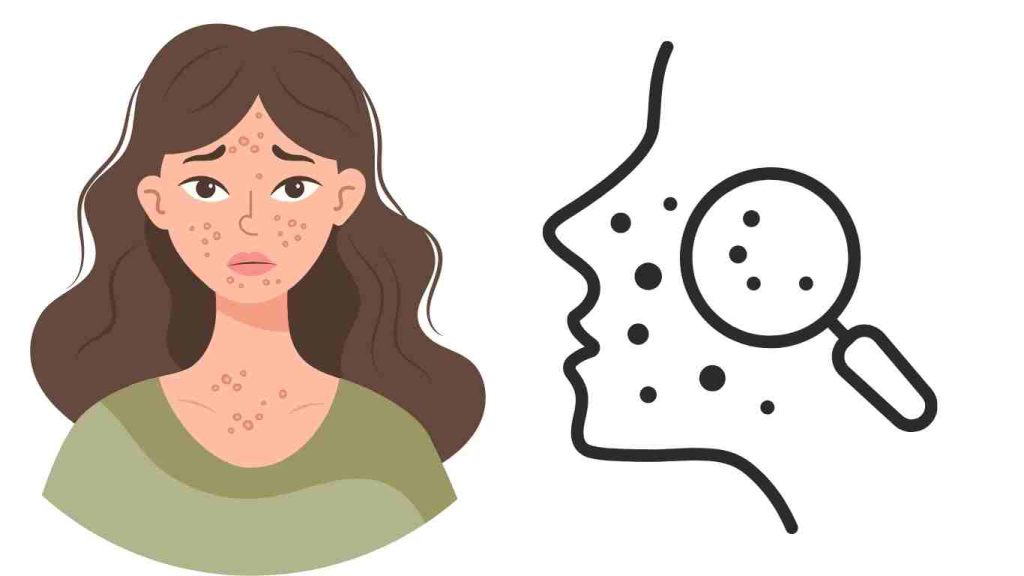
Pimples and acne are common skin problems that can cause frustration and lower confidence. If you’re wondering how to remove pimples naturally at home without harsh chemicals, you’re not alone. Millions of people seek gentle, affordable home remedies for pimples and natural acne treatments to clear their skin. In this guide, we’ll share ten proven methods—using ingredients like tea tree oil, aloe vera, honey, and green tea—to help shrink breakouts and soothe inflammation. These pimple removal tips are easy to try with ingredients from your kitchen or local store. You’ll learn how each remedy works and how to use it safely.
Woman applying aloe vera gel as a natural home remedy for pimples
Applying soothing aloe vera gel or a homemade face mask can help reduce redness and swelling from pimples (natural home remedy for acne).
Natural ingredients often have antibacterial and anti-inflammatory properties that target the bacteria and irritation behind acne. For example, tea tree oil fights acne-causing germs, while soothing agents like aloe and honey can calm red, swollen spots. Using natural remedies can also reduce the risk of side effects like excessive dryness or irritation that some medications cause.
Below we explain each remedy and give step-by-step pimple removal tips for best results. Remember, even natural treatments take time; they may not clear severe acne overnight. But with patience, proper use, and consistency, these methods can help improve your skin health and prevent new breakouts. Let’s explore the home remedies for pimples you can try today:
10 Easy & Effective Natural Remedies to Remove Pimples Naturally at Home

1. Tea Tree Oil
Tea tree oil is a powerful natural antibacterial and anti-inflammatory. It can help kill Propionibacterium acnes (the bacteria that causes pimples) and reduce redness. Research shows a 5% tea tree gel can be as effective as benzoyl peroxide in reducing acne, often with milder side effects. To use tea tree oil safely:
– Dilute it. Never apply pure tea tree oil directly. Mix 1 drop of tea tree oil with 1 teaspoon of a gentle carrier (like coconut or jojoba oil).
– Spot-treat pimples. Dip a clean cotton swab into the diluted tea tree oil and dab it on each pimple once or twice a day.
– Leave on overnight. The oil works while you sleep. In the morning, wash your face gently.
– Be patient. It may take several days of treatment to see a change in a stubborn spot.
This essential oil can sting sensitive skin, so always do a patch test on your forearm first. If irritation occurs, stop use. Otherwise, tea tree oil can be a fast natural acne treatment for shrinking pimples without making your skin flaky.
2. Aloe Vera Gel
Aloe vera is a soothing plant gel known for healing burns and wounds. It’s also an excellent home remedy for pimples. Aloe contains compounds (like salicylic acid and sulfur) that are anti-inflammatory and antibacterial. It can help reduce swelling and redness while gently hydrating the skin. To use aloe:
– Cut a fresh aloe leaf or use 100% pure aloe vera gel from the store.
– Apply gel directly. Smear a thin layer of aloe gel onto clean skin over pimples and surrounding areas.
– Use daily. You can leave aloe on your skin as a moisturizer; it won’t clog pores. Some people apply it over acne treatment creams to soothe irritation.
– Combine with other treatments. Studies found aloe + acne gel cleared acne better than acne gel alone. You might apply acne medication first, then aloe, to boost healing.
Aloe vera is gentle enough for nightly use. Over time, it can help calm inflamed lesions and promote skin repair. Incorporating aloe vera gel into your routine gives relief and may improve skin texture as pimples heal.
3. Honey and Cinnamon Mask
Honey is naturally antibacterial and can help fight acne-causing germs. Cinnamon also has antimicrobial properties. Together they make an effective DIY face mask:
– Mix the mask. Combine 1 tablespoon of raw honey with ½ teaspoon of cinnamon powder until you have a smooth paste.
– Apply to pimples. Spread the mixture on clean, dry skin, focusing on spots and pimples. You can apply to the whole face if mild, or as a spot treatment.
– Leave 10–15 minutes. Let the mask dry on your skin (it will tighten as it sets).
– Rinse well. Wash off gently with warm water and pat your face dry.
Honey’s stickiness helps keep the mask on skin, while its antioxidants and enzymes work on the zit. Cinnamon boosts honey’s germ-fighting action. Use this mask 1–2 times a week. It can help reduce bacteria and may shorten the life of a pimple. Note that cinnamon can sting tender skin, so skip this mask if you have very sensitive skin or open sores.
4. Apple Cider Vinegar (Diluted)
Apple cider vinegar (ACV) is a popular natural pimple remedy, but it’s very acidic and can burn the skin if used undiluted. It has mild antibacterial properties, but use caution:
– Dilute ACV. Mix one part raw, unfiltered apple cider vinegar with three to four parts water. For sensitive skin, use more water.
– Apply carefully. Using a cotton ball, dab the diluted vinegar on clean skin over pimples. Do not rub vigorously.
– Quick contact. Leave the ACV on for 5–10 minutes, then rinse thoroughly with lukewarm water. Do not leave ACV on the skin overnight.
– Moisturize. Because vinegar is drying, follow up with a gentle, oil-free moisturizer.
ACV may help restore your skin’s natural pH and has acetic acid that can lightly disinfect pores. However, it is not proven to cure acne, and many dermatologists warn it can irritate. If you try it, use it sparingly and always dilute. Test a small area first. If you get any stinging or redness, wash it off immediately.
5. Ice Compress
Need quick relief from a swollen pimple? A cold compress can help reduce inflammation overnight. Ice is one of the simplest pimple removal tips for immediate swelling reduction:
– Wrap ice in cloth. Don’t place ice directly on skin. Wrap one or two ice cubes (or a bag of frozen vegetables) in a thin towel.
– Apply for minutes. Hold the ice pack against the pimple for about 1–2 minutes, then remove. Let your skin rest for 15–30 minutes, then reapply if needed. Repeat this cycle for up to 5 minutes total.
– Repeat daily. Do this a few times a day to calm the redness and make the pimple shrink.
Ice constricts blood vessels, which can flatten a raised pimple and reduce redness by morning. It won’t cure acne completely, but it’s very effective for a sudden breakout or a painful cyst. You can also use a frozen spoon from the fridge for targeted pressure.
6. Green Tea
Green tea is loaded with antioxidants called catechins, which can fight inflammation and reduce acne when applied to the skin. You can use green tea two ways:
– Topical application: Brew a strong cup of green tea and let it cool. Soak a cotton pad in the cooled tea and apply it to your face, or pour the tea into a spray bottle. Spritz it on or dab it over pimples. Leave the tea on your skin for 10–15 minutes or overnight, then rinse off.
– Drinking green tea: Stay hydrated by drinking unsweetened green tea daily. The antioxidants help reduce overall inflammation and may improve skin health from the inside.
Studies show that green tea extract applied to skin can significantly lower oil production and shrink pimples. The polyphenols in green tea inhibit acne-causing bacteria. It’s a gentle remedy: you can use it twice a day. Keep leftover brewed tea in the fridge and use it for up to 1–2 weeks.
7. Turmeric Paste
Turmeric has long been used in skincare for its anti-inflammatory and antibacterial effects. Curcumin, the active compound, can help calm red pimples and promote healing. To make a turmeric acne mask:
– Mix a paste. Combine 1 teaspoon of turmeric powder with a little honey or yogurt to make a thick paste. Honey adds moisture and extra germ-fighting power.
– Apply spot treatment. Smear the paste on each pimple or spread a thin layer on your face, avoiding the eyes and mouth.
– Leave 10–15 minutes. Turmeric will stain skin bright yellow, so let it dry (you can leave it overnight if staining isn’t an issue).
– Rinse clean. Wash off the paste with warm water and a gentle cleanser.
Turmeric can help reduce swelling in pimples and may fade dark spots over time. It’s also generally safe if you’re not allergic to it. If it stains your skin, it will wash off in a day or two. Use this mask 1–3 times a week. Even though it can be messy, many find it worthwhile for its soothing effects on inflammation.
8. Oatmeal Face Mask
Oatmeal is soothing and slightly exfoliating, making it great for calming angry skin. It can absorb oil and reduce redness. To make an oatmeal mask:
– Cook plain oats. Mix 2 tablespoons of uncooked oats with a little water or milk and microwave for 20–30 seconds to soften. Let it cool.
– Apply to skin. Spread the oatmeal paste on your face or just on pimples. You can add 1 teaspoon of honey or a few drops of tea tree oil for extra benefit.
– Let it set. Leave the mask on for about 10–15 minutes. You can even gently massage it into your skin in circular motions to exfoliate.
– Rinse off. Wash with lukewarm water and pat your face dry.
Oatmeal’s natural anti-inflammatory properties help calm red bumps. It’s very gentle, so even sensitive skin types can use it. Use once or twice a week. The physical texture of oats helps remove dead skin cells and unclog pores. Over time, this can prevent new pimples from forming by keeping your skin clean and soothed.
9. Witch Hazel Toner
Witch hazel is an herb known for its astringent and anti-inflammatory effects. It acts like a natural toner:
– Choose pure witch hazel. Look for unfiltered, alcohol-free witch hazel (Hamamelis virginiana) extract. This ensures it won’t overdry your skin.
– Apply with cotton. After cleansing, moisten a cotton pad with witch hazel and gently wipe it over your face, focusing on oily areas and pimples.
– Use daily. You can apply witch hazel toner once or twice a day. It tightens pores and reduces excess oil, which helps prevent breakouts.
Witch hazel contains tannins that kill bacteria and soothe redness. Many people use it between washes to keep skin clear. If your skin feels dry, use it less often. It’s a simple, quick remedy: no need to rinse it off. Over time, regularly toning with witch hazel can make skin less oily and keep small pimples from flaring up.
10. Plain Yogurt or Probiotic Mask
Lactic acid in yogurt gently exfoliates, and probiotics can balance skin bacteria. For a quick yogurt mask:
– Use plain, unsweetened yogurt. Greek or regular, any with live cultures works.
– Apply on face. Spread 1–2 tablespoons of yogurt over clean skin. You may spot-treat or cover your whole face if tolerable.
– Add extras (optional). For extra benefit, mix in a bit of turmeric or honey. Avoid flavors or fruit yogurt—stick to plain.
– Leave 10–15 minutes, then rinse. Let the yogurt sit so it can dry, then wash it off with warm water. Pat your skin dry afterward.
Yogurt’s milk proteins can calm irritated skin. The gentle acid helps remove dead cells from the pore surface, which can reduce clogging. It’s very gentle, so safe for regular use (even daily if you like). This mask leaves skin feeling soft and may reduce acne over time by maintaining a healthy skin barrier. Drinking probiotic-rich yogurt or taking a supplement can also help gut health, which indirectly may improve skin.
Additional Pimple Prevention Tips
Besides remedies, good skin habits and lifestyle help prevent new pimples. These pimple removal tips are easy ways to support clear skin:
- Wash face regularly. Gently cleanse your face twice a day (morning and night) with a mild soap or cleanser. This removes excess oil, dirt, and makeup that can clog pores.
- Avoid harsh scrubbing. Use lukewarm water and pat dry. Over-scrubbing or hot water can irritate skin and worsen acne.
- Don’t pop pimples. Squeezing or popping spots pushes bacteria deeper, causing more inflammation or scarring. Let acne heal naturally.
- Use non-comedogenic products. Choose cleansers, moisturizers, and makeup labeled “oil-free” or “non-comedogenic” (won’t block pores).
- Moisturize daily. Even oily skin needs hydration. A light, oil-free moisturizer keeps skin balanced and prevents excess oil production.
- Keep hands and phones clean. Your hands and phone screen carry oils and bacteria. Avoid resting your face on your hands and clean your phone regularly to reduce acne risk.
- Change pillowcases often. Oils from your hair and skin collect on sheets. Changing pillowcases every couple of days prevents those oils from transferring back to your face.
- Maintain a healthy diet. Drink plenty of water and eat fruits, vegetables, whole grains, and lean proteins. Some people find reducing dairy and sugar helps acne, though results vary.
- Manage stress. Stress can trigger hormone changes that make acne worse. Relaxation techniques like deep breathing, yoga, or light exercise can improve skin by reducing stress hormones.
- Get enough sleep. Aim for 7–8 hours of sleep per night. Sleep helps your body heal, so blemishes may clear up faster with good rest.
Call to Action: By following the above natural remedies and tips, you’ll know how to remove pimples naturally at home with minimal cost and side effects. Share this guide with friends on social media and leave a comment below to let us know which remedy worked best for you!
FAQs
Q: How can I get rid of pimples overnight naturally?
A: While no method can guarantee an overnight cure, some natural tips can shrink a pimple fast. For example, apply ice to a red bump for a few minutes to reduce swelling. Dab a drop of diluted tea tree oil or a small amount of crushed aspirin paste (mix aspirin with water) onto the zit and leave it on overnight. These can decrease redness by morning, but most pimples take a few days to fully heal.
Q: What are effective home remedies for pimples?
A: Some of the best natural acne treatments include tea tree oil, aloe vera gel, raw honey, diluted apple cider vinegar, and green tea. For instance, using a diluted tea tree oil spot treatment or applying a mask of honey and cinnamon once a week can kill acne bacteria. Gentle masks like oatmeal or yogurt can also soothe skin. Consistency is key—apply these remedies regularly (e.g., daily or weekly as directed) for the best results.
Q: Which natural remedy is best for acne on the face?
A: The “best” remedy can vary by person, but tea tree oil is often recommended for its strong antibacterial action. Aloe vera is excellent for calming inflamed skin and helping healing. Many people use a combination: for example, spot-treat pimples with tea tree oil and apply aloe vera over the whole face as a moisturizer. Experiment to see which ingredient your skin responds to without irritation.
Q: Can diet and lifestyle changes help clear acne?
A: Yes. Drinking plenty of water and eating a balanced diet rich in fruits, veggies, and whole grains supports skin health. Reducing high-sugar foods and processed dairy may help some people. Also, get regular exercise (to increase circulation and reduce stress) and ensure adequate sleep. These pimple removal tips work alongside topical remedies: a healthy lifestyle often leads to clearer skin.
Q: When should I see a doctor for my pimples?
A: Try natural remedies for mild to moderate acne first. But if pimples are severe, painful, or cystic (deep under the skin), or if you notice scarring or infection (lots of pus, warmth, or fever), consult a healthcare provider. A dermatologist can prescribe stronger treatments. Also see a doctor if acne isn’t improving after several weeks of home care, as it may require medical treatment.
For more inspiring natural-healing stories, check out the Miracle Gel for Joint Pain Relief – A Doctor’s Inspiring Story on CureBoost. It shows how a simple, natural treatment transformed a doctor’s life – reminding us that gentle, home-based solutions can make a big difference.
By using these natural acne treatments and home remedies for pimples, you can learn exactly how to remove pimples naturally at home. Be patient, stay consistent with your routine, and your skin will thank you. If you found this guide helpful, please share it and leave your tips or questions below!



1 thought on “How to Remove Pimples Naturally at Home: 10 Easy & Effective Remedies”