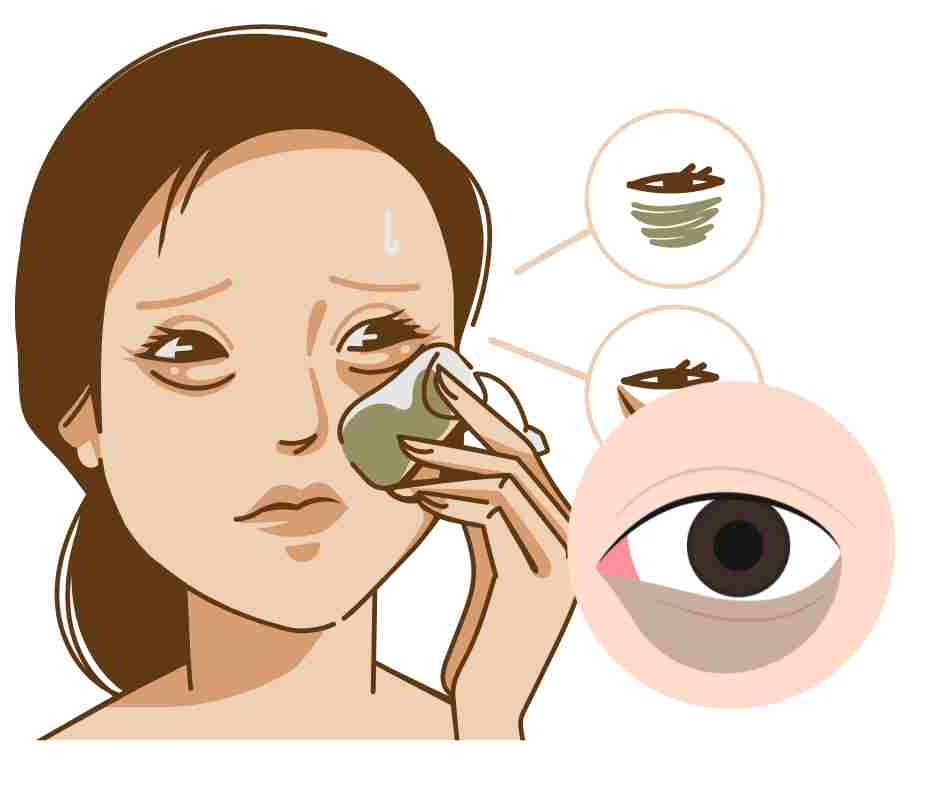
Dark circles under the eyes are a common concern—especially if late nights, stress or genetics come into play. These dark shadows (often a blue, brown or purple hue) occur when blood vessels show through thin skin or when pigment builds up beneath the eyes. Factors like aging, family history, allergies or fatigue can all contribute to those under-eye rings. For example, the Cleveland Clinic notes that as skin thins with age or lack of sleep, blood vessels become more visible, deepening dark circles.
Fortunately, many natural remedies for dark circles under eyes aim to improve circulation, hydrate skin and gently lighten pigmentation – all without harsh chemicals. In this guide, we’ll dive into 7 effective home treatments that can visibly brighten the under-eye area. You’ll also get tips on lifestyle changes, how to use each remedy, and answers to common questions. Read on to learn how simple ingredients like cucumber, tea or almond oil might revive tired-looking eyes.
Common Causes of Dark Under-Eye Circles
Before jumping into cures, it helps to know what causes them. Dark circles often arise from:
- Thin skin & visible veins. The under-eye skin is delicate. Aging or genetic factors can make it very thin, so blood vessels show through as dark blue shadows.
- Lack of sleep or fatigue. Sleeplessness makes your skin paler, which makes dark veins stand out more. Sitting up with extra pillows to prevent fluid pooling can help puffiness, per Mayo Clinic advice.
- Dehydration and diet. Not drinking enough water or eating too much salt can dull the complexion and cause fluid retention, worsening circles. (Aim for fresh water and a balanced diet.)
- Allergies and irritation. Nasal congestion or rubbing itchy eyes (for example with hay fever or eczema) can cause blood to pool under the eyes, creating shadows.
- Lifestyle factors. Smoking, excess alcohol, long hours in front of screens or chronic stress can age skin and hamper circulation, making circles more pronounced.
- Sun exposure. Too much UV can trigger melanin production; over time this can darken skin under eyes. Dermatologists recommend broad-spectrum SPF and sunglasses to protect your face.
Tip: Getting at least 7–8 hours of quality sleep, staying hydrated, and reducing screen time can help prevent new dark circles from forming.
With causes in mind, let’s explore 7 natural remedies — each backed by experts — that may help lighten dark circles effectively when used regularly.

Cold Compress Natural Remedies for Dark Circles Under Eyes
Applying cold to the under-eye area is one of the simplest and quickest ways to reduce dark circles and puffiness. Cold constricts blood vessels and helps prevent fluid from pooling. For example, Cleveland Clinic suggests using cold spoons or ice wrapped in a cloth under the eyes: this shrinks dilated capillaries and instantly eases swelling. Mayo Clinic likewise notes that a cold, wet cloth or refrigerated gel mask on the eyes can make visible veins appear smaller and reduce dark tones.
How to use a cold compress:
– Ice packs or cloth. Wrap a few ice cubes in a clean washcloth (or use a gel eye mask) and press gently on the closed eyes for 5–10 minutes. Avoid holding ice directly on the skin, which can cause irritation.
– Cold spoons. Chill two metal spoons in the fridge for a few minutes. Once cold, place the back of the spoons on your under-eye area for 3–5 minutes.
– Chilled tea bags or cool cucumber. (We’ll discuss tea bags and cucumber slices below – both can be cooled and applied similarly.)
Using a cold compress daily, especially first thing in the morning, can temporarily flatten puffiness and make the under-eye area look firmer and brighter. It’s a great quick fix before makeup, and as part of a nightly routine it soothes tired eyes.
Cucumber Slices Natural Remedies for Dark Circles Under Eyes
Cucumber slices on the eyes can cool and hydrate the under-eye skin, helping to reduce dark circles. For centuries, cucumber has been a go-to remedy in spas and skincare. It’s mostly water and contains vitamin C, which can soothe skin and slightly lighten pigmentation. Studies suggest chilled cucumber slices help by hydrating the area and reducing puffiness.The antioxidants and mild astringent properties in cucumber soothe skin irritation and may improve blood flow.
How to use cucumber:
– Slice and chill. Cut a fresh cucumber into thick rounds and refrigerate for 30 minutes.
– Apply under eyes. Lie back and place one slice over each closed eye, covering the dark area. Relax and leave on for 10–15 minutes.
– Rinse. Wash your face with cool water and pat dry.
Repeat this morning and evening. Health experts say the cool, hydrating effect helps tighten vessels and refresh the skin. Over time, many people notice their under-eyes looking brighter. Cucumber is very safe for sensitive skin, making it an easy staple for reducing dark under-eye circles naturally.
Tea Bags
Tea is rich in caffeine and antioxidants, both of which can perk up tired eyes. Used tea bags (especially black or green tea) are a well-known home remedy. The caffeine in tea constricts blood vessels, reducing the darkness, while the antioxidants and tannins fight inflammation. For instance, Cleveland Clinic notes that cold tea bags help improve circulation under the eyes thanks to caffeine and antioxidants. Similarly, dermatologists explain that tea’s tannins act as a natural astringent, reducing swelling and redness.
How to use tea bags:
– Brew and chill. Soak two tea bags (green or black tea) in warm water for 3–5 minutes. Then squeeze out excess and chill the bags in the fridge for 20–30 minutes.
– Place under eyes. Lie down with eyes closed and place one cool tea bag on each eye. Leave on for 10–15 minutes.
– Rinse. Remove the tea bags and gently rinse the eye area with cold water. Pat dry.
Use this remedy once or twice daily. Many find that besides relieving dark circles, it helps wake up and refresh the eyes in the morning. (Make sure the tea isn’t too hot, and always let it cool before applying to avoid skin injury.) Regular use can help diminish puffiness and make the under-eye tone look more even.
Almond Oil and Vitamin E

Natural oils are often used to hydrate delicate under-eye skin. In particular, sweet almond oil (rich in vitamin K) and vitamin E oil are celebrated for their skin-repairing properties. Vitamin K can lighten dark pigments, and vitamin E is a powerful antioxidant that helps skin heal. A common recommendation is to mix them for a nourishing night treatment.
Dermatology experts note that almond oil contains vitamin K and works as an emollient to keep the under-eye area soft, which over time may help fade dark spots. Although rigorous clinical studies are limited, natural-health sources suggest the combination can improve under-eye tone if used consistently.
How to use almond oil & vitamin E:
– Mix oils. In a clean container, combine equal parts cold-pressed sweet almond oil and a non-greasy carrier (like coconut or olive oil). Add a few drops of vitamin E oil if available.
– Apply gently. Before bed, use your ring finger to lightly massage a small drop of the mixture into the under-eye skin. Don’t tug; use gentle circular motions.
– Leave overnight. Allow the oils to absorb while you sleep. In the morning, wash your face as usual.
Repeat nightly. Over weeks, this nourishing routine can help moisturize thin under-eye skin and support its natural repair. Some people notice their dark circles fade as the skin barrier strengthens. (Always do a patch test first to check for irritation, as sensitive skin can react to oils.)
Tomato and Lemon Juice
Tomatoes and lemon are touted for their natural bleaching and antioxidant qualities. Tomatoes contain lycopene and other antioxidants that may lighten pigment, while lemon juice is a mild natural bleach. The Dermatology Center of Houston highlights lemon juice as a “bleaching agent” that can reduce darkness. Many DIY recipes combine tomato or lemon (or both) to exploit this effect.
How to use tomato and lemon:
– Basic tomato purée. Puree a small ripe tomato and apply a thin layer under the eyes. (You can do this alone if lemon juice is too harsh for your skin.)
– Tomato & lemon mix. In a bowl, mix 1 teaspoon of fresh tomato purée with ½ teaspoon of lemon juice. (Add a pinch of turmeric if you like for extra anti-inflammatory benefit.)
– Apply carefully. Using a cotton swab, gently dab the mixture onto the dark areas beneath the eyes. Avoid getting any in the eyes – lemon can sting.
– Leave on briefly. Let it sit for 10 minutes (no longer than 15), then rinse off with cool water.
– Frequency. Use this 1–2 times per week only, since lemon is acidic and can irritate delicate skin if overused.
With consistent use, the antioxidants in tomato and the mild bleaching effect of lemon can help fade pigmentation. Just be cautious – if your skin feels stinging or redness, dilute the lemon or use tomato alone.
Potato Slices or Juice
Raw potato is another home remedy for under-eye circles, thanks to its high starch and enzyme content. Potatoes have mild bleaching properties and anti-inflammatory enzymes that soothe puffiness. The starch in potato juice can calm swollen blood vessels and lighten dark skin.
How to use potato:
– Potato slices. Peel a clean, raw potato and cut it into thick slices. Lie down and rub the slices gently around each eye (they’ll feel cold). Leave the slices on your closed eyes for 10–15 minutes, then rinse.
– Potato juice. Grate or blend a raw potato and squeeze out the juice. Soak cotton pads in the juice and place them on your eyes for 10–15 minutes, then rinse.
Repeat daily. Many people find potato juice feels soothing and fresh. Because of its natural enzymes, regular application (about 1–2 times daily) may help the under-eye skin look visibly lighter and reduce puffiness.
Aloe Vera Gel
Aloe vera is famous for its soothing, hydrating properties. Pure aloe gel is gentle enough for sensitive eye skin and contains vitamins C and E, which help repair skin damage. It also improves skin elasticity – helping your under-eye area look firmer.
According to lifestyle sources, massaging a bit of pure aloe gel under the eyes can reduce inflammation and moisturize the area. Many find aloe particularly useful for dark circles caused by dryness or stress, as it brings cooling relief.
How to use aloe vera gel:
– Apply gel. Using a clean fingertip, gently apply a small drop of pure aloe vera gel under each eye (you can use store-bought pure gel or fresh gel from an aloe leaf).
– Massage lightly. Use gentle upward strokes to massage it in.
– Leave on. You can let the gel absorb for 10–15 minutes and then rinse, or simply leave it on overnight as a light moisturizer.
Use aloe vera daily or nightly. Its hydrating effect can plump up the skin slightly, making dark circles less noticeable over time. Since aloe is natural and cooling, it’s a soothing step to end your skincare routine and can complement the other remedies.
Miracle Gel for Joint Pain Relief – A Doctor’s Inspiring Story
Conclusion
Dark circles under eyes can be stubborn, but combining good habits with these natural remedies often brings real improvement. Key lifestyle changes—like getting enough sleep, staying hydrated and eating a nutritious diet—support all treatments. By consistently using these home cures (cold compresses, cucumber slices, tea bags, almond oil, potato, tomato/lemon mix, and aloe vera), you help boost circulation, nourish the skin and gently fade pigmentation.
Remember, results take time. Give each remedy at least a few weeks of regular use to see the difference. As Cleveland Clinic advises, home remedies won’t work overnight, but they can gradually lighten under-eye shadows.
Try out a combination of these methods to see what suits your skin best, and stick with the one (or two) that gives you the most benefit. If natural options aren’t enough, consult a dermatologist for targeted treatments.
For now, enjoy the self-care ritual and patience – soon you could look in the mirror and notice your under-eye area looking brighter and more refreshed.
Which remedy are you going to try first? Share your results or favorite tips in the comments below. And if you found these tips helpful, feel free to share this article on social media to spread brighter eyes all around!
Frequently Asked Questions
Q: What causes dark circles under eyes?
A: Several factors can contribute. According to experts, thin under-eye skin (which shows blood vessels), family genetics, aging (loss of collagen/fat), allergies, eye rubbing, lack of sleep and even dehydration are common causes. Each of these makes the under-eye area appear darker or more hollow.
Q: Do cucumbers and tea bags really help?
A: Yes, they can help temporarily. Cucumber slices hydrate and cool the skin (their antioxidants soothe irritation). Cold tea bags contain caffeine and tannins that constrict vessels and reduce swelling. These effects make the area look less puffy and dark for a few hours after use. Over time, regular use may improve appearance, though they’re most effective for reducing puffiness and giving instant refreshment.
Q: How long until I see results?
A: Natural remedies usually require consistent use over several weeks to notice a real change. Some people see subtle improvement in skin tone after 2–4 weeks of nightly use. Remedies like cold compress or tea bags work almost immediately on puffiness, but long-term lightening of pigmentation takes patience. Stick with your chosen remedy for at least a month while maintaining good sleep and diet habits.
Q: Can I apply these remedies every day?
A: Many can be used daily. Cold compresses, cucumber and aloe vera are safe for daily use, even twice a day. Tea bags are fine daily as well. For acidic remedies like lemon, use sparingly (1–2 times a week max) because they can irritate delicate skin. Always do a patch test first if your skin is sensitive.
Q: Should I see a doctor for dark circles?
A: If your dark circles suddenly worsen or are only under one eye, or if home care doesn’t help after a few months, consult a dermatologist. Persistent dark circles could signal an underlying condition (like allergies or skin issues) that a doctor can diagnose. For most people, however, they’re a cosmetic issue, and the above remedies plus good sleep can make a big difference.
Q: Are creams better than home remedies?
A: Special eye creams contain ingredients like retinol, vitamin C, caffeine or kojic acid that may speed up results. However, many of the home remedies listed (like caffeine from tea and vitamin-rich aloe) mimic these effects naturally. Creams can be effective, but high-quality natural remedies and a healthy lifestyle often achieve meaningful improvement without the cost.
Q: Any other tips to reduce dark circles?
A: Alongside remedies, wear sunscreen daily (sunglasses help too), avoid long periods of alcohol or smoking, manage allergies, and keep your head elevated at night. Incorporating vitamin C and K rich foods (like leafy greens) in your diet can support skin health. All these strategies combined with the above remedies can help you gradually reduce those under-eye circles.
Sources: Information is adapted from health experts and medical sources including the Cleveland Clinic, Mayo Clinic, Healthline, and dermatology resources. Each remedy is explained based on expert advice and studies on skin care.